

Bands & artists like Pierre-Laurent Aimard
If you like Pierre-Laurent Aimard, these artists play in similar sounds, ideas, or styles. Use this as a starting point to branch out and find something new to listen to.
New to Pierre-Laurent Aimard? Start with our listening guide.
Artists to try next

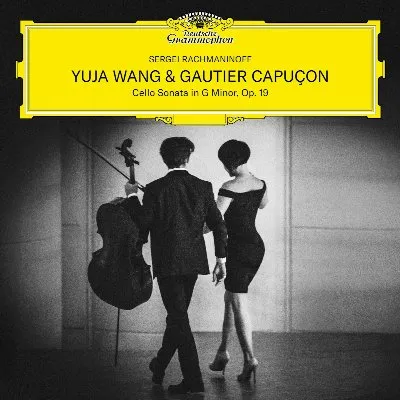
Yuja Wang
Wang's virtuosic piano technique and expressive interpretations create a similar tension and release, often exploring subtle dynamics.

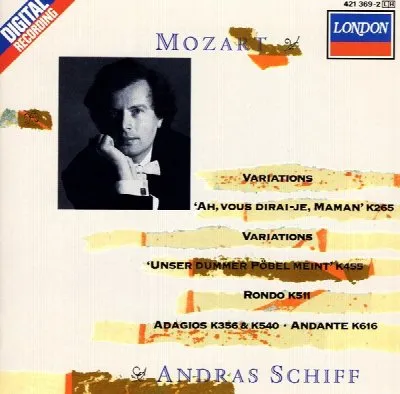
András Schiff
GuideSchiff is known for his interpretative insight and dynamic control, offering a rich interplay of sound that resonates with Aimard's style.

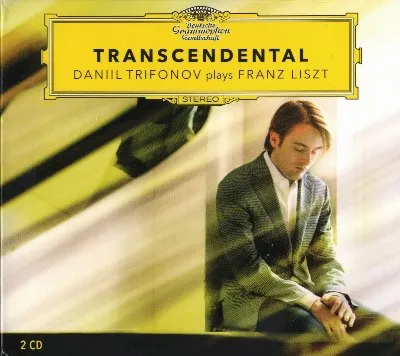
Daniil Trifonov
Trifonov's innovative interpretations and emotional expressiveness align well with the intricate dynamics found in Aimard's music.

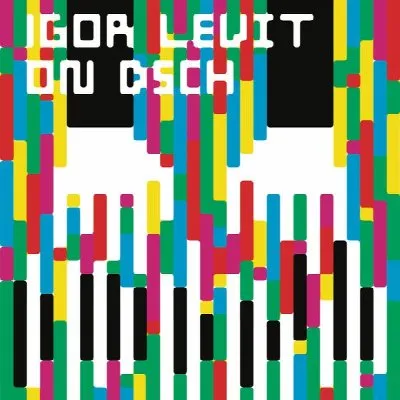
Igor Levit
GuideLevit’s performances are characterized by their introspective quality and dynamic range, echoing the subtleties present in Aimard’s work.

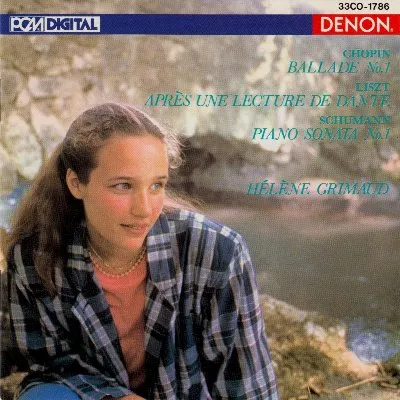
Hélène Grimaud
GuideGrimaud's blend of technical prowess and emotional depth mirrors the evocative interplay of resonance and stillness found in Aimard's music.

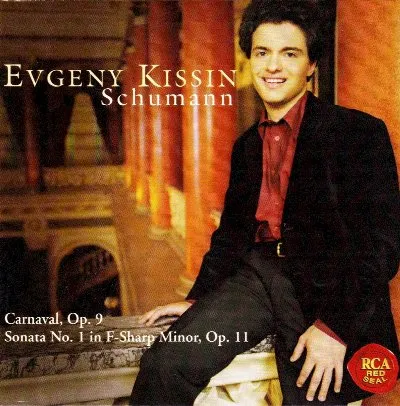
Evgeny Kissin
GuideKissin’s powerful yet sensitive playing style showcases a similar balance between intensity and introspection as seen in Aimard’s performances.

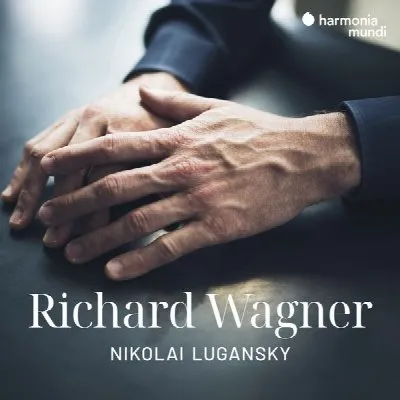
Nikolai Lugansky
GuideLugansky’s deep musicality and attention to detail create an evocative atmosphere that parallels the artistry of Pierre-Laurent Aimard.
Common questions
Who sounds like Pierre-Laurent Aimard?
Artists similar to Pierre-Laurent Aimard include Yuja Wang, András Schiff, Daniil Trifonov and Igor Levit. Each shares elements of Pierre-Laurent Aimard's sound while bringing their own perspective.
What genre is Pierre-Laurent Aimard?
Pierre-Laurent Aimard is primarily known for classical. Aimard’s performances strike a delicate balance between tension and release, employing subtle shifts in dynamics and tempo to create an evocative interplay of resonance and stillness.
Where should I start if I like Pierre-Laurent Aimard?
If you enjoy Pierre-Laurent Aimard, start with Yuja Wang — their album "Cello Sonata in G Minor, Op. 19" is a great entry point. Wang's virtuosic piano technique and expressive interpretations create a similar tension and release, often exploring subtle dynamics.