

Bands & artists like Yoko Ono
If you like Yoko Ono, these artists play in similar sounds, ideas, or styles. Use this as a starting point to branch out and find something new to listen to.
New to Yoko Ono? Start with our listening guide.
Still working through Yoko Ono? See which albums to start with.
Artists to try next

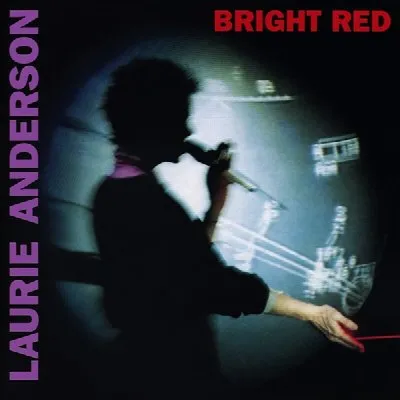
Laurie Anderson
GuideFor art-pop built from spoken vocals, electronics, performance-art ideas, and abrupt shifts between wit and unease.

Lydia Lunch
GuideHer confrontational vocals and raw no-wave arrangements match Ono’s more abrasive, emotionally exposed side.

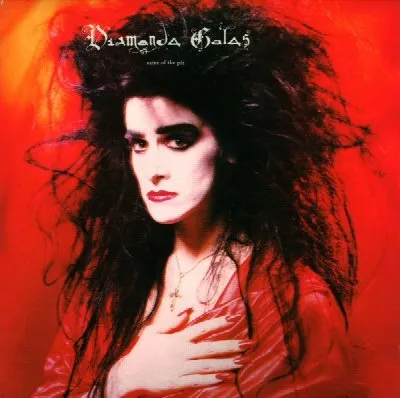
Diamanda Galás
GuideChoose her for fearless vocal extremes, avant-garde textures, and performances that turn tension into visceral drama.

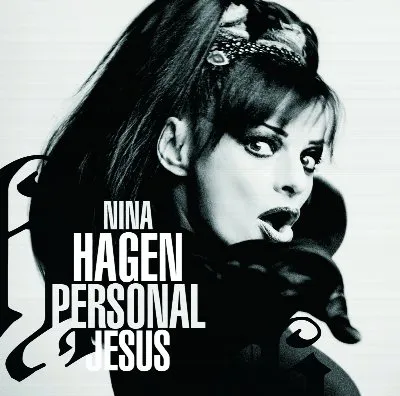
Nina Hagen
GuideHer theatrical, elastic singing cuts through punk, new wave, and electronic sounds with a similarly unpredictable edge.

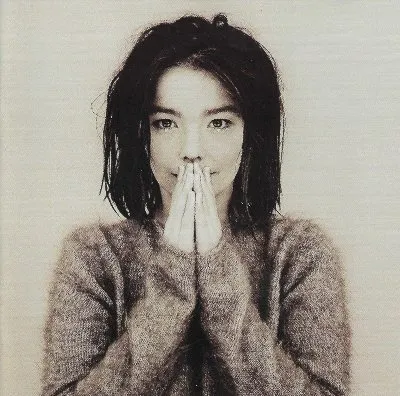
Björk
GuideHer adventurous electronic pop pairs intimate melodies with unusual vocal phrasing and sudden, forceful sound shifts.

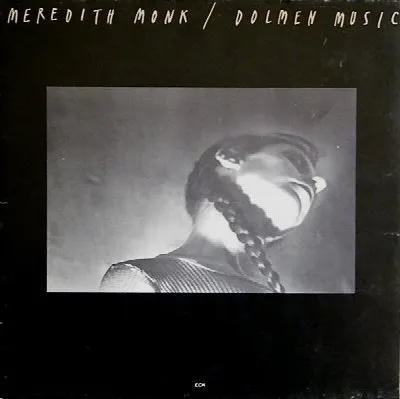
Meredith Monk
GuideHer exploratory voice work and use of silence, repetition, and nontraditional sounds will appeal to listeners drawn to Ono’s vocal experiments.

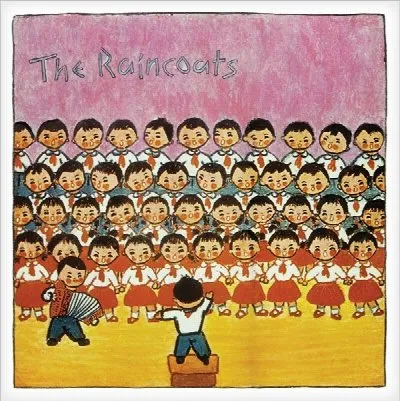
The Raincoats
GuideTheir loose, jagged post-punk mixes unconventional singing and restless guitar interplay in a similarly unpolished spirit.

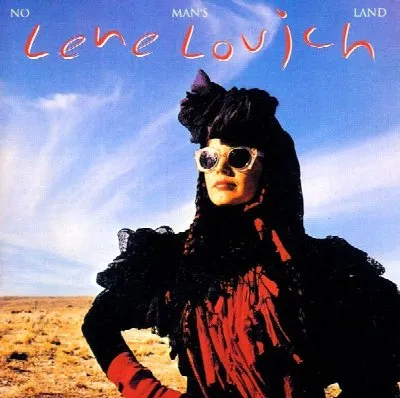
Lene Lovich
Her sharp, theatrical delivery and nervy new-wave electronics bring a playful, eccentric charge to art-pop.
Common questions
Who sounds like Yoko Ono?
Artists similar to Yoko Ono include Laurie Anderson, Lydia Lunch, Diamanda Galás and Nina Hagen. Each shares elements of Yoko Ono's sound while bringing their own perspective.
What genre is Yoko Ono?
Yoko Ono is primarily known for alternative rock, new wave and electronica. Ono’s music dances between chaotic bursts of noise and contemplative silences, creating tension that propels the listener through unexpected emotional landscapes.
Where should I start if I like Yoko Ono?
If you enjoy Yoko Ono, start with Laurie Anderson — their album "Bright Red" is a great entry point. For art-pop built from spoken vocals, electronics, performance-art ideas, and abrupt shifts between wit and unease.