

Post-punk in five albums
Post-punk is what happened when first-wave punk realized three chords weren't enough. Five albums across 1977-1980, each pulling the form in a different direction: rhythm, austerity, dub, and global polyrhythm.
genre_entry5 steps

Wire's Pink Flag — 21 songs in 35 minutes, most under two minutes long. Punk's tools used as an editing strategy. The path's clearest doorway.

Television's Marquee Moon kept post-punk's intellectual posture but reintroduced guitar interplay — Verlaine and Lloyd's twin leads predict everything from R.E.M. to The Strokes.
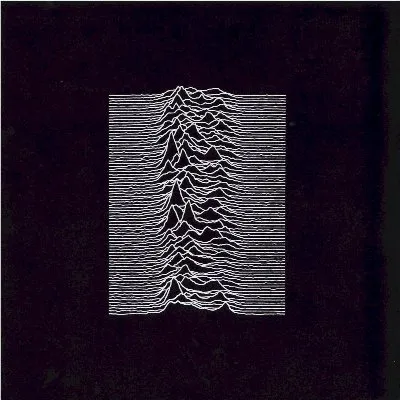
Joy Division's Unknown Pleasures defines one whole branch of post-punk: cold production, baritone vocals, basslines as lead melody. Every gothic band since is downstream.

Gang of Four's Entertainment! made post-punk dance — jagged guitars over funk rhythm sections, with lyrics that read like Marxist seminar transcripts. The angular template.

Talking Heads' Remain in Light closes the path by exploding it — Brian Eno producing, Afrobeat polyrhythms, the formal vocabulary cracked open into a whole new mode. Post-punk's last great document and pop's first global one.