

Where to start with jazz
A five-album path into jazz for someone who has been told to listen to it for years and never found the door. Ordered as a route: each record answers a question the last one raised.
genre_entry5 steps
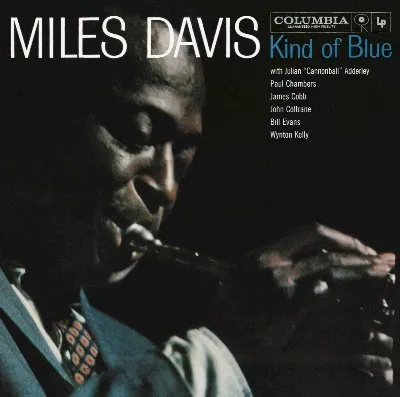
Kind of Blue is the most welcoming record in jazz and remains the correct starting point for the least romantic reason: Miles gave the band scales instead of chord changes, so nobody is showing off. Six musicians listening hard to each other, and you can hear every one of them.
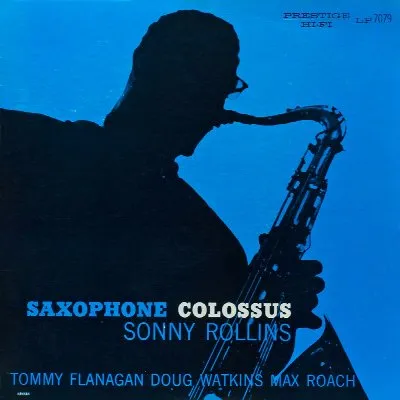
Kind of Blue is cool and still; Saxophone Colossus is the opposite and proves jazz can also just be enormous fun. St. Thomas is a Caribbean nursery tune turned into a workout, and Rollins plays like someone who finds the whole thing funny.
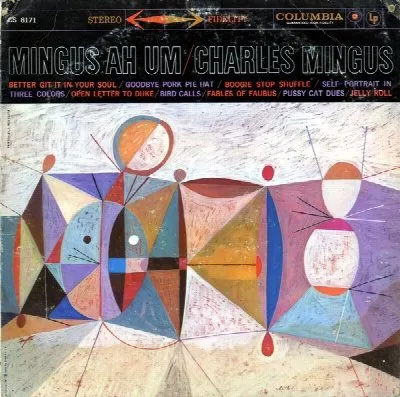
Mingus wrote rather than arranged, and Mingus Ah Um is where you stop hearing solos and start hearing composition. Goodbye Pork Pie Hat is an elegy for Lester Young and one of the most beautiful melodies of the century, by anyone, in any genre.
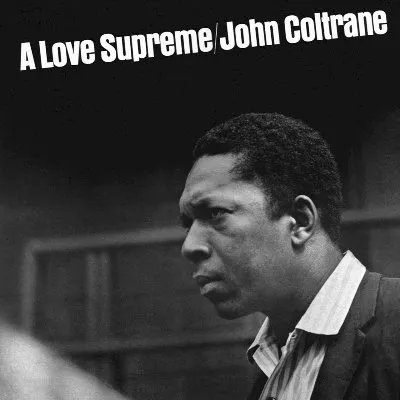
A Love Supreme is a four-part devotional suite and the record where jazz stops being entertainment. It asks more of you than the three before it and gives back more. If this one lands, the whole rest of the music is open to you.
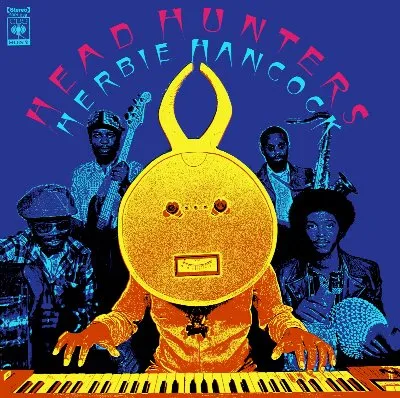
Head Hunters is Herbie Hancock plugging in, and it points directly at everything hip-hop and dance music later took from jazz. Chameleon's bassline has been sampled for fifty years. The exit back toward records you already own.