

Where to start with Tropicália
A five-album path into Tropicália — the late-1960s Brazilian movement that swallowed psychedelia, samba and the avant-garde whole, and got two of its leaders exiled for it.
genre_entry5 steps
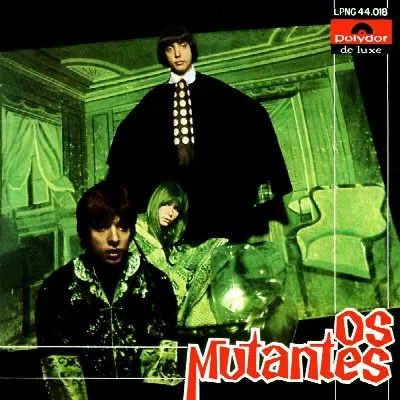
Os Mutantes were teenagers with a homemade fuzzbox, and their debut is the most immediately gripping record here — psychedelic rock sung in Portuguese with a sense of humour that survives not understanding a word. Start here and the rest makes sense.
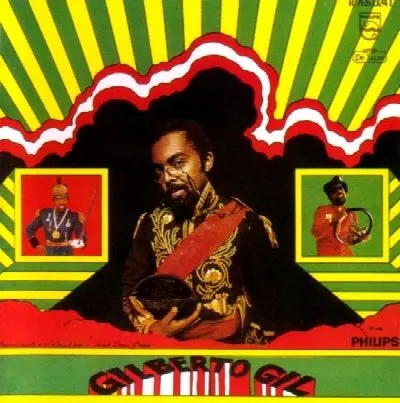
Gilberto Gil's 1968 album is Tropicália's clearest statement: northeastern Brazilian rhythms arranged by Rogério Duprat with full orchestral strangeness. Gil was the movement's best pure musician, and this is him before exile.
Caetano's 1969 album was recorded as the regime closed in, and you can hear it — the sweetness has an edge on it. He would be in London within the year. The pivot point of the whole story.
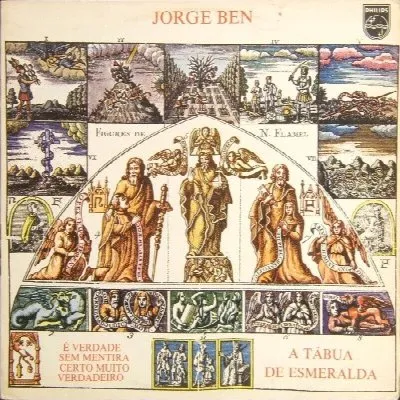
A Tábua de Esmeralda is Jorge Ben alone with a nylon-string guitar, alchemy texts and the most relaxed rhythmic sense in recorded music. Where the movement stops arguing and simply plays.
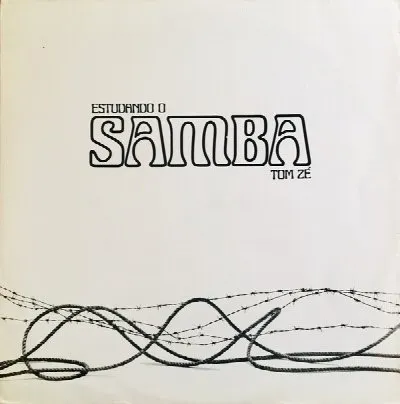
Tom Zé was Tropicália's strangest participant and Estudando o Samba is him taking samba apart to see how it works — loops, found sound, deliberate awkwardness. David Byrne reissued it in 1990 and introduced the whole movement to a second audience.