


Photo: Foto Estudio Luisita · Public domain
The Northsound field guide
Where to start with Atahualpa Yupanqui
Discover the pulse of Argentine folk music through Yupanqui's artistry.
Atahualpa Yupanqui's music is a profound reflection of Argentine culture and the human experience. His storytelling intertwines traditional folk melodies with socio-political narratives, providing a unique lens into rural life and indigenous struggles.
- What they sound like
- Yupanqui's sound blends intricate guitar work with poetic lyrics, creating an immersive folk experience. His music pulses with rhythmic intensity while telling stories of social conscience.
- You'll like this if
- You'll connect with this if you appreciate heartfelt storytelling in music or traditional folk sounds that convey deep cultural meanings.
01 · Your first stop
Start here.
New to Atahualpa Yupanqui? You don’t need to hear everything. Start with this.

Your first album
Una Voz y una Guitarra
·Best starting point
Showcases Atahualpa Yupanqui's core sound with guitar and vocal interplay, providing a cohesive and immersive listening experience.
02 · Track by track
Songs to start with
If you would rather start with a song than an album.
-
1
“Malambo”
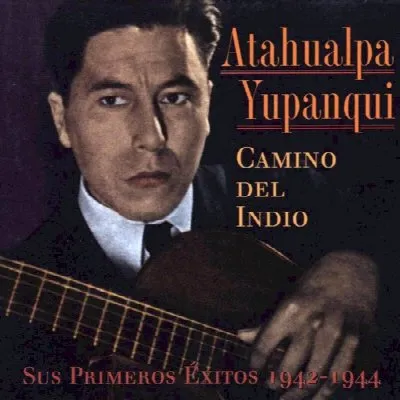
from Camino del Indio
Built around an Argentine dance tradition, this piece offers a rhythm-centered contrast to the album’s reflective songs.
-
2
“Le tengo rabia al silencio”
This song turns silence into an adversary, making the act of speaking out a subject as urgent as the hardship around it.
03 · The trail ahead
Listening paths
Pick a route through Atahualpa Yupanqui's catalog.
A grounding in Yupanqui's guitar, songs of place, and reflective storytelling.
-
1Una Voz y una Guitarra Start with the spare voice-and-guitar foundation.
-
2Camino del Indio Follow with a clear entry into his landscape-centered songs.
-
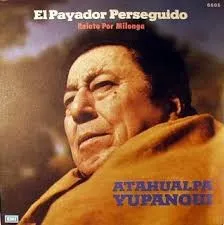
3El Payador perseguido (1964) Hear his payador tradition and storytelling at the center.
-
4El canto del viento (1980) Close with a later reflection on voice, place, and memory.
Begin with direct, intimate songs, then move toward more distinctive guitar work.

Explore alternate settings, instrumental focus, and the breadth of his recorded legacy.
-
1Atahualpa Yupanqui - Paco Ibañez Begin with a collaboration that changes the usual solo setting.
-
2Die Andengitarre (1977) Shift toward a guitar-centered presentation.
-
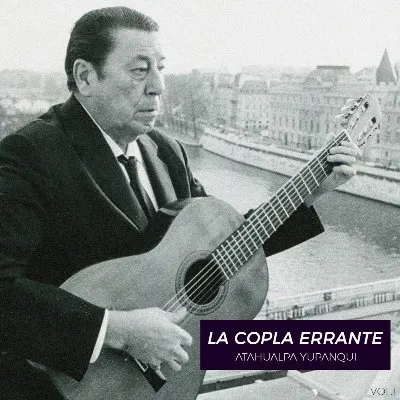
3La copla errante, vol. 1 (1992) Explore a later collection beyond the standard entry points.
-
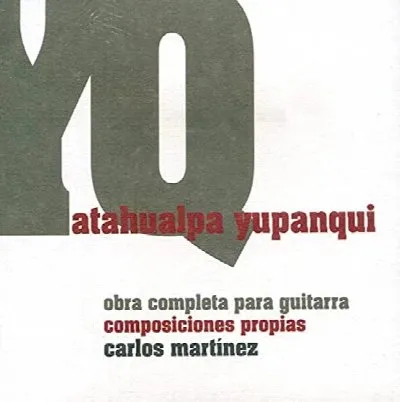
4Obra Completa para Guitarra: Composiciones Propias (2008) Finish with a focused survey of his own guitar compositions.
04 · Beyond this guide
Where to go next
-
Mercedes Sosa Her powerful voice and traditional folk arrangements evoke a similar emotional depth and cultural resonance found in Yupanqui's music. Start with Cantora 1 (2009)

-
Chavela Vargas Vargas' raw, emotive vocal style and her focus on traditional Mexican folk music create an immersive listening experience akin to Yupanqui's payadas. Start with Chavela at Carnegie Hall

-
Silvio Rodríguez Rodríguez combines poetic lyrics with intricate guitar work, creating a sound that resonates with the rhythmic intensity of Yupanqui's music. Start with Al final de este viaje (1978)

05 · Keep exploring
The Weekly Dispatch
Every Tuesday, a few more places to start listening.
One short email. Free, unsubscribe anytime. Read this week's.
Common questions
Where should I start with Atahualpa Yupanqui?
Start with Una Voz y una Guitarra. Showcases Atahualpa Yupanqui's core sound with guitar and vocal interplay, providing a cohesive and immersive listening experience.
Which Atahualpa Yupanqui songs should I hear first?
Start with "Malambo" from Camino del Indio and "Le tengo rabia al silencio" from ¡Soy Libre! ¡Soy Bueno!.
What does Atahualpa Yupanqui sound like?
Yupanqui's sound blends intricate guitar work with poetic lyrics, creating an immersive folk experience. His music pulses with rhythmic intensity while telling stories of social conscience. Rooted in traditional folk music and payada.
In what order should I listen to Atahualpa Yupanqui's albums?
In release order: "El Payador perseguido" (1964), "Y el dolor, ¿quién se lo paga?" (1968), "Preguntitas sobre Dios" (1969), "Basta ya" (1971), "Milonga triste" (1972), "La paloma enamorada" (1977), "Camino del indio" (1977), "Vidala del silencio" (1979), "Madre del monte" (1981) and "Quisiera tener un monte" (1981).
Which artists should I listen to after Atahualpa Yupanqui?
Try Mercedes Sosa (start with "Cantora 1"), Chavela Vargas (start with "Chavela at Carnegie Hall") and Silvio Rodríguez (start with "Al final de este viaje").