


Photo: Daniel Shen Taipei, Taiwan · CC BY-SA 2.0
The Northsound field guide
Where to start with Bud Shank
Navigating Bud Shank's extensive catalog can be daunting for new listeners. This guide offers a straightforward entry point with the album 'California Dreamin',' highlighting his smooth, flowing style. You'll discover how to explore his essential works and delve into the experimental side of his artistry.
01 · Your first stop
Start here.
New to Bud Shank? You don’t need to hear everything. Start with this.
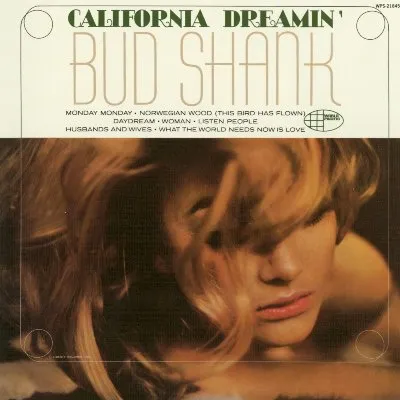
Your first album
California Dreamin'
1966 ·Best starting point
A smooth entry into Bud Shank's inviting jazz world.
Only have a few minutes?
“Michelle” from Michelle (2010)
Features an engaging melody that highlights Shank's signature sound, making it a strong standalone introduction to his music.
Good fit if you like
- steady mid-tempo afternoon vibes
- breezy sound for sunny days
- short tracks for quick enjoyment
- easy listening with nostalgic charm
Maybe skip if you
- seeking intense emotional depth
- prefer longer, immersive albums
02 · Track by track
Songs to start with
If you would rather start with a song than an album.
-
1
“Speak Low”
from Laurindo Almeida Quartet featuring Bud Shank (1955)
The Kurt Weill standard brings familiar American songbook material into the quartet’s intimate guitar-and-saxophone setting.
-
2
“Nature Boy”
from The Bud Shank Quartet (1956)
This track stands out for its haunting melody and the way Shank's flute interpretation transforms a classic standard into a lush, reflective experience.
-
3
“Illusao”
from Bossa Nova Jazz Samba (1962)
Characterized by its smooth flow and delicate instrumentation, this track highlights Shank's lyrical playing style, emphasizing emotional depth within the bossa nova framework.
-
4
“O' Barquinho”
from Brasamba! (1963)
The track features a delicate interplay between saxophone and guitar, embodying the essence of bossa nova with its flowing melodies and gentle rhythms.
-
5
“What a Difference a Day Makes”
from I'll Take Romance (1958)
Shank's rendition brings a fresh perspective to this standard, blending intricate phrasing with a smooth delivery that captures its romantic essence.
03 · The trail ahead
Listening paths
Pick a route through Bud Shank's catalog.
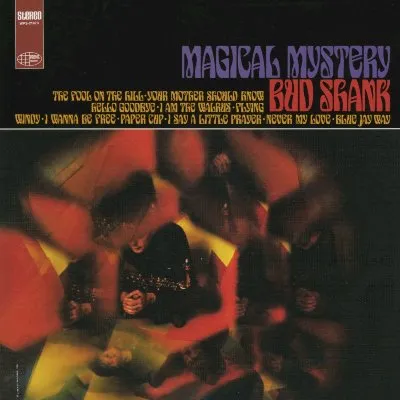
Explore the key albums that define Bud Shank's artistry.
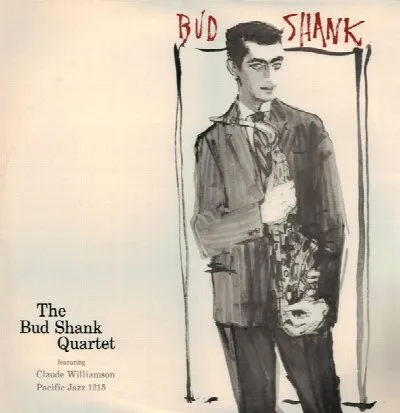
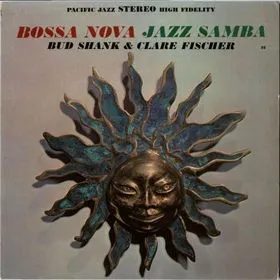
A smooth entry into Bud Shank's inviting jazz world.
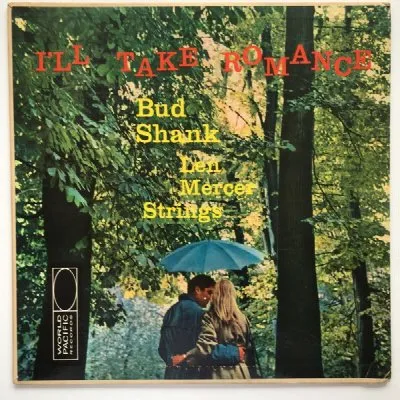

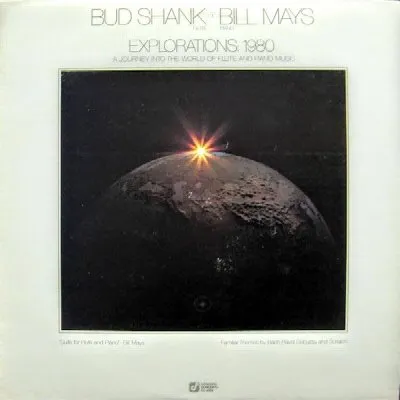
Delve into the diverse and innovative works of Bud Shank.

04 · Beyond this guide
Where to go next
-
Cannonball Adderley Adderley's warm and expressive alto saxophone style complements Shank's flowing lines, often blending intricate rhythms with melodic freedom. Start with Somethin' Else (1958)

-
Art Pepper Pepper's lyrical approach to the alto saxophone shares a similar emotional depth and complexity found in Shank's performances. Start with Art Pepper Meets the Rhythm Section (1957)

-
Lee Konitz Konitz's improvisational style and airy tone on the alto saxophone align closely with the smooth textures characteristic of Shank's music. Start with Inside Hi-Fi (1956)

05 · Keep exploring
The Weekly Dispatch
Every Tuesday, a few more places to start listening.
One short email. Free, unsubscribe anytime. Read this week's.
Common questions
Where should I start with Bud Shank?
Start with California Dreamin' (1966). A smooth entry into Bud Shank's inviting jazz world.
Which Bud Shank songs should I hear first?
Start with "Michelle" from Michelle, "Speak Low" from Laurindo Almeida Quartet featuring Bud Shank, "Nature Boy" from The Bud Shank Quartet and "Illusao" from Bossa Nova Jazz Samba.
What does Bud Shank sound like?
Shank’s music features smooth, flowing lines that glide effortlessly over intricate rhythms, creating a textured landscape that pulsates with both restraint and expressive freedom. Rooted in cool jazz.
In what order should I listen to Bud Shank's albums?
In release order: "Laurindo Almeida Quartet featuring Bud Shank" (1955), "The Bud Shank Quartet" (1956), "I'll Take Romance" (1958), "New Groove" (1961), "Barefoot Adventure" (1961), "Bossa Nova Jazz Samba" (1962), "Brasamba!" (1963), "California Dreamin'" (1966), "Windmills of Your Mind" (1969) and "Serious Swingers" (1987). New listeners can start with "California Dreamin'" and work outward in either direction.
Which artists should I listen to after Bud Shank?
Try Cannonball Adderley (start with "Somethin' Else"), Art Pepper (start with "Art Pepper Meets the Rhythm Section") and Lee Konitz (start with "Inside Hi-Fi").