


Photo: Schorle · CC BY-SA 4.0
The Northsound field guide
Where to start with Lee Konitz
Discover the intricate melodies and airy sound of Lee Konitz.
Lee Konitz offers a unique journey into the world of jazz, blending cool sensibilities with an avant-garde touch. His intricate melodies and airy saxophone sound create a rich auditory landscape that invites deep listening.
- What they sound like
- Lee Konitz's music features intricate melodies woven into a spacious, introspective sound.
- You'll like this if
- You'll connect with this if you enjoy jazz that emphasizes melody and improvisation over technical showmanship.
01 · Your first stop
Start here.
New to Lee Konitz? You don’t need to hear everything. Start with this.

Your first album
Steps Towards a Dream
1995 ·Best starting point
A friendly introduction to Lee Konitz's music for casual listeners.
Only have a few minutes?
“Lullaby of Birdland” from Lullaby of Birdland (1994)
This performance makes a familiar jazz tune a welcoming way into Konitz’s delicate phrasing and inventive improvisation.
02 · Track by track
Songs to start with
If you would rather start with a song than an album.
-
1
“'round Midnight”
from Lullaby of Birdland (1994)
'round Midnight showcases Konitz's ability to breathe new life into a classic standard, with his improvisational flair transforming the familiar into something deeply personal and evocative.
-
2
“There Will Never Be Another You”
from Lee Konitz with Warne Marsh (1955)
-
3
“Midnight Mood”
from Stereokonitz (1968)
The slow tempo and introspective melody highlight Konitz's ability to convey deep emotion through subtle phrasing and dynamics, setting a contemplative tone for the album.
-
4
“Satori”
from Satori (1975)
-
5
“Movin' Around”
from Very Cool (1957)
With its fluid melody and complex harmonic structure, this track showcases Konitz's ability to navigate through challenging changes while maintaining a laid-back vibe.
03 · The trail ahead
Listening paths
Pick a route through Lee Konitz's catalog.
Core albums showcasing Lee Konitz's artistry and evolution.
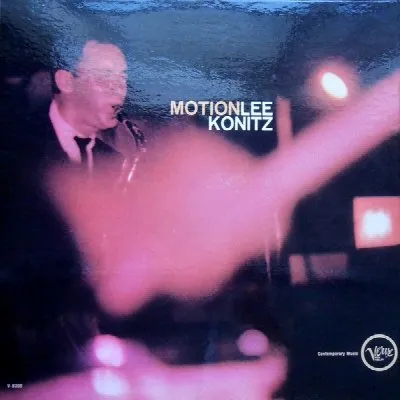
A friendly introduction to Lee Konitz's music for casual listeners.
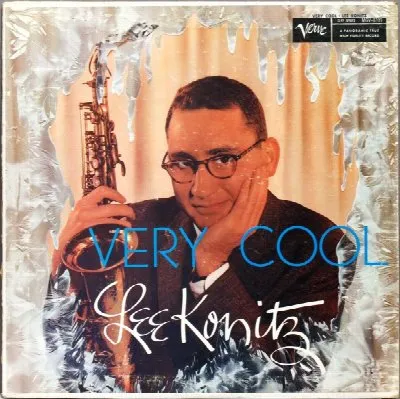
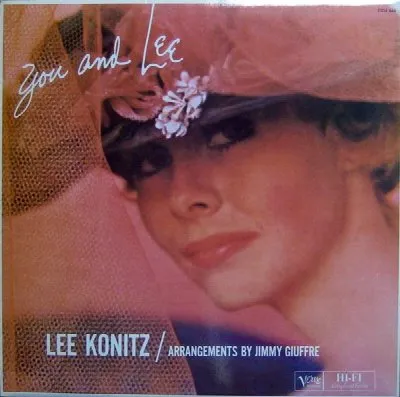
Exploring the diverse range of Lee Konitz's musical explorations.


04 · Beyond this guide
Where to go next
-
Art Pepper Pepper brings a similarly agile alto sound and lyrical West Coast phrasing, though his playing often carries a more emotionally exposed edge. Start with Art Pepper Meets the Rhythm Section (1957)

-
Bud Shank Shank’s bright alto and relaxed West Coast cool-jazz phrasing offer a lighter, more buoyant counterpart to Konitz’s exploratory lines. Start with California Dreamin' (1966)

-
Gerry Mulligan Mulligan’s airy baritone sax and uncluttered small-group arrangements share Konitz’s cool-jazz emphasis on melody, space, and ensemble conversation. Start with Getz Meets Mulligan In Hi-Fi (1957)

05 · Keep exploring
The Weekly Dispatch
Every Tuesday, a few more places to start listening.
One short email. Free, unsubscribe anytime. Read this week's.
Common questions
Where should I start with Lee Konitz?
Start with Steps Towards a Dream (1995). A friendly introduction to Lee Konitz's music for casual listeners.
Which Lee Konitz songs should I hear first?
Start with "Lullaby of Birdland" from Lullaby of Birdland, "'round Midnight" from Lullaby of Birdland, "There Will Never Be Another You" from Lee Konitz with Warne Marsh and "Midnight Mood" from Stereokonitz.
What does Lee Konitz sound like?
Lee Konitz's music features intricate melodies woven into a spacious, introspective sound. Rooted in bebop.
In what order should I listen to Lee Konitz's albums?
In release order: "Lee Konitz with Warne Marsh" (1955), "Very Cool" (1957), "Stereokonitz" (1968), "Satori" (1975), "Duplicity" (1978), "Toot Sweet" (1982), "Art of the Duo" (1988), "Lullaby of Birdland" (1994), "Sound of Surprise" (1999) and "Organic-Lee" (2006).
Which artists should I listen to after Lee Konitz?
Try Art Pepper (start with "Art Pepper Meets the Rhythm Section"), Bud Shank (start with "California Dreamin'") and Gerry Mulligan (start with "Getz Meets Mulligan In Hi-Fi").