


Photo: TGC-Topps Gum Cards-photo from Atlantic Records · Public domain
The Northsound field guide
Where to start with Chris Connor
With a catalog spanning decades, Chris Connor can be hard to navigate if you’re unsure where to begin. This guide gives you a clear starting point with A Jazz Date with Chris Connor, then offers listening paths through her standards, live performances, and stylistic shifts.
01 · Your first stop
Start here.
New to Chris Connor? You don’t need to hear everything. Start with this.
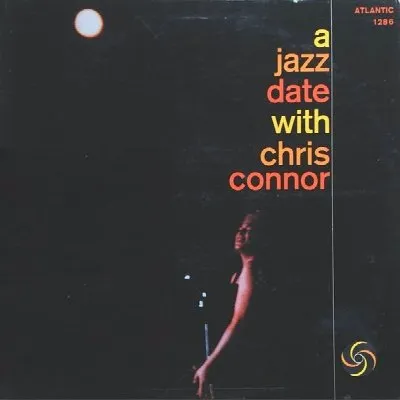
Your first album
A Jazz Date with Chris Connor
1958 ·Best starting point
Showcases her vocal style across a cohesive set of jazz standards, making it accessible for new listeners.
Only have a few minutes?
“I Miss You So” from I Miss You So (1957)
Engaging track that highlights her unique phrasing and emotional delivery, serving as a solid introduction to her artistry.
02 · Track by track
Songs to start with
If you would rather start with a song than an album.
-
1
“Something to Live For”
from Chris Connor (1956)
The poignant delivery encapsulates the essence of longing, demonstrating Connor's depth as an interpreter of lyrics.
-
2
“Black Coffee”
from Double Exposure (1961)
This track stands out for its melancholic intensity, with Connor’s voice capturing the bittersweet essence of heartache and solitude amidst rich instrumentation.
-
3
“Someone to Watch Over Me”
from This Is Chris (1955)
The Gershwin standard gives Connor room to make a familiar plea sound private rather than theatrical.
03 · The trail ahead
Listening paths
Pick a route through Chris Connor's catalog.
Follow Connor from intimate early songbook work to adventurous live performance.
-
1Sings Lullabys of Birdland (1954) Start with the intimate phrasing and cool-jazz sound that define her.

-
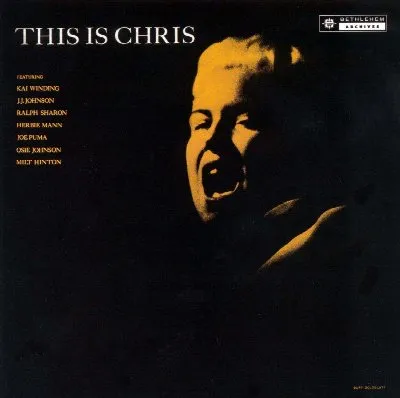
2This Is Chris (1955) Hear her stretch that style across a focused studio set.
-
3Chris Craft (1958) A polished showcase of her rhythmic control and interpretive range.

-
4At the Village Gate: Early Show/Late Show (1963) Finish with the spontaneity and drive of her live performance.

Begin with inviting standards, then ease into a lighter bossa nova setting.
-
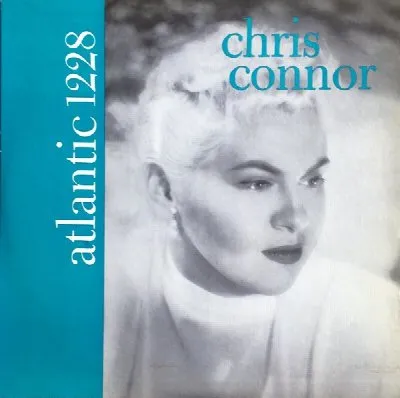
1Chris Connor (1956) A direct introduction to her voice and classic jazz-song approach.
-
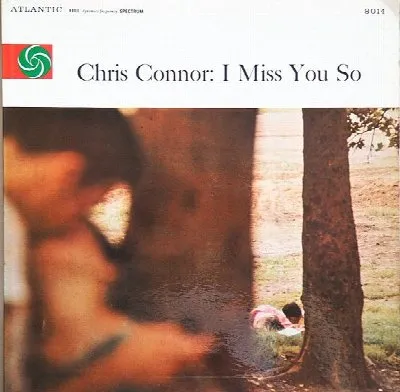
2I Miss You So (1957) Stay with familiar ballad moods and an easy, intimate delivery.
-
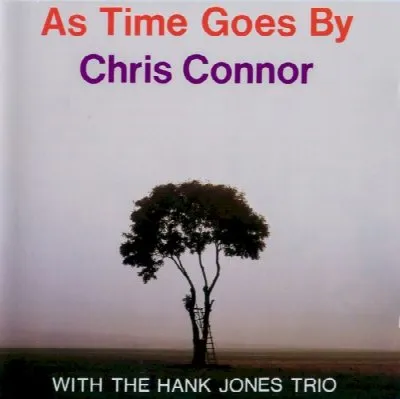
3As Time Goes By (1991) Explore another approachable set of well-known standards.
-
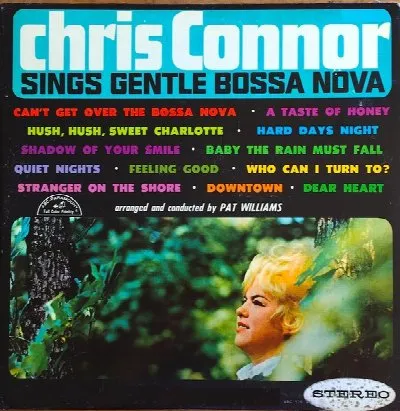
4Sings Gentle Bossa Nova (1965) End with relaxed rhythms that gently shift the listening mood.
Trace Connor’s bolder turns through altered textures, settings, and styles.
-
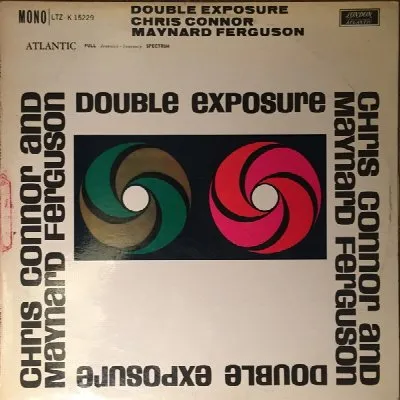
1Double Exposure (1961) Begin with a less conventional studio setting for her voice.
-
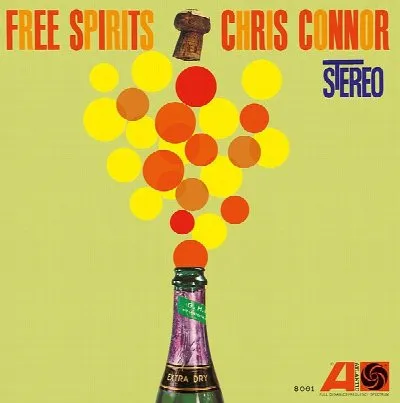
2Free Spirits (1962) Move into a more exploratory atmosphere and broader sound.
-
3Now! (1966) Hear her reach beyond the familiar standards-centered approach.
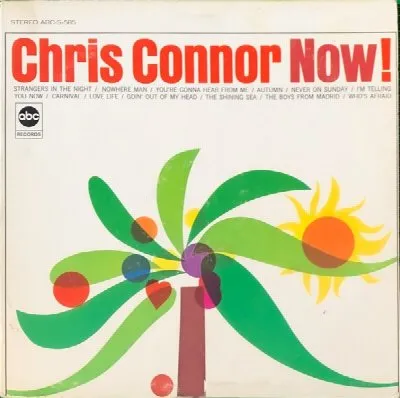
-
4Sketches (1972) Close with a later, more reflective turn in her catalog.
04 · Beyond this guide
Where to go next
-
Anita O'Day Her agile, rhythmically elastic delivery and crisp swing offer the same sense of tension and control in a small-group jazz setting. Start with Anita Sings the Winners (1958)

-
Helen Merrill Her smoky, intimate tone and subtly behind-the-beat phrasing suit listeners drawn to Connor's understated command. Start with Helen Merrill Sings the Beatles (1970)
-
Carmen McRae Explore her for incisive lyric interpretation, flexible timing, and a poised voice that makes complex melodies feel conversational. Start with Carmen McRae Sings Great American Songwriters (1993)


05 · Keep exploring
The Weekly Dispatch
Every Tuesday, a few more places to start listening.
One short email. Free, unsubscribe anytime. Read this week's.
Common questions
Where should I start with Chris Connor?
Start with A Jazz Date with Chris Connor (1958). Showcases her vocal style across a cohesive set of jazz standards, making it accessible for new listeners.
Which Chris Connor songs should I hear first?
Start with "I Miss You So" from I Miss You So, "Something to Live For" from Chris Connor, "Black Coffee" from Double Exposure and "Someone to Watch Over Me" from This Is Chris.
What does Chris Connor sound like?
With a subtle yet commanding presence, her voice weaves through intricate melodies with an elastic phrasing that draws tension while maintaining a steady pulse. Rooted in jazz.
In what order should I listen to Chris Connor's albums?
In release order: "Sings Lullabys of Birdland" (1954), "This Is Chris" (1955), "Chris Connor" (1956), "I Miss You So" (1957), "A Jazz Date with Chris Connor" (1958), "Sings Ballads of the Sad Cafe" (1959), "Double Exposure" (1961), "A Portrait of Chris" (1961), "Two's Company" (1961) and "Free Spirits" (1962). New listeners can start with "A Jazz Date with Chris Connor" and work outward in either direction.
Which artists should I listen to after Chris Connor?
Try Anita O'Day (start with "Anita Sings the Winners"), Helen Merrill (start with "Helen Merrill Sings the Beatles") and Carmen McRae (start with "Carmen McRae Sings Great American Songwriters").