


Photo: Desconegut · Public domain

The Northsound field guide
Where to start with Enrique Granados
Begin with dance-shaped piano miniatures, then follow Granados into larger musical scenes.
Granados brings Spanish dance rhythms into detailed, expressive piano writing. Start with a collection that pairs his Danzas españolas with the more reflective Escenas románticas, then move to Goyescas for a longer, more dramatic listen.
- What they sound like
- Expect piano music that shifts between dance rhythms and flowing, expressive melodies. Granados’s Spanish character comes through in the rhythm and phrasing rather than through a large orchestral sound.
- You'll like this if
- You’ll connect with this if you enjoy characterful piano pieces that balance rhythmic movement with lyrical, reflective passages. It’s also a good fit if you want to hear Spanish dance influence in classical piano music.
01 · Your first stop
Start here.
New to Enrique Granados? You don’t need to hear everything. Start with this.
Your first album
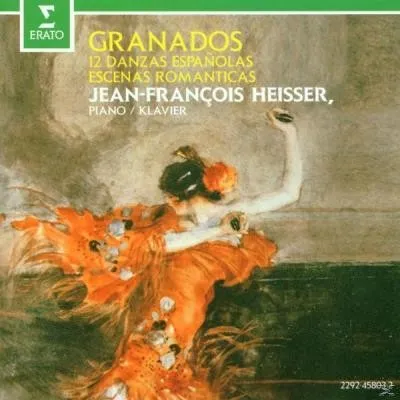
Danzas españolas / Escenas románticas
1992 ·Strong starting point
This pairing gives you the direct appeal of the Danzas españolas alongside the more inward mood of Escenas románticas. It’s a useful first stop before Goyescas, where Granados develops his expressive piano writing on a larger scale.
Only have a few minutes?
“Andaluza (Spanish Dance No. 5)”
Its recognizable dance character and lyrical piano writing offer a concise introduction to the contrast between rhythmic drive and melody that runs through the collection.
Not the album for you? Try one of these instead.
-
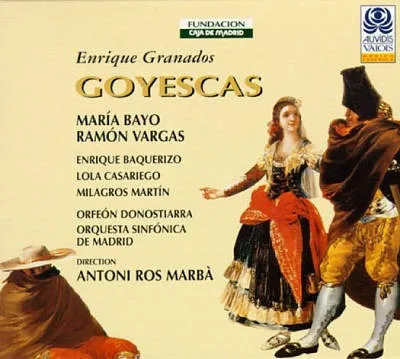
Goyescas (1997) Choose Goyescas if you would rather begin with a sustained, more dramatic piano work than a set of shorter dance pieces.
-
Piano Trio / Piano Quintet (2010) Choose Piano Trio / Piano Quintet if you want to hear Granados’s writing shared among piano and chamber instruments.

-
Songs of the Stars (2009) Choose Songs of the Stars if you want an entry point beyond the familiar piano-focused route.

02 · The trail ahead
Listening paths
Pick a route through Enrique Granados' catalog.
Follow Granados from vivid Spanish dances to his defining piano drama and orchestral world.
-
1Spanish Dances (2002) Begin with compact dances that reveal his rhythmic and melodic voice.

-
2Escenas románticas / Bocetos / Cuentos de la juventud (2003) Broaden the picture with intimate, varied piano miniatures.

-
3Goyescas, Vol. I Enter the richly characterized piano suite at its starting point.

-
4Goyescas, Vol. II / Escenas románticas Continue the suite, then hear its Romantic world in another form.

-
5Orchestral Works, Volume 2: Dante / La nit del mort / Intermezzo from Goyescas (2016) Close with orchestral writing that expands his dramatic palette.

Start with memorable dances, then approach Granados's larger and more intricate works.
-
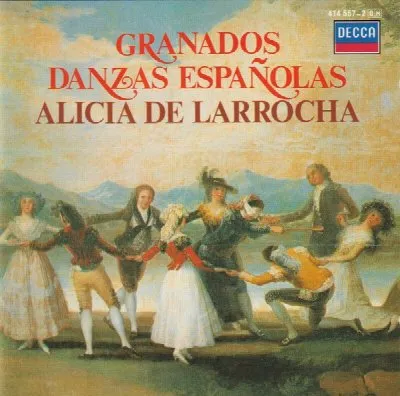
1Danzas españolas (1985) A direct introduction through colorful, self-contained dances.
-
2Allegro de concierto / Valses poéticos / Capricho español / Rapsodia aragonesa / Carezza vals / Oriental / Dos impromptus A varied set of short works keeps the listening light and engaging.
-
3Goyescas (1997) Meet his signature suite through a focused album-length performance.
-
4Piano Trio / Piano Quintet (2010) Finish by hearing his melodic language in chamber settings.
Explore less familiar orchestral, chamber, and guitar corners beyond the celebrated piano works.
-
1Chamber Music / Azulejos (2010) Begin with chamber textures and a different take on his musical colors.

-
2Enrique Granados: Gitarrenwerke "La guitarra poética" (2017) Shift to guitar works for a fresh perspective on his Spanish idiom.

-
3Orchestral Works, Volume 1: Suite sobre cantos gallegos / Torrijos / Marcha de los vencidos (2015) Hear folkloric and dramatic ideas unfold on an orchestral scale.

-
4Orchestral Works, Volume 3: Liliana / Suite Oriental / Elisenda (2016) Delve further into the breadth of his orchestral imagination.

-
5Songs of the Stars (2009) Conclude with a vocal-led view of Granados beyond the piano.
03 · Beyond this guide
Where to go next
-
Joaquín Turina Listen for lyrical piano lines, Spanish dance gestures, and warm harmonic color shaped by the same early-20th-century national style. Start with Danzas fantásticas / Danzas gitanas / Danzas andaluzas (2004)

-
Federico Mompou His intimate piano miniatures share Granados’s melodic delicacy, though they trade ornate flourishes for a quieter, more spacious touch. Start with Cançons i danses / Suburbis / Cants mágics (2001)

-
Joaquín Rodrigo His concert works bring Spanish dance rhythms and flowing lyricism into clear, colorful textures that will appeal to listeners drawn to Granados’s national character. Start with Concierto de Aranjuez / Fantasía para un gentilhombre (1998)

04 · Keep exploring
The Weekly Dispatch
Every Tuesday, a few more places to start listening.
One short email. Free, unsubscribe anytime. Read this week's.
Common questions
Where should I start with Enrique Granados?
Start with Danzas españolas / Escenas románticas (1992). This pairing gives you the direct appeal of the Danzas españolas alongside the more inward mood of Escenas románticas. It’s a useful first stop before Goyescas, where Granados develops his expressive piano writing on a larger scale.
What does Enrique Granados sound like?
Expect piano music that shifts between dance rhythms and flowing, expressive melodies. Granados’s Spanish character comes through in the rhythm and phrasing rather than through a large orchestral sound. Rooted in classical and sardana.
In what order should I listen to Enrique Granados' albums?
In release order: "Danzas españolas" (1985), "Goyescas / Allegro de Concierto / Danza Lenta" (1990), "Danzas españolas / Escenas románticas" (1992), "Doce danzas españolas / Danza lenta / Allegro de concierto" (1992), "Goyescas" (1997), "12 danzas españolas" (1998), "Piano Music, Volume 3: Escenas románticas / Allegro de concierto" (2000), "Spanish Dances" (2002), "Songs of the Stars" (2009) and "Granados: The Complete Goyesca / de Falla: El Amor Brujo" (2012). New listeners can start with "Danzas españolas / Escenas románticas" and work outward in either direction.
Which artists should I listen to after Enrique Granados?
Try Joaquín Turina (start with "Danzas fantásticas / Danzas gitanas / Danzas andaluzas"), Federico Mompou (start with "Cançons i danses / Suburbis / Cants mágics") and Joaquín Rodrigo (start with "Concierto de Aranjuez / Fantasía para un gentilhombre").