


Photo: Generalitat de Catalunya, Departament de la Presidència · Attribution

The Northsound field guide
Where to start with Federico Mompou
With dozens of recorded releases, it can be hard to know where to begin with Federico Mompou. This guide offers a clear entry point in Cançons i danses / Suburbis / Cants mágics, then shows how to explore his delicate piano phrasing, Catalan song-and-dance colors, and wider catalog.
01 · Your first stop
Start here.
New to Federico Mompou? You don’t need to hear everything. Start with this.
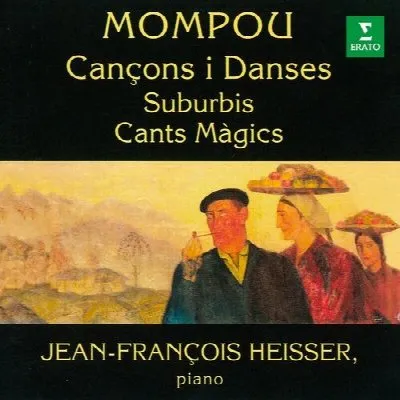
Your first album
Cançons i danses / Suburbis / Cants mágics
2001 ·Best starting point
This collection moves between Catalan song-and-dance material, the more urban sketches of Suburbis, and the concentrated atmosphere of Cants màgics. Its changing moods make Mompou’s restrained piano writing easier to approach than a full set of his especially inward Música callada, while still offering a sense of his range.
Only have a few minutes?
“Canción y danza No. 6” from Iberia y Francia (2019)
Its compact piano form joins a songful, folk-inflected melody with a livelier dance character, making Mompou’s quiet restraint easy to grasp in one sitting.
02 · The trail ahead
The records, in order
Every Federico Mompou studio album, from the first. Once the first stop lands, keep going in either direction.
-
Spanish Songs and Dances 1994 Not yet reviewed
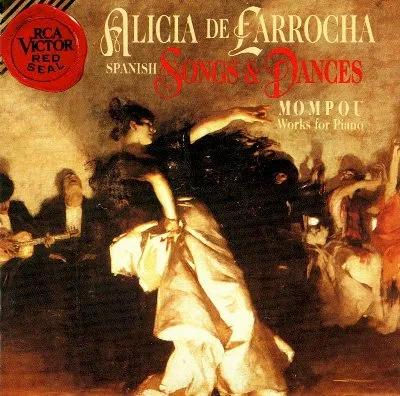
-
Música callada 1995 Not yet reviewed
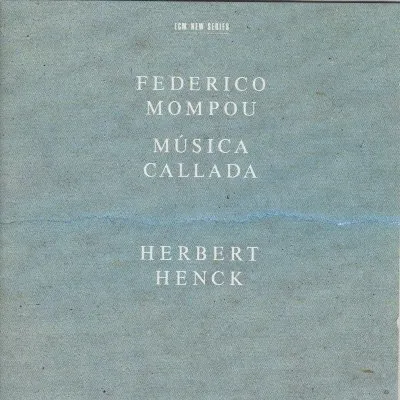
-
Piano Music by Federico Mompou 1997 Not yet reviewed
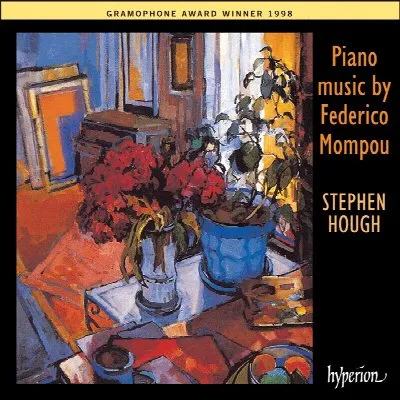
-
The Piano Works, Volume I: Cançons i danses / Impresiones íntimas 1998 Not yet reviewed

-
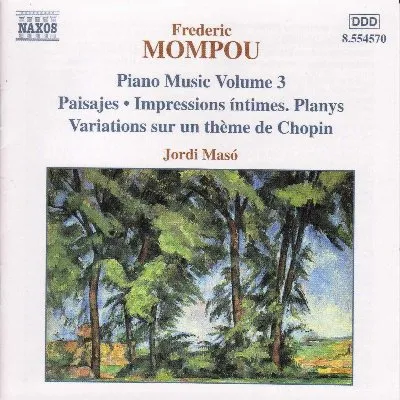
Piano Music, Volume 3: Paisajes / Impressions íntimes / Planys / Variations sur un thème de Chopin 2000 Not yet reviewed
-
Cançons i danses / Suburbis / Cants mágics 2001 Your first stop Not yet reviewed
-
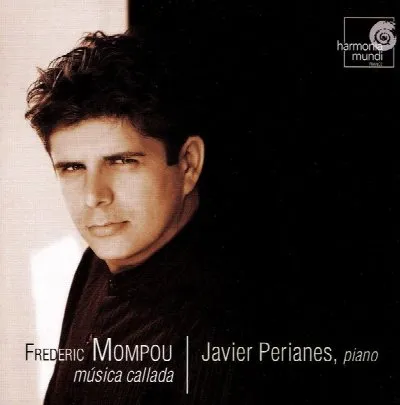
Música callada 2006 Not yet reviewed
-
Música callada 2006 Not yet reviewed

-
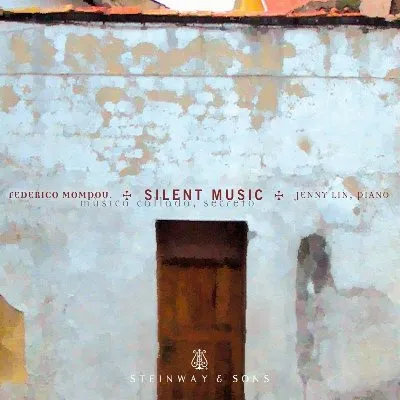
Silent Music 2011 Not yet reviewed
-
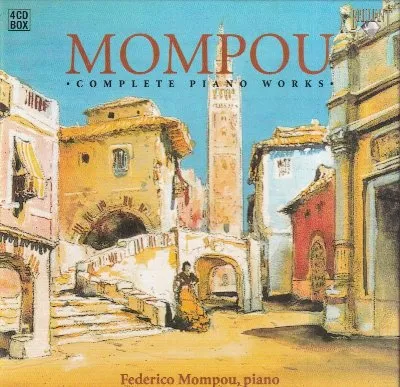
Mompou interpreta Mompou 2012 Not yet reviewed
03 · Beyond this guide
Where to go next
-
Erik Satie Try Satie for spare piano miniatures whose unhurried phrasing, delicate harmonies, and silences create the same intimate scale. Start with Gymnopédies / Gnossiennes / Sports et Divertissements (1990)

-
Claude Debussy Debussy’s quieter piano pieces offer fluid, subtly colored harmonies and restrained dynamics that echo Mompou’s inward lyricism. Start with La Mer / Nocturnes (1988)

-
Gabriel Fauré Fauré’s piano music pairs graceful, finely shaded melody with harmonic tension that unfolds gently rather than dramatically. Start with Fauré: Requiem, Cantique de Jean Racine (1984)

04 · Keep exploring
The Weekly Dispatch
Every Tuesday, a few more places to start listening.
One short email. Free, unsubscribe anytime. Read this week's.
Common questions
Where should I start with Federico Mompou?
Start with Cançons i danses / Suburbis / Cants mágics (2001). This collection moves between Catalan song-and-dance material, the more urban sketches of Suburbis, and the concentrated atmosphere of Cants màgics. Its changing moods make Mompou’s restrained piano writing easier to approach than a full set of his especially inward Música callada, while still offering a sense of his range.
What does Federico Mompou sound like?
Mompou's music thrives on delicate phrasing and rhythmic restraint, creating an intimate space that balances tension and release within each composition. Rooted in sardana.
In what order should I listen to Federico Mompou's albums?
In release order: "Spanish Songs and Dances" (1994), "Música callada" (1995), "Piano Music by Federico Mompou" (1997), "The Piano Works, Volume I: Cançons i danses / Impresiones íntimas" (1998), "Piano Music, Volume 3: Paisajes / Impressions íntimes / Planys / Variations sur un thème de Chopin" (2000), "Cançons i danses / Suburbis / Cants mágics" (2001), "Música callada" (2006), "Música callada" (2006), "Silent Music" (2011) and "Mompou interpreta Mompou" (2012). New listeners can start with "Cançons i danses / Suburbis / Cants mágics" and work outward in either direction.
Which artists should I listen to after Federico Mompou?
Try Erik Satie (start with "Gymnopédies / Gnossiennes / Sports et Divertissements"), Claude Debussy (start with "La Mer / Nocturnes") and Gabriel Fauré (start with "Fauré: Requiem, Cantique de Jean Racine").