


Photo: C. M. Stieglitz · Public domain

The Northsound field guide
Where to start with Hanns Eisler
Hanns Eisler’s catalog can be hard to approach without a clear starting point. This guide begins with The Hollywood Songbook, a cohesive set of exile songs with sharp melodies and direct emotional force, then gives you a path into the rest of his work.
01 · Your first stop
Start here.
New to Hanns Eisler? You don’t need to hear everything. Start with this.
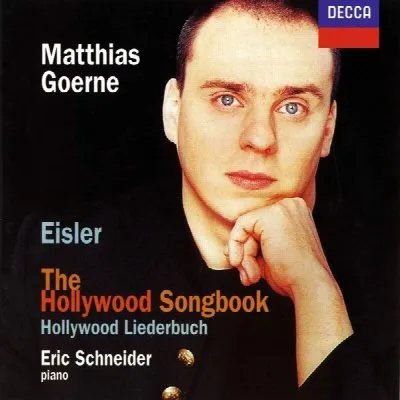
Your first album
The Hollywood Songbook
1998 ·Best starting point
A cohesive set of exile songs that introduces Eisler’s sharp melodic writing and direct emotional style.
Only have a few minutes?
“Einheitsfrontlied” from Keiner oder alle: Kampfmusik (2005)
Its insistent rhythm and memorable refrain offer an immediate introduction to Eisler’s politically charged song style.
02 · The trail ahead
The records, in order
Every Hanns Eisler studio album, from the first. Once the first stop lands, keep going in either direction.
-
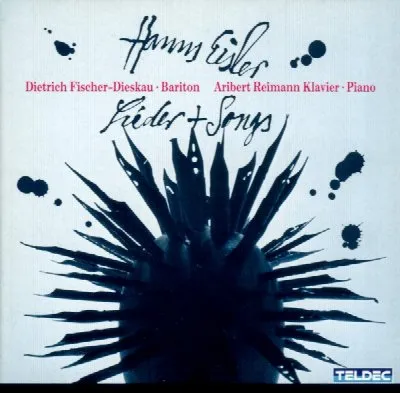
Hollywood Song-book: Lieder of the Exile 1988 Not yet reviewed
-
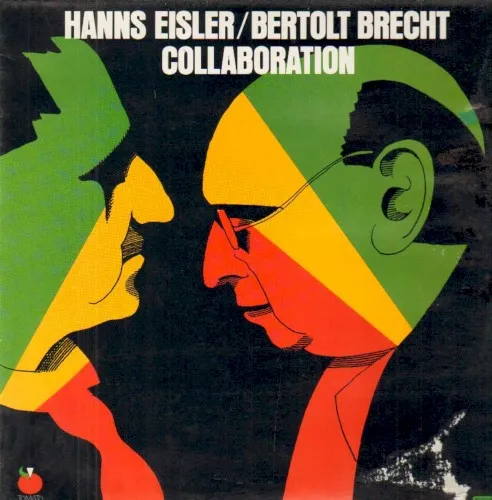
Collaboration 1989 Not yet reviewed
-
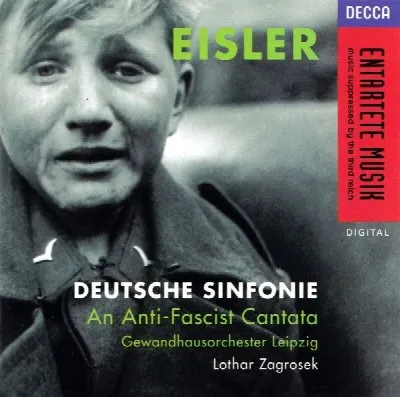
Deutsche Sinfonie: An Anti-Fascist Cantata 1995 Not yet reviewed
-
War & Exile 1996 Not yet reviewed
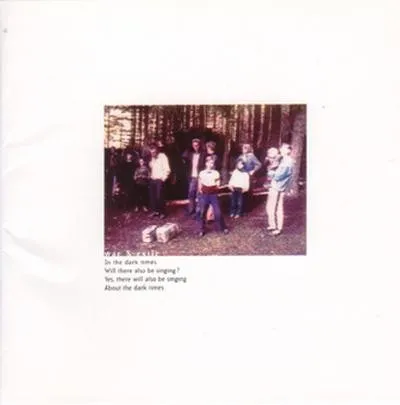
-
Irmgard Arnold singt Eisler 1998 Not yet reviewed
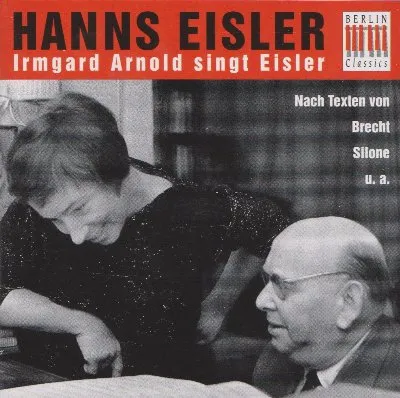
-
The Hollywood Songbook 1998 Your first stop Not yet reviewed
-
Kleine Sinfonie / Kammer‐Sinfonie / 9 Orchesterstücke / Ouvertüre zu einem Lustspiel 2004 Not yet reviewed
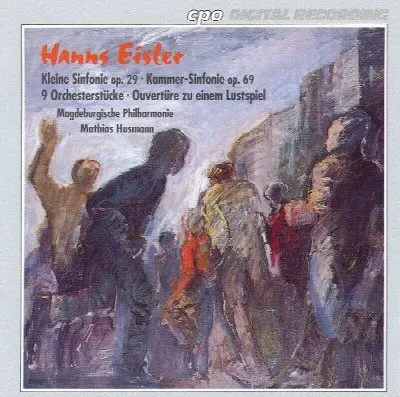
-
Keiner oder alle: Kampfmusik 2005 Not yet reviewed
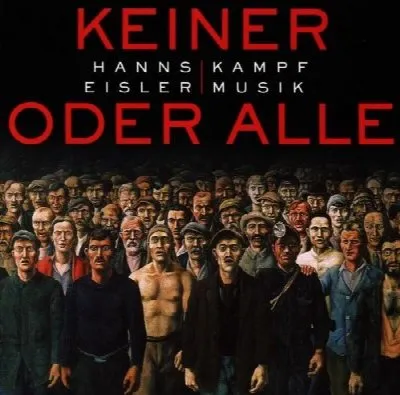
-
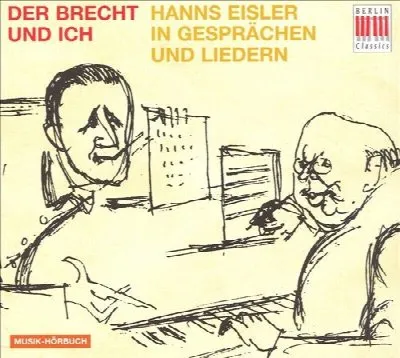
Der Brecht und ich 2006 Not yet reviewed
-
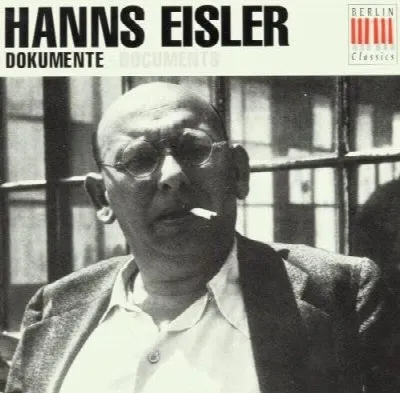
Hanns Eisler - Dokumente 2009 Not yet reviewed
03 · Beyond this guide
Where to go next
-
Arnold Schoenberg For Eisler’s more modernist side, Schoenberg offers compact, tense writing and angular lines, especially in his vocal and chamber works. Start with Schoenberg: Verklärte Nacht / Bartók: Divertimento / Hindemith: Trauermusik (1994)

-
Dmitri Shostakovich His music shares Eisler’s driving rhythms, biting melodic shapes, and ability to make political or personal tension sound starkly direct. Start with Symphony No. 5, Op. 47 (2014)

-
Benjamin Britten Britten’s songs and stage works use lucid vocal writing, incisive accompaniment, and taut dramatic pacing that will appeal to Eisler listeners. Start with Peter Grimes (2001)

04 · Keep exploring
The Weekly Dispatch
Every Tuesday, a few more places to start listening.
One short email. Free, unsubscribe anytime. Read this week's.
Common questions
Where should I start with Hanns Eisler?
Start with The Hollywood Songbook (1998). A cohesive set of exile songs that introduces Eisler’s sharp melodic writing and direct emotional style.
What does Hanns Eisler sound like?
Eisler's music pulsates with rhythmic insistence and sharp melodic contours, creating a tension that drives forward while remaining anchored in stark emotional clarity.
In what order should I listen to Hanns Eisler's albums?
In release order: "Hollywood Song-book: Lieder of the Exile" (1988), "Collaboration" (1989), "Deutsche Sinfonie: An Anti-Fascist Cantata" (1995), "War & Exile" (1996), "Irmgard Arnold singt Eisler" (1998), "The Hollywood Songbook" (1998), "Kleine Sinfonie / Kammer‐Sinfonie / 9 Orchesterstücke / Ouvertüre zu einem Lustspiel" (2004), "Keiner oder alle: Kampfmusik" (2005), "Der Brecht und ich" (2006) and "Hanns Eisler - Dokumente" (2009). New listeners can start with "The Hollywood Songbook" and work outward in either direction.
Which artists should I listen to after Hanns Eisler?
Try Arnold Schoenberg (start with "Schoenberg: Verklärte Nacht / Bartók: Divertimento / Hindemith: Trauermusik"), Dmitri Shostakovich (start with "Symphony No. 5, Op. 47") and Benjamin Britten (start with "Peter Grimes").