


The Northsound field guide
Where to start with Judy Collins
With a catalog spanning six decades, Judy Collins can be hard to approach without a clear starting point. This guide gives you an entry album and listening paths through her airy folk melodies, measured phrasing, and reflective songwriting.
01 · Your first stop
Start here.
New to Judy Collins? You don’t need to hear everything. Start with this.
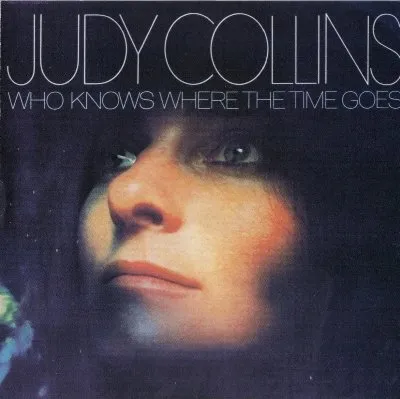
Your first album
Who Knows Where the Time Goes
1968 ·Best starting point
A smooth entry into Judy Collins' captivating folk music.
Only have a few minutes?
“Both Sides Now” from Wildflowers (1967)
An engaging track that captures her style and lyrical depth, serving as an excellent introduction to her music.
Good fit if you like
- reflective, introspective listening sessions
- long, immersive storytelling arcs
- gentle emotional resonance
- poignant lyrical explorations
02 · Track by track
Songs to start with
If you would rather start with a song than an album.
-
1
“Everybody Knows”
from Everybody Knows (2017)
This title track stands out as a poignant commentary on societal issues, encapsulating the album's reflective tone while resonating with contemporary listeners.
-
2
“River”
from Winter Stories (2019)
A poignant rendition of Joni Mitchell's classic, Collins imbues this version with a deep sense of longing and introspection, making it a highlight for its emotional depth.
-
3
“Suzanne”
from In My Life (1966)
-
4
“Send in the Clowns”
from Judith (1975)
This track stands out for its emotional depth and nuanced vocal performance, encapsulating themes of love and regret that resonate throughout the album.
03 · The trail ahead
Listening paths
Pick a route through Judy Collins' catalog.
Explore the pivotal albums that define Judy Collins' artistry.
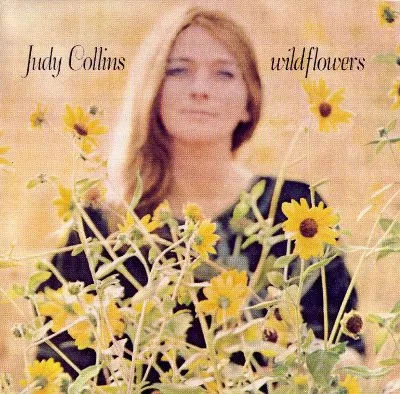
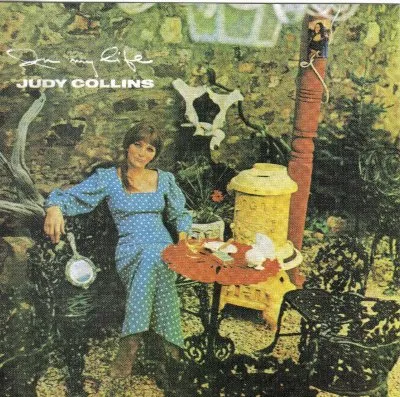
Dive into the diverse and evolving sounds of Judy Collins.



04 · Beyond this guide
Where to go next
-
Joan Baez Try her for a similarly clear, high-register voice, spare acoustic arrangements, and thoughtful interpretations of folk and protest songs. Start with Diamonds & Rust (1975)

-
Buffy Sainte-Marie Explore her for incisive folk songwriting, acoustic textures, and a thoughtful approach to traditional and contemporary material. Start with Buffy (1974)

-
Nanci Griffith Her clear, delicate vocals and understated folk arrangements foreground vivid storytelling and emotional nuance. Start with Once in a Very Blue Moon (1984)

05 · Keep exploring
The Weekly Dispatch
Every Tuesday, a few more places to start listening.
One short email. Free, unsubscribe anytime. Read this week's.
Common questions
Where should I start with Judy Collins?
Start with Who Knows Where the Time Goes (1968). A smooth entry into Judy Collins' captivating folk music.
Which Judy Collins songs should I hear first?
Start with "Both Sides Now" from Wildflowers, "Everybody Knows" from Everybody Knows, "River" from Winter Stories and "Suzanne" from In My Life.
What does Judy Collins sound like?
Her music embodies a reflective clarity, characterized by an airy texture that emphasizes lyrical depth through gentle phrasing and understated melody. Rooted in folk.
In what order should I listen to Judy Collins' albums?
In release order: "In My Life" (1966), "Wildflowers" (1967), "Who Knows Where the Time Goes" (1968), "Judith" (1975), "Judy Sings Dylan… Just Like a Woman" (1993), "Paradise" (2010), "Silver Skies Blue" (2016), "Everybody Knows" (2017), "A Love Letter to Stephen Sondheim" (2017) and "Winter Stories" (2019). New listeners can start with "Who Knows Where the Time Goes" and work outward in either direction.
Which artists should I listen to after Judy Collins?
Try Joan Baez (start with "Diamonds & Rust"), Buffy Sainte-Marie (start with "Buffy") and Nanci Griffith (start with "Once in a Very Blue Moon").