


Photo: CBS Television · Public domain
The Northsound field guide
Where to start with Julie London
Exploring Julie London's extensive catalog can feel daunting, especially with her 35 albums spanning several decades. This guide offers a clear entry point into her music, highlighting her first album, 'Julie Is Her Name,' as the starting place.
01 · Your first stop
Start here.
New to Julie London? You don’t need to hear everything. Start with this.
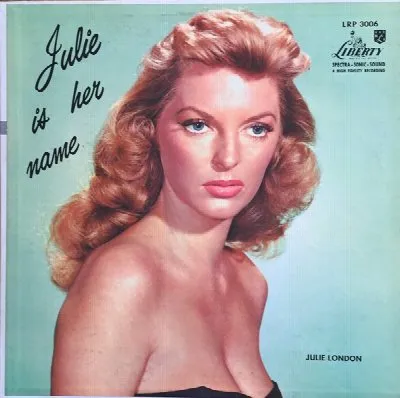
Your first album
Julie Is Her Name
1955 ·Best starting point
Captures her signature sound with a blend of cool jazz and pop, showcasing her sultry vocals in a cohesive listening experience.
Only have a few minutes?
“Cry Me a River”
Immediate hook that introduces her style, combining emotional depth with a languid pace that highlights her vocal delivery.
Good fit if you like
- intimate late-night listening
- sultry vocals for romance
- steady melodic flow throughout
- quiet moments of reflection
- background ambiance for relaxation
Maybe skip if you
- seekers of high-energy tracks
- prefer varied song structures
02 · Track by track
Songs to start with
If you would rather start with a song than an album.
-
1
“Mad About the Boy”
from London by Night (1958)
The Noël Coward song gives London room to make infatuation sound both knowing and vulnerable, with the orchestra framing rather than crowding her voice.
-
2
“Black Coffee”
from Around Midnight (1960)
The song’s sleepless pacing and domestic details turn a solitary room into a miniature drama, well suited to London’s restrained delivery.
-
3
“I Lost My Sugar in Salt Lake City”
from Lonely Girl (1956)
Its playful wordplay brings a welcome change of pace, showing how lightly London can handle a song of romantic disappointment.
-
4
“Go Slow”
from Make Love to Me (1957)
Its request for patience suits London’s measured delivery, turning restraint into the source of the song’s tension.
-
5
“By Myself”
from Julie...At Home (1960)
The compact performance turns a declaration of independence into something more guarded, letting the words carry as much weight as the melody.
03 · The trail ahead
Listening paths
Pick a route through Julie London's catalog.
A concise route through London’s intimate beginnings, signature mood, and later stylistic range.
-
1Julie Is Her Name (1955) Start with the spare, intimate sound that defines her approach.
-
2Lonely Girl (1956) Deepens the mood with a more openly wistful collection.
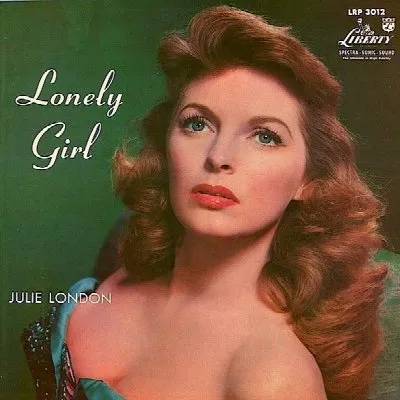
-
3Julie...At Home (1960) Hear her relaxed, personal style in a warm home setting.
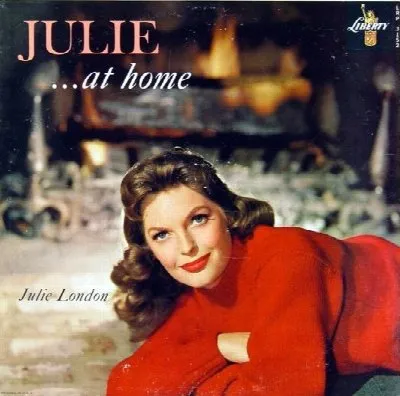
-
4Feeling Good (1965) Close with a bolder, more contemporary turn.
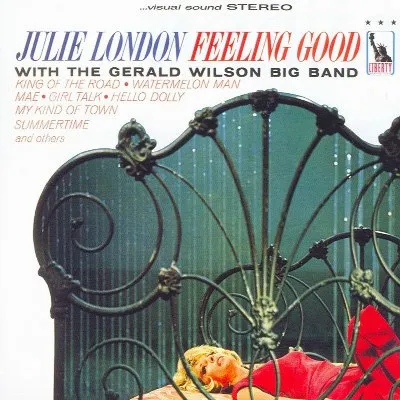
Begin with familiar, easygoing performances, then follow London toward pop and novelty.
-
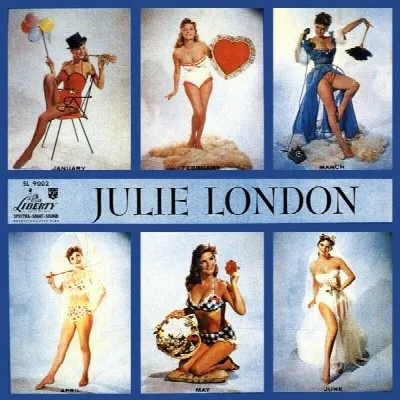
1Calendar Girl (1956) A bright, welcoming entry with varied moods and arrangements.
-
2Julie Is Her Name (1955) Then discover the sparse, close-up style behind her appeal.
-
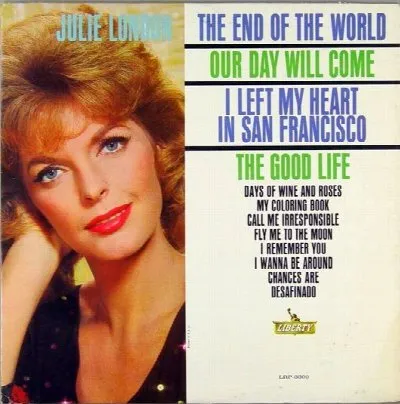
3The End of the World (1963) Its polished pop setting makes a smooth bridge to later work.
-
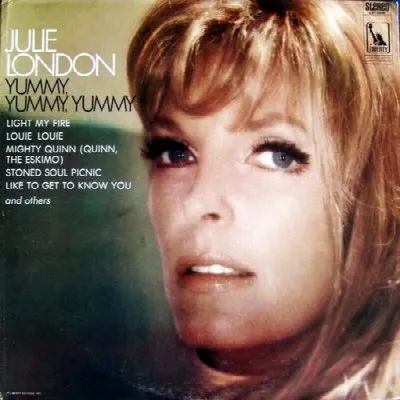
4Yummy, Yummy, Yummy (1969) Finish with a playful departure from her classic ballad sound.
Explore the less expected corners of London’s catalog, from blues to nocturnal pop.
-
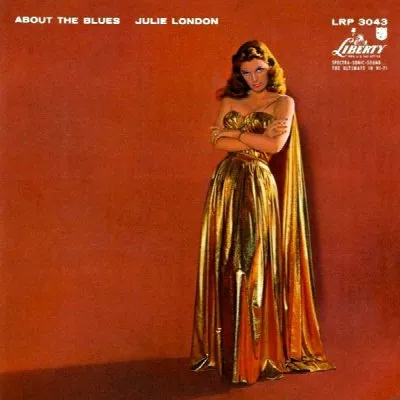
1About the Blues (1957) Begin with a focused blues mood rather than her usual broad standards mix.
-
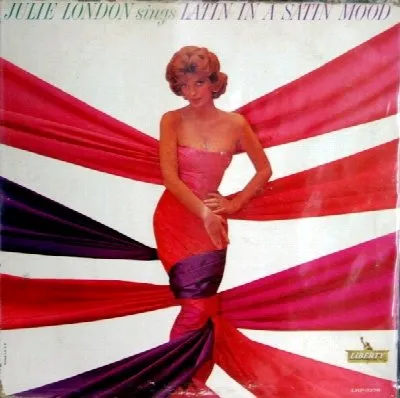
2Latin in a Satin Mood (1963) A shift in rhythmic color opens up a different side of her sound.
-
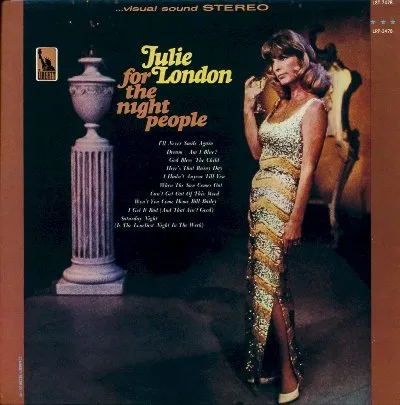
3For the Night People (1966) Its late-night atmosphere pushes her languid style into new settings.
-
4Yummy, Yummy, Yummy (1969) End with her most conspicuous leap toward contemporary pop.
04 · Beyond this guide
Where to go next
-
Peggy Lee For another intimate, smoky delivery, look to her restrained jazz-pop arrangements and carefully weighted pauses. Start with Beauty and the Beat! (1959)

-
Chris Connor Her dusky, unhurried phrasing and cool-jazz backing bring a similarly close, late-night feel to standards. Start with A Jazz Date with Chris Connor (1958)

-
Helen Merrill Try her breathy, intimate interpretations of standards, often set against spare, cool-toned accompaniment. Start with Helen Merrill Sings the Beatles (1970)


05 · Keep exploring
The Weekly Dispatch
Every Tuesday, a few more places to start listening.
One short email. Free, unsubscribe anytime. Read this week's.
Common questions
Where should I start with Julie London?
Start with Julie Is Her Name (1955). Captures her signature sound with a blend of cool jazz and pop, showcasing her sultry vocals in a cohesive listening experience.
Which Julie London songs should I hear first?
Start with "Cry Me a River" from Julie Is Her Name, "Mad About the Boy" from London by Night, "Black Coffee" from Around Midnight and "I Lost My Sugar in Salt Lake City" from Lonely Girl.
What does Julie London sound like?
Each song unfolds with a languid pace, where gentle swings and deliberate pauses accentuate the weight of unspoken desire. Rooted in pop rock and traditional pop.
In what order should I listen to Julie London's albums?
In release order: "Lonely Girl" (1956), "Make Love to Me" (1957), "Julie" (1957), "London by Night" (1958), "Around Midnight" (1960), "Julie...At Home" (1960), "Whatever Julie Wants" (1961), "The Wonderful World of Julie London" (1963), "Julie London" (1964) and "By Myself" (1965).
Which artists should I listen to after Julie London?
Try Peggy Lee (start with "Beauty and the Beat!"), Chris Connor (start with "A Jazz Date with Chris Connor") and Helen Merrill (start with "Helen Merrill Sings the Beatles").