

Why Lifehouse Is Worth Your Time
Melodic alternative rock that turns yearning into a gradual, full-band release.
Lifehouse matters because they tapped into the emotional undercurrent of early 2000s alternative rock, giving voice to a generation navigating love and longing in an increasingly complex world.
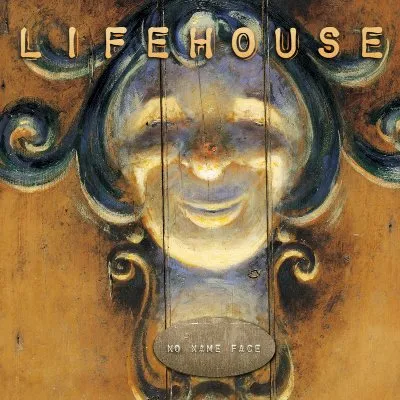
Lifehouse pair direct, melodic songwriting with arrangements that often start restrained and build into an emotional release. Begin with No Name Face for the sound that brought their early-2000s appeal into focus, then follow how the band widened that approach.
What they sound like
Expect guitar-led alternative rock built around clear melodies, earnest vocals, and dynamics that move from quieter tension toward bigger choruses. The emotional directness is central to the sound rather than a side detail.
You'll like this if
You'll connect with Lifehouse if you like melodic rock that treats longing and relationship uncertainty plainly, with a chorus that opens up after a measured build. Their straightforward sincerity is part of the appeal; it is not an especially ironic or abrasive sound.
Start here
Is this for you?
Good fit if you like
- steady melodic progression throughout
- introspective lyrics for reflection
- for quiet evenings
- engaging sing-along moments
- emotional resonance in every track
Maybe skip if you
- prefer fast-paced music
- seek standalone hit singles
After this: Lifehouse — Melodic and accessible, ideal for new fans.
Songs to start with
If you'd rather pick a song than an album.
-
1
"Broken" — from Broken (2008)
establishes the sonic palette early
-
2
"Spin" — from Stanley Climbfall (2002)
accessible entry with immediate hook
-
3
"All In" — from Smoke & Mirrors (2010)
accessible entry with immediate hook
-
4
"Hanging by a Moment" — from No Name Face (2000)
accessible entry with immediate hook
-
5
"Hurricane" — from Out of the Wasteland (2015)
accessible entry with immediate hook
-
6
"Come Back Down" — from Lifehouse (2005)
accessible entry with immediate hook
Listening paths
Pick a path through Lifehouse's catalog.
A core journey through Lifehouse's impactful albums.

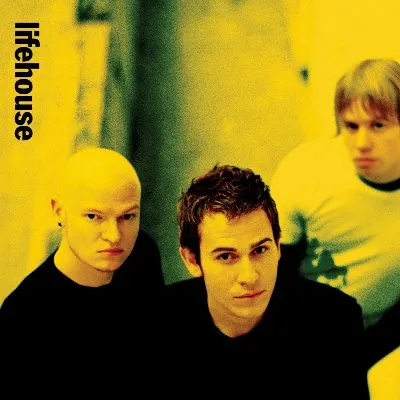
An easy entry into Lifehouse's music for casual listeners.

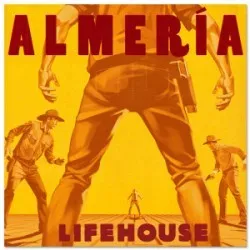
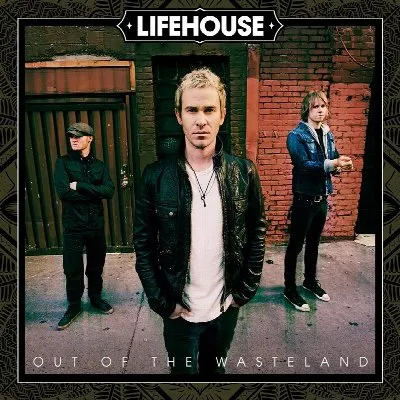
A deep dive into Lifehouse's diverse range and styles.

Go deeper
Common questions
Where should I start with Lifehouse?
Start with No Name Face (2000). No Name Face is the clearest first step because it centers Lifehouse's melodic, guitar-driven approach without requiring familiarity with their later stylistic shifts. Its mix of restrained passages and larger emotional payoffs makes the band's appeal easy to assess in one album.
What does Lifehouse sound like?
Expect guitar-led alternative rock built around clear melodies, earnest vocals, and dynamics that move from quieter tension toward bigger choruses. The emotional directness is central to the sound rather than a side detail. Rooted in alternative rock.
Who is Lifehouse for?
You'll connect with Lifehouse if you like melodic rock that treats longing and relationship uncertainty plainly, with a chorus that opens up after a measured build. Their straightforward sincerity is part of the appeal; it is not an especially ironic or abrasive sound.
How many albums does Lifehouse have?
Lifehouse has 26 releases in their discography, including 7 albums and 3 EPs.