


Photo: The original uploader was Mind meal at English Wikipedia. · CC BY-SA 2.0
The Northsound field guide
Where to start with Lonnie Smith
Hammond-organ soul jazz with a deep, steady funk pulse.
Lonnie Smith puts the Hammond organ at the center of jazz built to move, balancing steady funk grooves with room for improvisation. Start with Think! for a direct introduction to that sound, then follow how his records widen and reshape the groove.
- What they sound like
- Expect Hammond organ out front, supported by a tight rhythm section and jazz improvisation that stays grounded in the groove. Smith’s playing can be earthy and direct without losing its sense of motion.
- You'll like this if
- You’ll connect with Smith if you like jazz that keeps a strong rhythmic pulse, especially organ-led soul jazz and funk. His music suits listeners who want improvisation without losing the beat.
01 · Your first stop
Start here.
New to Lonnie Smith? You don’t need to hear everything. Start with this.
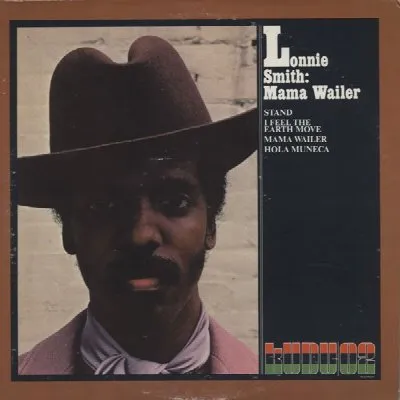
Your first album
Mama Wailer
1971 ·Best starting point
An easy entry into Lonnie Smith's vibrant music.
Only have a few minutes?
“Move Your Hand” from Move Your Hand
The title track’s lively soul-jazz groove and improvisation make Smith’s music inviting from the start, with enough momentum to stand on its own.
02 · Track by track
Songs to start with
If you would rather start with a song than an album.
-
1
“The Call of the Wild”
from Think! (1968)
-
2
“Charlie Brown”
from Move Your Hand
This track features a playful yet sophisticated arrangement, blending catchy melodies with intricate rhythmic patterns that highlight Smith's mastery of the organ.
-
3
“Mama Wailer”
from Mama Wailer (1971)
The title track establishes the album’s funk footing, with Smith’s organ working inside a groove rather than simply floating above it.
-
4
“People Sure Act Funny”
from Turning Point (1969)
Smith’s take on the soul tune turns its recognizable melody into a springboard for a loose, blues-inflected ensemble performance.
-
5
“Spirits Free”
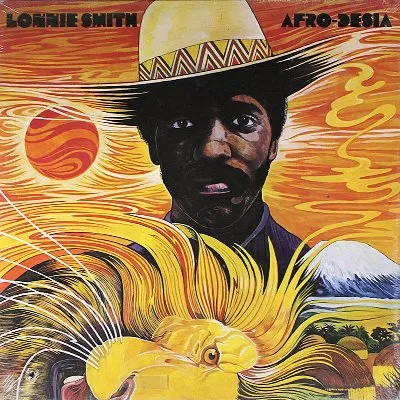
from Afro–desia (1975)
At nearly 15 minutes, this is the album’s longest excursion, giving its improvisation and rhythmic foundation time to unfold.
03 · The trail ahead
Listening paths
Pick a route through Lonnie Smith's catalog.
A core journey through Lonnie Smith's defining works.
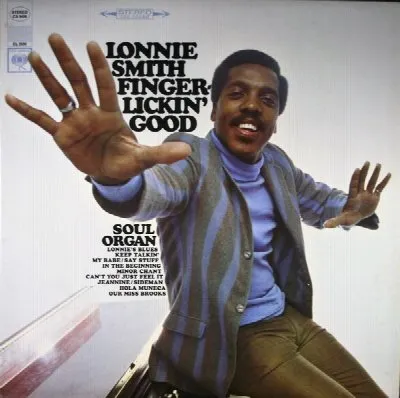
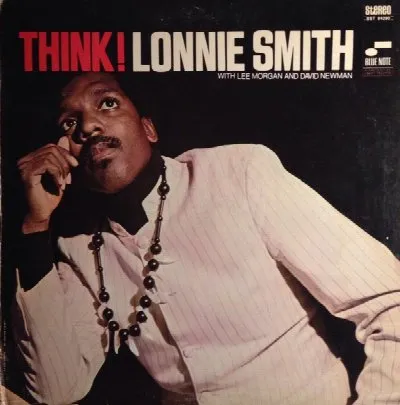
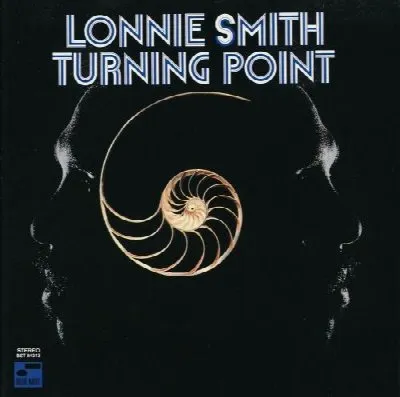
An easy entry into Lonnie Smith's vibrant music.
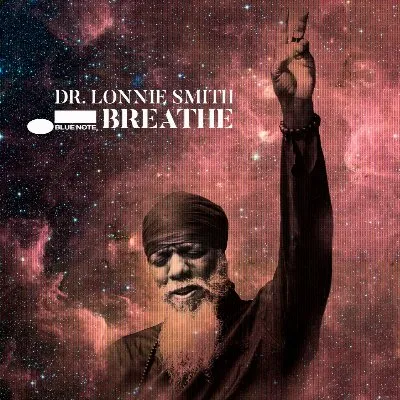
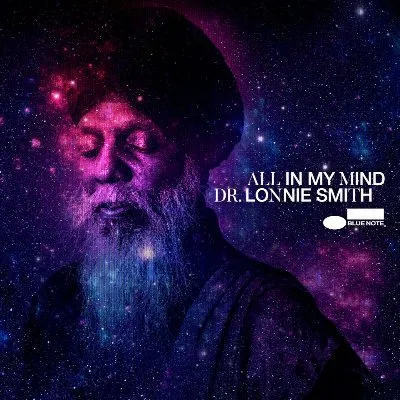
A deep dive into the range and evolution of Lonnie Smith.
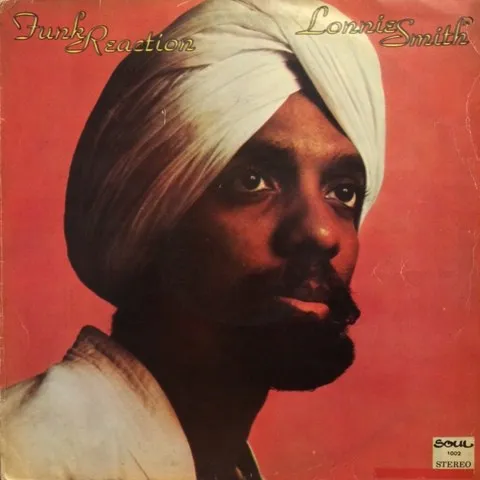

04 · Beyond this guide
Where to go next
-
Jimmy McGriff Start here for Hammond organ lines locked into bluesy, hard-driving funk grooves and a classic soul-jazz sound. Start with A Bag Full of Soul (1966)

-
Jimmy Smith For the foundational Hammond vocabulary, listen for his nimble lines and crisp, blues-rooted soul-jazz combos. Start with The Sermon! (1959)

-
Joey DeFrancesco His virtuosic Hammond playing blends blues, bebop, and soul with the same emphasis on a strong, propulsive groove. Start with Where Were You? (1990)

05 · Keep exploring
The Weekly Dispatch
Every Tuesday, a few more places to start listening.
One short email. Free, unsubscribe anytime. Read this week's.
Common questions
Where should I start with Lonnie Smith?
Start with Mama Wailer (1971). An easy entry into Lonnie Smith's vibrant music.
Which Lonnie Smith songs should I hear first?
Start with "Move Your Hand" from Move Your Hand, "The Call of the Wild" from Think!, "Charlie Brown" from Move Your Hand and "Mama Wailer" from Mama Wailer.
What does Lonnie Smith sound like?
Expect Hammond organ out front, supported by a tight rhythm section and jazz improvisation that stays grounded in the groove. Smith’s playing can be earthy and direct without losing its sense of motion. Rooted in funk and jazz.
In what order should I listen to Lonnie Smith's albums?
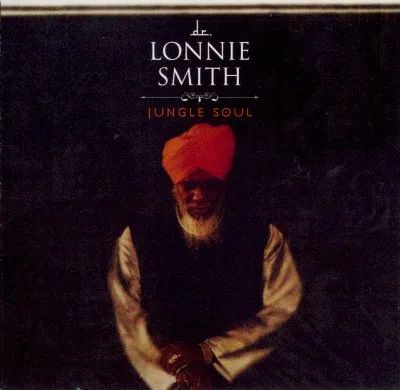
In release order: "Think!" (1968), "Turning Point" (1969), "Drives" (1970), "Mama Wailer" (1971), "Afro–desia" (1975), "Keep on Lovin'" (1976), "The Turbanator" (2000), "Too Damn Hot!" (2004), "Jungle Soul" (2006) and "Spiral" (2010). New listeners can start with "Mama Wailer" and work outward in either direction.
Which artists should I listen to after Lonnie Smith?
Try Jimmy McGriff (start with "A Bag Full of Soul"), Jimmy Smith (start with "The Sermon!") and Joey DeFrancesco (start with "Where Were You?").