


Photo: Aleksander Orłowski · Public domain

The Northsound field guide
Where to start with Muzio Clementi
Clementi’s keyboard catalog can be hard to approach without a clear starting point. This guide begins with Six Sonatinas for the Piano, Op. 36, where nimble writing and clear classical forms make his style easy to hear. From there, follow paths into more demanding piano works and orchestral color.
01 · Your first stop
Start here.
New to Muzio Clementi? You don’t need to hear everything. Start with this.
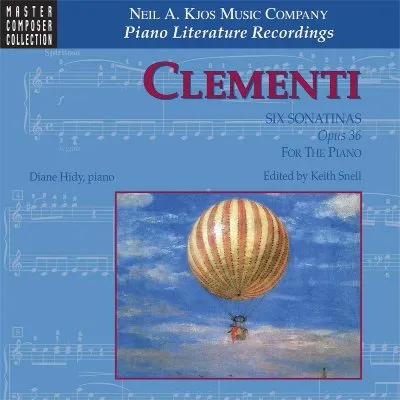
Your first album
Six Sonatinas for the Piano, op. 36
·Best starting point
A concise, approachable set that introduces Clementi’s nimble keyboard writing and clear classical forms.
Only have a few minutes?
“Sonatina in C Major, Op. 36, No. 1: I. Allegro”
A brisk, self-contained introduction, with a clear melody and lively exchanges that reveal his keyboard style.
02 · The trail ahead
Listening paths
Pick a route through Muzio Clementi's catalog.
Follow Clementi from early sonatas through mature keyboard writing to orchestral color.
-
1The Complete Sonatas, Vol. 2: The Earliest Sonatas (2014) Begin with the early sonata style that shaped his keyboard voice.

-
2Six Sonatinas for the Piano, op. 36 Hear his clarity and melodic appeal in a concise, approachable form.
-
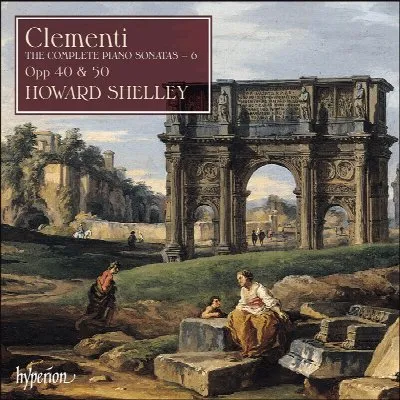
3The Complete Piano Sonatas 6: Opp. 40 & 50 (2010) Move into the expansive, technically demanding sonatas of maturity.
-
4Gradus ad Parnassum (2004) See how keyboard craft becomes a vivid study in technique and invention.

-
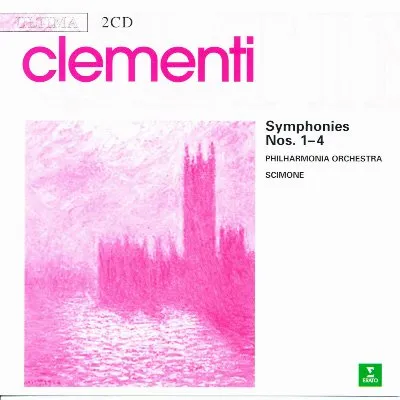
5Symphonies nos. 1-4 (1998) Close with the orchestral world beyond his best-known piano music.
Start with memorable piano pieces, then explore greater scale and complexity.
-
1Six Sonatinas for the Piano, op. 36 A welcoming set of compact pieces with clear melodies and form.
-
2Piano Jewels (2022) A sampler-style next step through varied, inviting keyboard music.

-
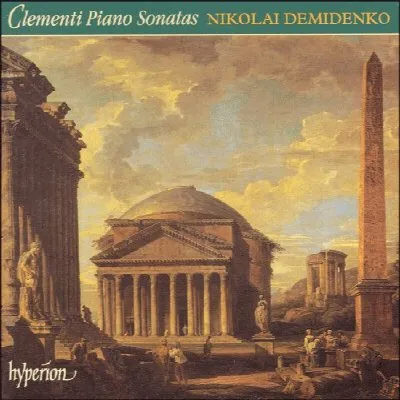
3Piano Sonatas (1995) Broaden the view with a focused selection of sonata writing.
-
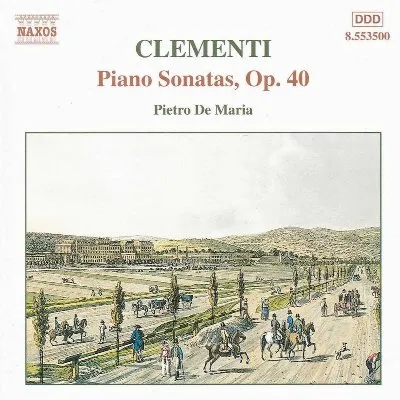
4Piano Sonatas, op. 40 (1999) Finish with sonatas whose scale and virtuosity ask for closer listening.
Explore Clementi's less familiar forms, ensemble colors, and virtuosic extremes.
-
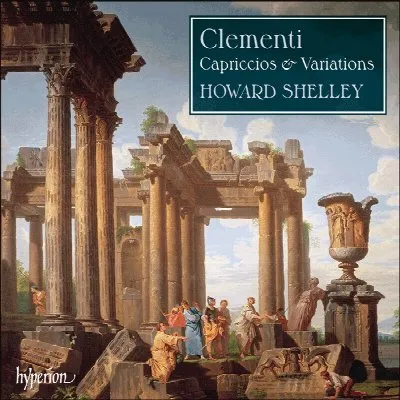
1Capriccios & Variations (2011) Start with playful forms and transformations beyond the sonata.
-
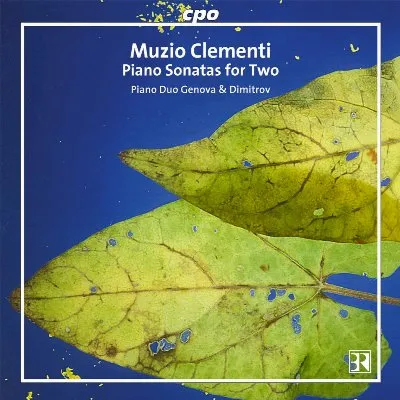
2Piano Sonatas For Two (2004) Hear keyboard writing reshaped through shared performance.
-
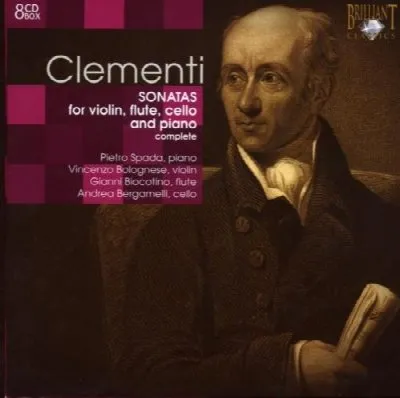
3Sonatas for Violin, Flute, Cello and Piano (complete) (2008) Discover how his style works across a chamber ensemble.
-
4Piano Concerto In C Major / Two Symphonies, Op. 18 (2014) Expand from chamber interplay to concerto and orchestral scale.

-
5Late Works for Pianoforte (2004) End with late keyboard music and its distinctive expressive demands.

03 · Beyond this guide
Where to go next
-
Ludwig van Beethoven His early piano sonatas build on the Classical keyboard idiom with forceful contrasts, rhythmic drive, and increasingly rich textures. Start with Symphony no. 3 “Eroica” (1969)

-
Johann Nepomuk Hummel His piano music combines polished Classical forms with brilliant, finely detailed passagework and sharply contrasting moods. Start with Piano Concerto in B minor, op. 89 / Piano Concerto in A minor, op. 85 (1987)

-
Carl Maria von Weber His piano works add dramatic contrasts and virtuosic keyboard writing to a Classical framework, with a more theatrical, early-Romantic color. Start with Complete Overtures (2015)

04 · Keep exploring
The Weekly Dispatch
Every Tuesday, a few more places to start listening.
One short email. Free, unsubscribe anytime. Read this week's.
Common questions
Where should I start with Muzio Clementi?
Start with Six Sonatinas for the Piano, op. 36. A concise, approachable set that introduces Clementi’s nimble keyboard writing and clear classical forms.
In what order should I listen to Muzio Clementi's albums?
In release order: "Sonates" (1993), "Sonate, duetti & capricci: Complete Edition, Volume 1" (1994), "Piano Sonatas" (1995), "Sonate, duetti & capricci: Complete Edition, Volume 7" (1997), "Sonate, duetti & capricci: Complete Edition, Volume 14" (1998), "Piano Sonatas, op. 40" (1999), "Sonate, duetti & capricci: Complete Edition, Volume 15" (1999), "Gradus ad Parnassum" (2004), "For All Ages" (2006) and "Sonatas for Violin, Flute, Cello and Piano (complete)" (2008).
Which artists should I listen to after Muzio Clementi?
Try Ludwig van Beethoven (start with "Symphony no. 3 “Eroica”"), Johann Nepomuk Hummel (start with "Piano Concerto in B minor, op. 89 / Piano Concerto in A minor, op. 85") and Carl Maria von Weber (start with "Complete Overtures").