


Photo: General Artists Corporation (management) · Public domain
The Northsound field guide
Where to start with Peggy Lee
Peggy Lee masterfully blends jazz and pop, creating a sound that resonates with both sophistication and intimacy. Her ability to convey deep emotion through storytelling has influenced countless artists and continues to captivate listeners.
01 · Your first stop
Start here.
New to Peggy Lee? You don’t need to hear everything. Start with this.
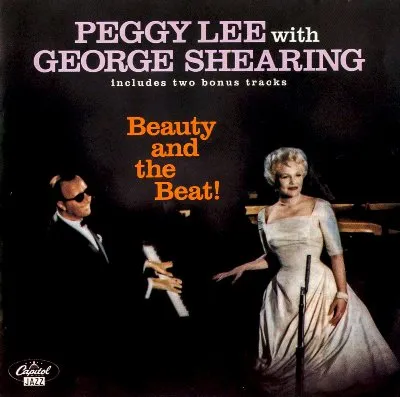
Your first album
Beauty and the Beat!
1959 ·Best starting point
An easy entry into Peggy Lee's captivating music.
Only have a few minutes?
“Fever” from Things Are Swingin' (1959)
Immediate hook that introduces her sultry style and rhythmic precision, making it an engaging standalone track.
Good fit if you like
- steady melodic journey throughout
- for afternoon relaxation
- sultry vocals for intimate moments
- vibrant tunes for lighthearted gatherings
Maybe skip if you
- seekers of high-energy tracks
- prefer standalone singles
02 · Track by track
Songs to start with
If you would rather start with a song than an album.
-
1
“Fantástico”
from Olé ala Lee (1961)
A standout moment that fuses catchy melodies with intricate orchestration, illustrating Lee's flair for blending different musical styles seamlessly.
-
2
“I've Got You Under My Skin”
from Black Coffee (1956)
This classic standard is given new life by Lee's sultry interpretation, blending playful confidence with vulnerability that resonates throughout the album.
-
3
“Happiness Is a Thing Called Joe”
from The Man I Love (1957)
-
4
“C’est Magnifique”
from Latin ala Lee! (1960)
This track stands out with its lush orchestration and charming melody, perfectly illustrating Lee's ability to infuse classic pop with a vibrant Latin flair. The arrangement creatively melds traditional elements with rhythmic intricacies that enhance the song's romantic essence.
-
5
“The Boy From Ipanema”
from In the Name of Love (1964)
Lee's interpretation of this classic brings a unique jazzy flair that highlights her ability to seamlessly blend genres and connect with contemporary sounds.
03 · The trail ahead
Listening paths
Pick a route through Peggy Lee's catalog.
A core journey through Peggy Lee's iconic artistry.
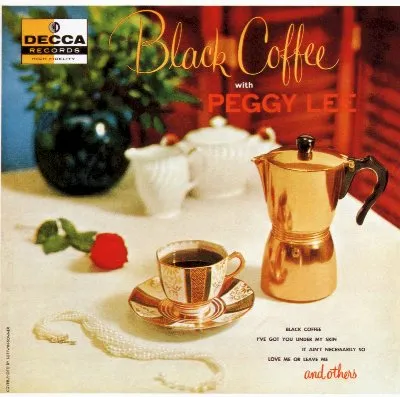
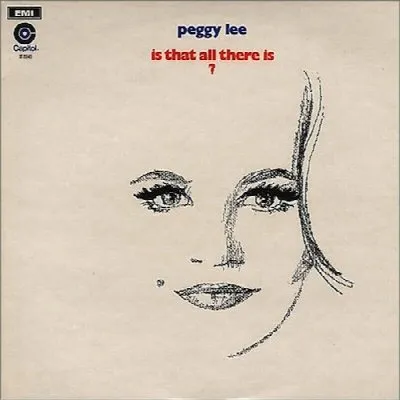
An easy entry into Peggy Lee's captivating music.
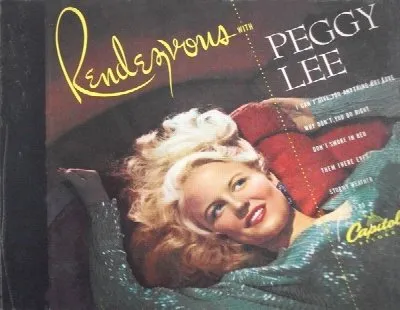
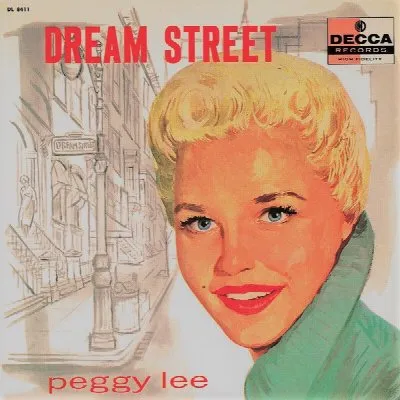
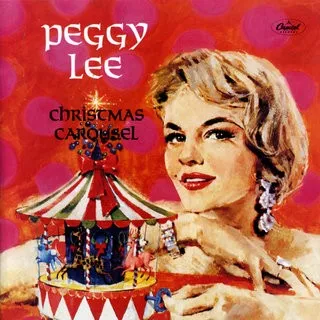
Explore Peggy Lee's diverse range and evolution.
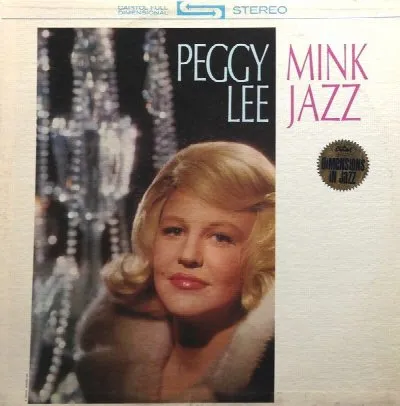
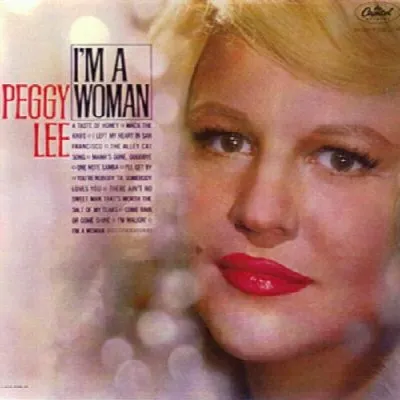


04 · Beyond this guide
Where to go next
-
Ella Fitzgerald Known for her impeccable phrasing and vocal agility, Ella's jazz standards evoke a similar intimate yet expansive atmosphere. Start with Ella Fitzgerald Sings the Cole Porter Songbook (1956)

-
Julie London Her sultry vocals and minimalist arrangements create a mood that mirrors Peggy Lee's blend of intimacy and sophistication. Start with Julie Is Her Name (1955)

-
Sarah Vaughan With her rich tone and emotional delivery, Vaughan's jazz interpretations resonate with the same depth and precision found in Lee's work. Start with Sarah Vaughan with Clifford Brown (1955)

05 · Keep exploring
The Weekly Dispatch
Every Tuesday, a few more places to start listening.
One short email. Free, unsubscribe anytime. Read this week's.
Common questions
Where should I start with Peggy Lee?
Start with Beauty and the Beat! (1959). An easy entry into Peggy Lee's captivating music.
Which Peggy Lee songs should I hear first?
Start with "Fever" from Things Are Swingin', "Fantástico" from Olé ala Lee, "I've Got You Under My Skin" from Black Coffee and "Happiness Is a Thing Called Joe" from The Man I Love.
What does Peggy Lee sound like?
With a hushed intensity and rhythmic precision, her music balances spaciousness with intricate phrasing, creating an atmosphere that feels both intimate and expansive. Rooted in jazz.
In what order should I listen to Peggy Lee's albums?
In release order: "Black Coffee" (1956), "The Man I Love" (1957), "I Like Men!" (1959), "Jump for Joy" (1959), "Latin ala Lee!" (1960), "Pretty Eyes" (1960), "Olé ala Lee" (1961), "Mink Jazz" (1963), "In the Name of Love" (1964) and "Then Was Then – Now Is Now!" (1965).
Which artists should I listen to after Peggy Lee?
Try Ella Fitzgerald (start with "Ella Fitzgerald Sings the Cole Porter Songbook"), Julie London (start with "Julie Is Her Name") and Sarah Vaughan (start with "Sarah Vaughan with Clifford Brown").