

Why Ten Years After Is Worth Your Time
Exploring the intersection of blues and rock with improvisational flair.
Ten Years After matters for their role in shaping the blues rock landscape, infusing it with a raw energy and improvisational spirit that reverberates through generations of musicians.
Ten Years After holds a pivotal place in the evolution of blues rock, known for their electrifying performances and spontaneous improvisation. Their music blends structured riffs with raw energy, making each track feel alive and dynamic. If you're curious about how blues influences have shaped rock music, diving into their catalog is a rewarding experience.
What they sound like
Ten Years After's sound is a vibrant mix of blues rock characterized by groove-driven instrumentation and engaging solos.
You'll like this if
You'll connect with this if you enjoy lively guitar work and the energetic spirit of classic rock.
Start here

Cricklewood Green
1970
Best starting point
Engaging track with a strong hook that showcases their style, making it an excellent standalone introduction to the band's music.
Is this for you?
Good fit if you like
- steady mid-tempo groove
- spirited sing-along moments
- road trip soundtrack energy
- warm afternoon vibes
- short bursts of reflection
Maybe skip if you
- seeking instant gratification
- prefer longer, complex compositions
Songs to start with
If you'd rather pick a song than an album.
-
1
"Bad Scene" — from Ssssh (1969)
establishes the sonic palette early
-
2
"Love Like a Man" — from Live at the Fillmore East 1970
accessible entry with immediate hook
-
3
"One of These Days" — from Recorded Live
establishes the sonic palette early
-
4
"Nowhere to Run" — from Positive Vibrations (1974)
accessible entry with immediate hook
-
5
"Highway of Love" — from About Time (1989)
establishes the sonic palette early
-
6
"The Sounds" — from Alvin Lee and Company (1972)
establishes the sonic palette early
Listening paths
Pick a path through Ten Years After's catalog.
Explore the defining albums that shaped Ten Years After's legacy.

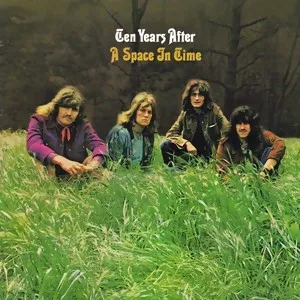
Start with the most approachable albums for new listeners.


Delve into albums that showcase their musical evolution.


Go deeper
Common questions
Where should I start with Ten Years After?
Start with Cricklewood Green (1970). 'Cricklewood Green' encapsulates the essence of Ten Years After, blending bluesy grooves with rock energy. It's cohesive enough for newcomers while still offering the improvisational highlights that define their style.
What does Ten Years After sound like?
Ten Years After's sound is a vibrant mix of blues rock characterized by groove-driven instrumentation and engaging solos. Rooted in blues rock.
Who is Ten Years After for?
You'll connect with this if you enjoy lively guitar work and the energetic spirit of classic rock.
How many albums does Ten Years After have?
Ten Years After has 26 releases in their discography, including 22 albums and 1 EP.