

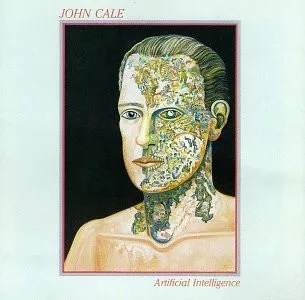
Artificial Intelligence
John Cale · 1985
42 min · 9 tracks · alternative rock
John Cale’s weathered voice moves through a tense landscape of synthesizers and drum machines, where polished surfaces barely contain the unease.
Top tracks — play these first
-
→
Dying on the Vine — Cale’s weary vocal gives the electronic arrangement an unusually intimate center. Its persistent melodic refrain also proved adaptable to the spare live performances he recorded later.
-
→
Everytime the Dogs Bark Start here — The opener sets Cale’s urgent delivery against a taut electronic pulse, introducing the friction between an abrasive voice and a polished 1980s production style.
-
→
Chinese Takeaway (Hong Kong 1997) — Its title points toward Hong Kong’s impending handover, placing a specific geopolitical reference inside the album’s restless electronic rock.
-
→
Satellite Walk — The closing track extends the album’s electronic atmosphere into a spacious finale, leaving its tension hanging rather than resolving it cleanly.
Elevation
Our rating, out of 100 — and why.
AI-generated from five scored dimensions. An opinion, not a measurement.
The album blends avant-garde elements with pop sensibilities, showcasing Cale's unique approach to songwriting.
What we noticed
- The first three tracks feature a consistent mid-tempo pace, while the fourth track introduces a faster rhythm that shifts the album's energy.
- Several tracks incorporate unconventional song structures, such as abrupt changes in dynamics and tempo, particularly in 'Chinese Takeaway'.
- The album closes with 'Satellite Walk', which features an extended instrumental section that gradually fades out, creating a lingering sense of introspection.
- Composition 25% of the score
-
7/10
- Craft 20% of the score
-
6/10
- Durability 25% of the score
-
6/10
- Distinctiveness 18% of the score
-
7/10
- Sequencing 12% of the score
-
5/10
the writing — melody, harmony, structure, lyrics
production, performance, arrangement
whether it rewards returning to it
whether it sounds like itself
running order, pacing, length
Significant within its genre. Reported but not counted — how far a record travelled describes its reception rather than the record, and a newer release has had less time to travel than an older one.
Is this for you?
Good fit if you like
- steady mid-tempo reflective pacing
- poignant themes of isolation
- kaleidoscopic sonic explorations
- thoughtful listening during solitude
Maybe skip if you
- seeking high-energy tracks
- prefer instant gratification
Where this album fits
- In the catalog
- Experimental — Marks a shift in Cale's sound, blending avant-garde with pop, showcasing his evolving artistry.
- Themes
- Hong Kong surrealism· loss and longing· narrative storytelling
- Career context
- Released in 1985, Artificial Intelligence followed Cale’s 1984 album Caribbean Sunset. Working with lyricist Larry Sloman, the former Velvet Underground member brought his solo songwriting into a distinctly electronic mid-1980s setting.
- Stylistic neighbors
- Brian Eno· Lou Reed· David Bowie
Moments worth listening for
Where the writing does something specific.
-
Dying on the Vine
The refrain repeats a first-person construction across a series of images of precarious living, sleep and imagined escape.
That parallel syntax makes each new image feel like another variation on the same unresolved predicament.
Tracklist
- 1 Everytime the Dogs Bark Start here 4:17
- 2 Dying on the Vine 5:18
- 3 The Sleeper 5:54
- 4 Vigilante Lover 4:27
- 5 Chinese Takeaway (Hong Kong 1997) 3:44
- 6 Song of the Valley 5:06
- 7 Fadeaway Tomorrow 3:25
- 8 Black Rose 4:59
- 9 Satellite Walk 4:58
What to play next
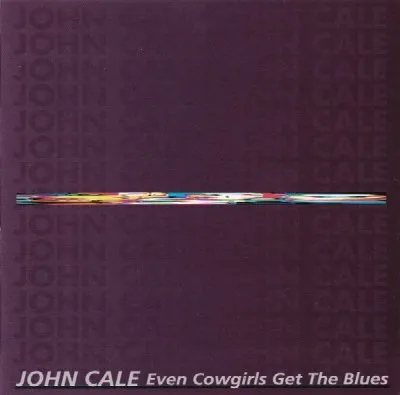
Even Cowgirls Get the Blues
1987
Continues the experimental vibe while exploring new themes and sounds.
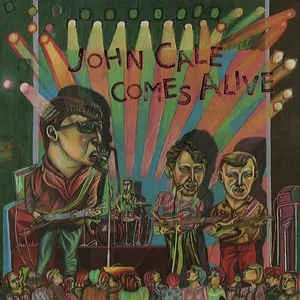
John Cale Comes Alive
1984
Sets the stage with engaging live energy before the experimental turn in Artificial Intelligence.
If this landed
Records by other artists that run on the same instinct.

Scary Monsters (and Super Creeps)
David Bowie
Merges avant-garde elements with pop hooks, exploring themes of alienation and surreal narratives.
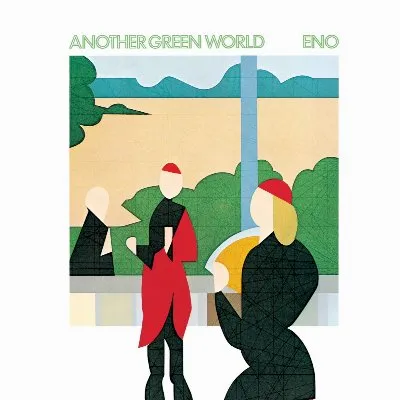
Another Green World
Brian Eno
Blends ambient soundscapes with lyrical storytelling, evoking a sense of longing and experimental charm.
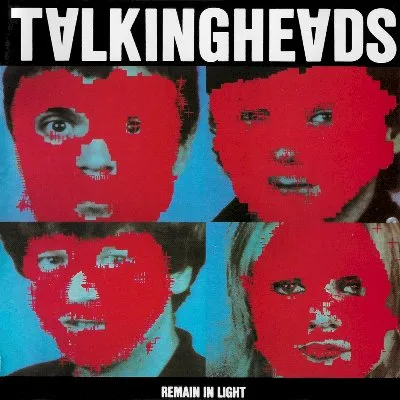
Remain in Light
Talking Heads
Combines art rock with global influences, creating a layered texture that mirrors feelings of dislocation and complexity.
Reference: Wikipedia · MusicBrainz · Wikidata
Sync your library
Everything you track here works immediately — no account needed. Create one when you want to sync across devices.