

Why John Cale Is Worth Your Time
Orchestral art rock and memorable songs, with an experimental edge never far away.
John Cale’s significance in the music landscape is rooted in his fearless exploration of sound and emotion, often serving as a bridge between avant-garde experimentation and popular music sensibilities.
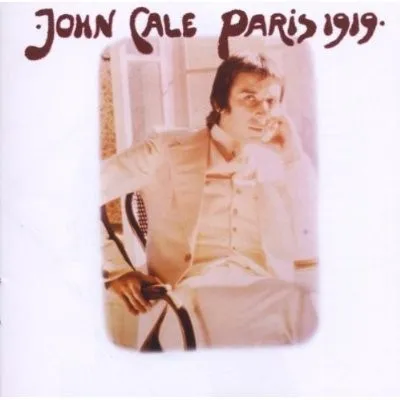
John Cale moves between sharply shaped songs and music that feels unsettled, using piano, strings, and abrasive textures to keep familiar forms off balance. Start with Paris 1919 for his most inviting meeting point of melody, orchestral color, and unease; go further into his harsher work if that tension draws you in.
What they sound like
Cale pairs distinctive, often restrained songwriting with orchestral arrangements and sudden turns toward dissonance or raw intensity. His albums range from tuneful art rock to challenging experimental music.
You'll like this if
You'll connect with Cale if you like melodic songs that feel slightly off-kilter, or want a route from accessible art rock into more adventurous sound.
Start here
Is this for you?
Good fit if you like
- steady pacing for reflective moments
- haunting soundscapes for introspection
- dreamlike journey through themes
- short tracks for focused listening
Maybe skip if you
- seeks high-energy engagement
- prefers standalone hit singles
After this: Honi Soit — Features accessible tracks with a pop sensibility.
Songs to start with
If you'd rather pick a song than an album.
-
1
"Overture: A Tourist / A Contact / A Prisoner" — from Last Day on Earth (1994)
establishes the sonic palette early
-
2
"Hello There" — from Vintage Violence (1970)
accessible entry with immediate hook
-
3
"Taking Your Life in Your Hands" — from Music for a New Society (1982)
establishes the sonic palette early
-
4
"Dead or Alive" — from Honi Soit (1981)
establishes the sonic palette early
-
5
"Hungry for Love" — from Caribbean Sunset (1984)
accessible entry with immediate hook
-
6
"Dancing Undercover" — from Walking on Locusts (1996)
establishes the sonic palette early
Listening paths
Pick a path through John Cale's catalog.
A core journey through John Cale's defining works.
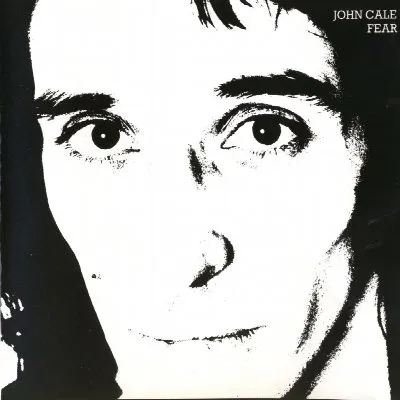
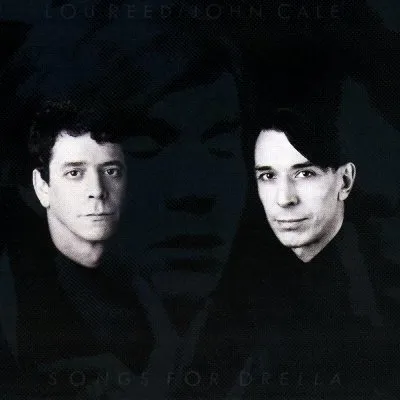
An easy entry into John Cale's diverse sound.
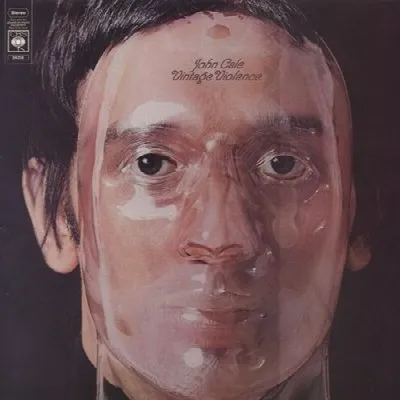
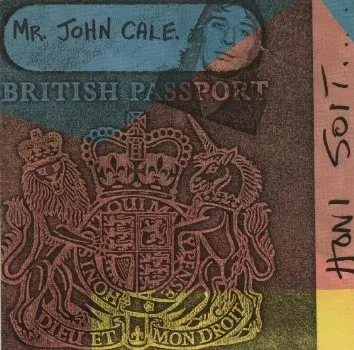
Explore the adventurous and avant-garde side of Cale.
Go deeper
Common questions
Where should I start with John Cale?
Start with Paris 1919 (1973). Paris 1919 is a welcoming first listen because its songs are memorable and its orchestral arrangements make Cale's art-rock sensibility immediately apparent. It offers a strong contrast to his more confrontational records without smoothing away the unusual textures that make his music distinctive.
What does John Cale sound like?
Cale pairs distinctive, often restrained songwriting with orchestral arrangements and sudden turns toward dissonance or raw intensity. His albums range from tuneful art rock to challenging experimental music. Rooted in alternative rock and classical.
Who is John Cale for?
You'll connect with Cale if you like melodic songs that feel slightly off-kilter, or want a route from accessible art rock into more adventurous sound.
How many albums does John Cale have?
John Cale has 57 releases in their discography, including 26 albums and 3 EPs.