

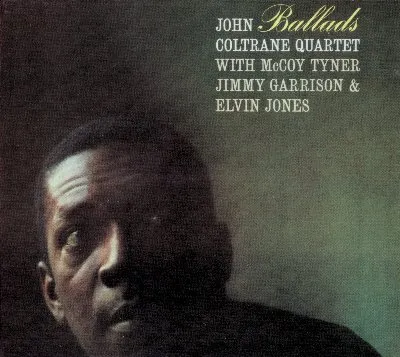
Ballads
John Coltrane · 1963
32 min · 8 tracks · jazz
Coltrane’s tenor saxophone lingers over familiar melodies while the quartet gives each slow turn room to breathe.
Top tracks — play these first
-
→
Say It (Over and Over Again) Start here — The opening track establishes the album’s intimacy: Coltrane shapes the melody with a soft-edged tenor sound while the quartet keeps the pulse unobtrusive.
-
→
You Don’t Know What Love Is — Coltrane stretches the melody’s mournful contours without losing its songlike shape, making the performance a study in tension held at a slow tempo.
-
→
All or Nothing at All — A more insistent rhythmic undercurrent gives the quartet room to push against the ballad setting, with Jones’s drumming adding movement beneath Coltrane’s phrases.
-
→
Nancy (With the Laughing Face) — The closing performance favors a tender, direct statement of the tune, ending the album with an emphasis on Coltrane’s phrasing rather than virtuoso display.
Elevation
Our rating, out of 100 — and why.
AI-generated from five scored dimensions. An opinion, not a measurement.
InstrumentalColtrane's emotive saxophone and lush arrangements create a distinctive and cohesive exploration of ballads.
What we noticed
- The arrangements include lush strings and subtle piano, creating a serene backdrop that complements the saxophone melodies.
- The album maintains a slow to mid-tempo pace throughout, with no abrupt changes in dynamics or tempo.
- Composition 25% of the score
-
8/10
- Craft 20% of the score
-
9/10
- Durability 25% of the score
-
8/10
- Distinctiveness 18% of the score
-
8/10
- Sequencing 12% of the score
-
7/10
the writing — melody, harmony, structure, lyrics
production, performance, arrangement
whether it rewards returning to it
whether it sounds like itself
running order, pacing, length
Significant within its genre. Reported but not counted — how far a record travelled describes its reception rather than the record, and a newer release has had less time to travel than an older one.
Is this for you?
Good fit if you like
- serene exploration of romantic melancholy
- steady pacing for reflective moments
- intimate listening for quiet evenings
- emotive saxophone for deep feelings
Maybe skip if you
- seekers of upbeat tempos
- prefer standalone energetic tracks
Where this album fits
- In the catalog
- Critical Peak — Represents Coltrane's emotional depth and artistic exploration post-'A Love Supreme'.
- Themes
- romantic melancholy· poignant longing· emotive saxophone solos
- Career context
- Released in 1963, Ballads found Coltrane leading the quartet that would soon record A Love Supreme: pianist McCoy Tyner, bassist Jimmy Garrison and drummer Elvin Jones. Its restrained readings of standards offered a contrast to the searching, extended performances associated with his early-1960s work.
- Stylistic neighbors
- Pharoah Sanders· Archie Shepp· Albert Ayler
Tracklist
- 1 Say It (Over and Over Again) Start here 4:20
- 2 You Don’t Know What Love Is 5:17
- 3 Too Young to Go Steady 4:24
- 4 All or Nothing at All 3:39
- 5 I Wish I Knew 4:56
- 6 What’s New? 3:48
- 7 It’s Easy to Remember 2:50
- 8 Nancy (With the Laughing Face) 3:13
What to play next
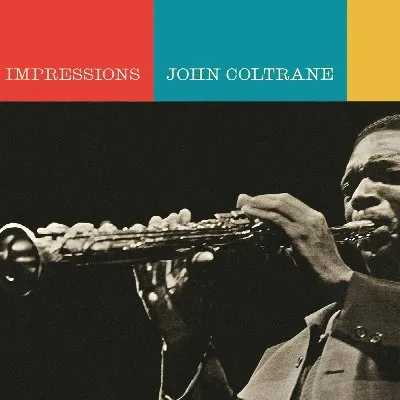
Impressions
1963
Continues the emotive exploration with rich improvisation and deeper sonic textures.
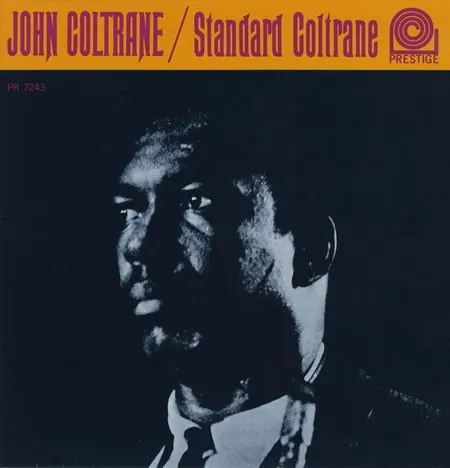
Standard Coltrane
1962
Sets the stage for Coltrane's expressive ballad style leading into Ballads.
If this landed
Records by other artists that run on the same instinct.
Reference: Wikipedia · MusicBrainz · Wikidata
Sync your library
Everything you track here works immediately — no account needed. Create one when you want to sync across devices.