


Photo: Geert Vandepoele · CC BY-SA 2.0
Ornette Coleman
Coleman’s music is characterized by its unpredictable phrasing and daring dissonance, creating tension that gives way to spontaneous communal exploration.
Start here

The song
“Lonely Woman”
An iconic track that captures Coleman's innovative sound and emotional depth, making it an engaging introduction to his music.
Songs to start with
If you'd rather pick a song than an album.
-
1
"Ramblin'" — from Change of the Century (1960)
establishes the sonic palette early
-
2
"Airborne" — from Love Call (1968)
establishes the sonic palette early
-
3
"What Reason Could I Give" — from Science Fiction (1972)
establishes the sonic palette early
-
4
"Music Always" — from To Whom Who Keeps a Record (1975)
accessible entry with immediate hook
-
5
"Blues Connotation" — from This Is Our Music (1961)
establishes the sonic palette early
-
6
"Mary Hartman, Mary Hartman" — from Soapsuds, Soapsuds (1977)
establishes the sonic palette early
About Ornette Coleman
Ornette Coleman revolutionized the jazz landscape, shattering conventional approaches to melody, harmony, and structure.
32 studio albums· 42 total releases· 5 decades· United States
Full discography
Ornette Coleman's albums in order, from earliest releases to latest.
Studio albums (31)
Grouped by decade — 6 eras.
2010s (1)
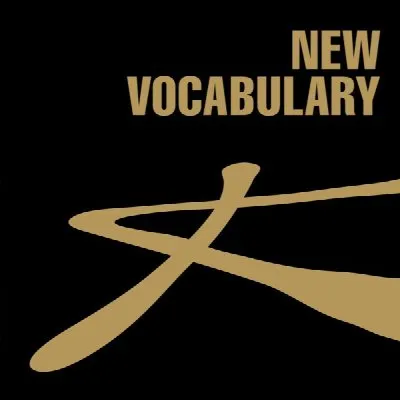
1990s (4)


1980s (5)


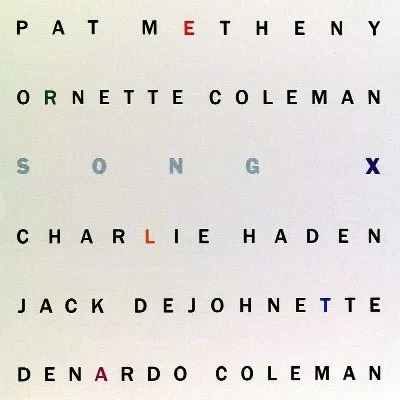


1970s (8)

Body Meta
1978

Soapsuds, Soapsuds
1977

Dancing in Your Head
1977

To Whom Who Keeps a Record
1975

Skies of America
1972

Science Fiction
1972

Twins
1971

The Art of the Improvisers
1970
1960s (10)

Love Call
1968

New York Is Now!
1968

The Music Of Ornette Coleman: Forms And Sounds
1967

The Empty Foxhole
1966

Chappaqua Suite
1965

Ornette!
1962

Ornette on Tenor
1962

Free Jazz: A Collective Improvisation
1961

This Is Our Music
1961

Change of the Century
1960


Live (10)

Sound Grammar
2006
Friends and Neighbors: Live at Prince Street
1972
Prime Design/Time Design

Colors: Live from Leipzig

Opening the Caravan of Dreams

Crisis

Ornette at 12
1969

An Evening with Ornette Coleman
1967

At the Golden Circle Stockholm
1965

Town Hall, 1962
1965
Compilations (1)


No releases match the current filters.
Listen
Follow
Reference
Sync your library
Everything you track here works immediately — no account needed. Create one when you want to sync across devices.