

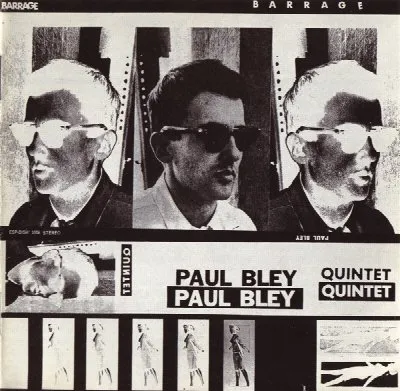
Top tracks — play these first
-
→
Batterie Start here — The opening track introduces the ensemble’s volatile interplay, with percussion helping establish the session’s restless approach to time.
-
→
Ictus — The group treats a compact theme as a springboard for sharp exchanges, making the tension between composition and collective improvisation audible.
-
→
And Now the Queen — Carla Bley’s angular writing gives the horns a distinctive shape to work against the rhythm section’s freedom.
-
→
Barrage — The title track brings the ensemble’s punchy themes and combustible improvising into focus over the album’s longest performance.
Elevation
Our rating, out of 100 — and why.
AI-generated from five scored dimensions. An opinion, not a measurement.
InstrumentalBarrage showcases innovative jazz improvisation while maintaining a cohesive yet experimental sound.
What we noticed
- The album features a series of tracks that blend free improvisation with structured rhythmic patterns, creating a dynamic tension throughout.
- Each track varies in length and intensity, with some pieces like 'Batterie' starting with percussive elements before transitioning into more melodic explorations.
- The interplay between the musicians is highly interactive, often leading to spontaneous shifts in tempo and mood, particularly evident in 'Walking Woman'.
- Composition 25% of the score
-
7/10
- Craft 20% of the score
-
8/10
- Durability 25% of the score
-
6/10
- Distinctiveness 18% of the score
-
8/10
- Sequencing 12% of the score
-
5/10
the writing — melody, harmony, structure, lyrics
production, performance, arrangement
whether it rewards returning to it
whether it sounds like itself
running order, pacing, length
Significant within its genre. Reported but not counted — how far a record travelled describes its reception rather than the record, and a newer release has had less time to travel than an older one.
Is this for you?
Good fit if you like
- steady pacing for focused listening
- intricate melodies inviting deep thought
- spontaneous improvisation encourages exploration
- consistent flow throughout the album
Maybe skip if you
- prefer instant gratification tracks
- seek standalone catchy singles
Where this album fits
- In the catalog
- Experimental — Marks a shift to avant-garde jazz, showcasing innovative improvisation techniques.
- Themes
- avant-garde experimentation· ECM label innovation· spontaneous improvisation
- Career context
- Released in 1965, Barrage found Canadian pianist Paul Bley working in the New York free-jazz scene after his late-1950s association with Ornette Coleman. The ESP-Disk session paired him with musicians including alto saxophonist Marshall Allen and drummer Milford Graves, playing material associated with composer Carla Bley.
- Stylistic neighbors
- Andrew Hill· Ran Blake· Lennie Tristano
Tracklist
- 1 Batterie Start here 4:15
- 2 Ictus 5:21
- 3 And Now the Queen 4:19
- 4 Around Again 4:12
- 5 Walking Woman 4:14
- 6 Barrage 5:32
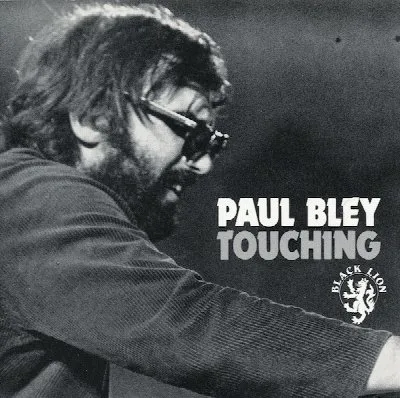

If this landed
Records by other artists that run on the same instinct.
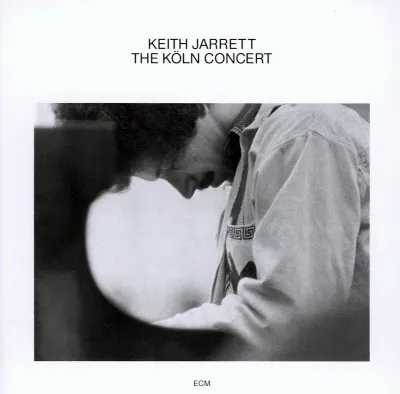
The Köln Concert
Keith Jarrett
Shares spontaneous improvisation and a free-flowing, avant-garde spirit in jazz.

Return to Forever
Chick Corea
Merges intricate melodies with experimental elements, reflecting the ECM ethos of innovation.
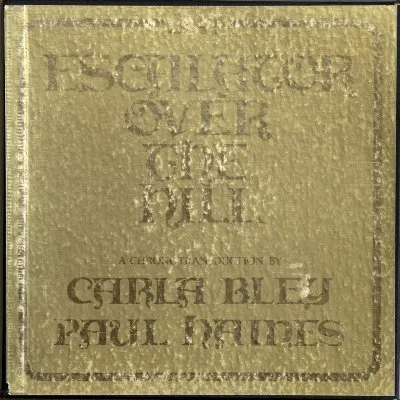
Escalator over the Hill
Carla Bley
Explores avant-garde jazz with an emphasis on improvisation and unique compositions.
Reference: Wikipedia · MusicBrainz · Wikidata
Sync your library
Everything you track here works immediately — no account needed. Create one when you want to sync across devices.