


Changes
David Bowie · 1972
6 min · 2 tracks · alternative rock
A kaleidoscopic blend of art rock and glam, infused with introspective lyrics and infectious melodies that define a transformative era.
Top tracks — play these first
-
→
Changes — The title track encapsulates the album's theme of self-transformation, featuring an iconic melody and anthemic chorus that invites listeners to embrace change.
-
→
Andy Warhol — This track highlights Bowie's fascination with celebrity culture, blending innovative sounds with sharp lyrics that critique fame and artistic identity.
Elevation
Our rating, out of 100 — and why.
AI-generated from five scored dimensions. An opinion, not a measurement.
This single showcases strong songwriting and production, marking a key moment in Bowie's evolving artistry.
What we noticed
- The title track 'Changes' features a prominent piano riff that drives the melody, while 'Andy Warhol' employs a more rhythmic, percussive approach with layered vocals.
- Both tracks utilize dynamic shifts in instrumentation, with 'Changes' building to a climactic finish and 'Andy Warhol' maintaining a steady groove throughout.
- The lyrics in 'Changes' focus on themes of identity and transformation, contrasting with the more playful and observational tone of 'Andy Warhol'.
- Composition 25% of the score
-
7/10
- Craft 20% of the score
-
8/10
- Durability 25% of the score
-
6/10
- Distinctiveness 18% of the score
-
8/10
- Sequencing 12% of the score
-
5/10
the writing — melody, harmony, structure, lyrics
production, performance, arrangement
whether it rewards returning to it
whether it sounds like itself
running order, pacing, length
Significant within its genre. Reported but not counted — how far a record travelled describes its reception rather than the record, and a newer release has had less time to travel than an older one.
Where this album fits
- In the catalog
- Breakthrough — Marked a pivotal moment in Bowie's career, leading to wider recognition.
- Themes
- glam rock transformation· Andy Warhol's influence· artistic identity exploration
- Career context
- By the time 'Changes' was released in January 1972, David Bowie was transitioning from his early career into the groundbreaking phase of Ziggy Stardust. This album marked a pivotal moment as it solidified his persona and musical style, which would come to define the glam rock movement, following the release of his earlier works like 'Hunky Dory.'
- Stylistic neighbors
- Brian Eno· Roxy Music· Talking Heads
Tracklist
Best experienced from track one — press play and let it unfold.
- 1 Changes 3:34
- 2 Andy Warhol 3:03

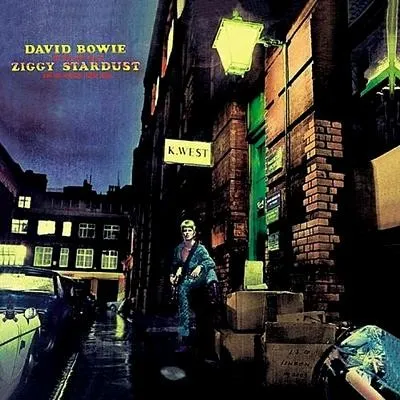
If this landed
Records by other artists that run on the same instinct.

Electric Warrior
T. Rex
Shares glam rock energy and themes of transformation and identity with catchy hooks.

For Your Pleasure
Roxy Music
Blends art pop and glam aesthetics, exploring themes of desire and artistic persona.
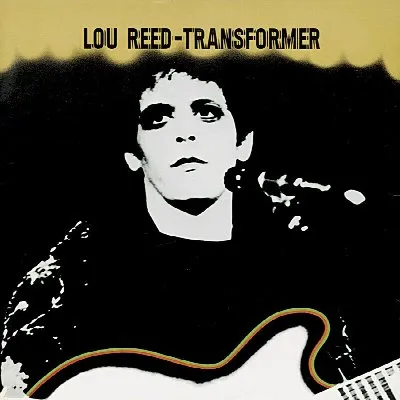
Transformer
Lou Reed
Explores identity and change through avant-garde rock with a theatrical flair.
Reference: Wikipedia · MusicBrainz · Wikidata
Sync your library
Everything you track here works immediately — no account needed. Create one when you want to sync across devices.