

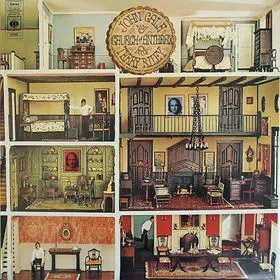
Church of Anthrax
John Cale · 1971
33 min · 5 tracks · alternative rock
A mesmerizing blend of avant-garde textures and minimalist classical arrangements, evoking a sense of experimental introspection.
Top tracks — play these first
-
→
Church of Anthrax Start here — The title track sets the tone for the entire album with its haunting melodies and intricate layering, encapsulating the essence of Cale's avant-garde approach.
-
→
The Hall of Mirrors in the Palace at Versailles — This track features complex arrangements that evoke a sense of grandeur and introspection, reflecting Cale's skill in merging classical motifs with modern sensibilities.
-
→
Ides of March — Clocking in at over eleven minutes, this piece exemplifies Cale's talent for building tension through repetition and gradual evolution, drawing listeners into a meditative state.
Elevation
Our rating, out of 100 — and why.
AI-generated from five scored dimensions. An opinion, not a measurement.
The album's blend of minimalism and rock creates a unique sound that stands out in its era.
What we noticed
- The album opens with a title track that blends spoken word and minimalist instrumentation, setting a tone of introspective exploration.
- Each track features extended instrumental passages, often using drones and repetitive motifs that create a meditative atmosphere.
- The final two tracks introduce more dynamic shifts in tempo and texture, contrasting with the earlier, more static pieces.
- Composition 25% of the score
-
7/10
- Craft 20% of the score
-
8/10
- Durability 25% of the score
-
6/10
- Distinctiveness 18% of the score
-
8/10
- Sequencing 12% of the score
-
7/10
the writing — melody, harmony, structure, lyrics
production, performance, arrangement
whether it rewards returning to it
whether it sounds like itself
running order, pacing, length
Significant within its genre. Reported but not counted — how far a record travelled describes its reception rather than the record, and a newer release has had less time to travel than an older one.
Is this for you?
Good fit if you like
- steady pacing with gradual builds
- haunting soundscapes for reflection
- immersive experience through listening
- delicate interplay of textures
Maybe skip if you
- seeks upbeat, instant gratification
- prefers concise, standalone tracks
Where this album fits
- In the catalog
- Experimental — Showcases a departure into avant-garde and minimalist styles, influencing future experimental music.
- Career context
- Released on February 10, 1971, 'Church of Anthrax' is John Cale's first collaborative album with Terry Riley, showcasing his transition into more experimental territory following his departure from The Velvet Underground. At this point in his career, Cale was exploring a wider range of influences, moving beyond rock into the realms of classical and avant-garde music.
- Stylistic neighbors
- Brian Eno· Lou Reed· David Bowie
Moments worth listening for
Where the writing does something specific.
-
The Soul of Patrick Lee
In this track, the narrative shifts from abstract imagery to a more personal reflection on identity and existence.
The juxtaposition between surreal descriptions and intimate self-exploration marks a significant turning point in Cale's lyrical approach.
Tracklist
- 1 Church of Anthrax Start here 9:05
- 2 The Hall of Mirrors in the Palace at Versailles 7:59
- 3 The Soul of Patrick Lee 2:49
- 4 Ides of March 11:03
- 5 The Protege 2:51
Reference: Wikipedia · MusicBrainz · Wikidata
Sync your library
Everything you track here works immediately — no account needed. Create one when you want to sync across devices.