

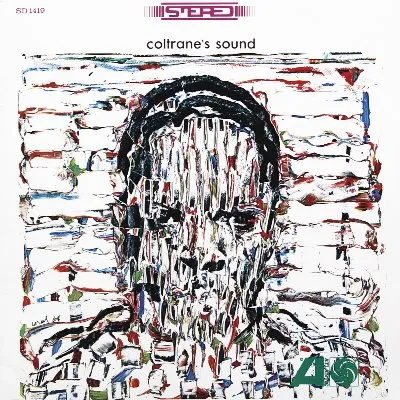
Coltrane's Sound
John Coltrane · 1960
50 min · 8 tracks · jazz
A rich tapestry of modal explorations intertwined with Coltrane's signature fervent improvisation and emotive depth.
Top tracks — play these first
-
→
Equinox — This track exemplifies Coltrane's modal jazz style, featuring an intricate interplay between the musicians that enhances its meditative quality. Its haunting melody sets a profound emotional tone that resonates throughout the album.
-
→
The Night Has a Thousand Eyes Start here — With its complex harmonic structure and expressive improvisation, this track showcases Coltrane's mastery of tension and release, making it a standout example of his evolving sound during this period.
-
→
Liberia — This composition highlights Coltrane's interest in world music influences, blending African rhythms with jazz elements to create a unique soundscape that reflects his expanding musical horizons.
Is this for you?
Good fit if you like
- meditative exploration of sound
- wave-like pacing with peaks
- deeply emotive melodic journeys
- reflective moments of improvisation
Maybe skip if you
- prefer fast-paced excitement
- seek standalone tracks only
Where this album fits
- In the catalog
- Critical Peak — Represents a significant artistic evolution in Coltrane's sound during his peak years.
- Themes
- modal improvisation· Central Park introspection· emotive melodies
- Career context
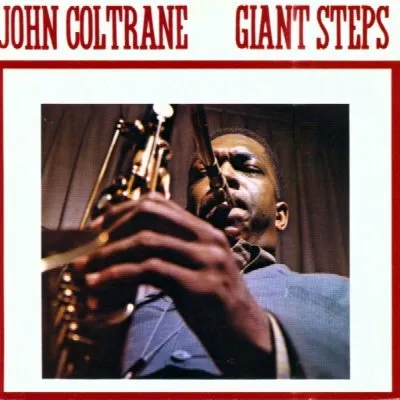
- Released in 1960, Coltrane's Sound came during a transformative period for John Coltrane, following his groundbreaking album Giant Steps from the previous year. At this point, he was solidifying his place as a leading figure in jazz, pushing boundaries beyond traditional forms into more experimental realms.
- Stylistic neighbors
- Pharoah Sanders· Ornette Coleman· Albert Ayler
Tracklist
- 1 The Night Has a Thousand Eyes Start here 6:49
- 2 Central Park West 4:13
- 3 Liberia 6:49
- 4 Body and Soul 5:37
- 5 Equinox 8:34
- 6 Satellite 5:50
- 7 26-2 6:13
- 8 Body and Soul (alternate take) 5:57
If this landed
Records by other artists that run on the same instinct.
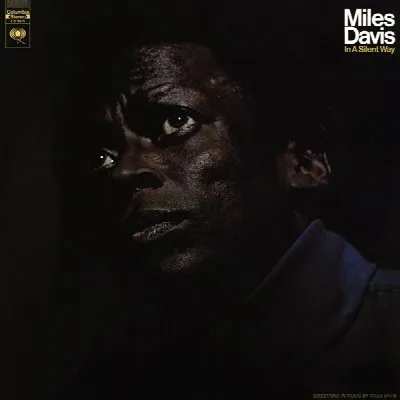
In a Silent Way
Miles Davis
Explores modal jazz with a meditative, atmospheric quality and intricate improvisation.
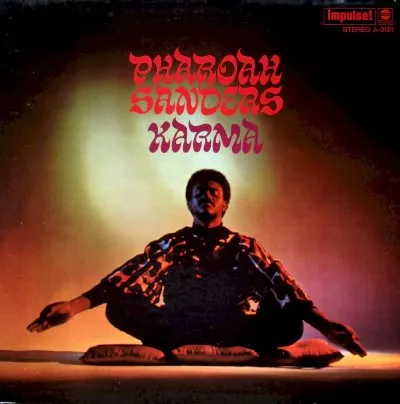
Karma
Pharoah Sanders
Shares the same emotive exploration and spiritual depth within modal frameworks.
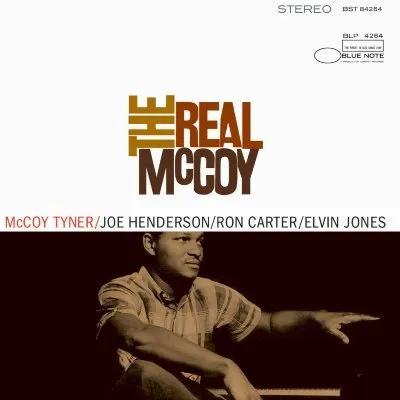
The Real McCoy
McCoy Tyner
Features complex harmonies and introspective melodies, echoing Coltrane's modal explorations.
Reference: Wikipedia · MusicBrainz · Wikidata
Sync your library
Everything you track here works immediately — no account needed. Create one when you want to sync across devices.