

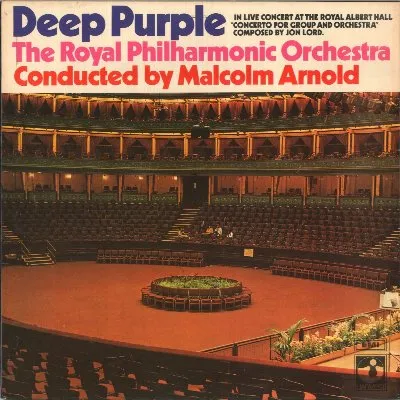
Concerto for Group and Orchestra
Deep Purple · 1969
78 min · 5 tracks · hard rock
A bold fusion of rock and orchestral arrangements that showcases the band's virtuosity and experimental spirit.
Top tracks — play these first
-
→
Concerto for Group and Orchestra: I. Moderato – Allegro — This track exemplifies the album's groundbreaking blend of rock instrumentation with orchestral composition, showcasing the band’s technical prowess and ambition.
-
→
Child in Time — A powerful anti-war anthem, this track highlights the band's ability to convey deep emotional messages through its dynamic structure and haunting vocals.
-
→
Wring That Neck Start here — Instrumental yet gripping, this track captures the essence of Deep Purple's heavy sound while allowing for improvisational freedom amid orchestral backing.
Elevation
Our rating, out of 100 — and why.
AI-generated from five scored dimensions. An opinion, not a measurement.
This album's ambitious blend of rock and classical elements creates a unique listening experience.
What we noticed
- The first two tracks are purely rock compositions, while the last three tracks are structured as a classical concerto with distinct movements.
- The orchestral sections feature strings and brass that interact dynamically with the electric guitar and organ, creating contrasting textures.
- Each movement of the concerto has its own tempo and mood, shifting from the energetic 'Moderato – Allegro' to the more subdued 'Andante'.
- Composition 25% of the score
-
8/10
- Craft 20% of the score
-
7/10
- Durability 25% of the score
-
6/10
- Distinctiveness 18% of the score
-
9/10
- Sequencing 12% of the score
-
5/10
the writing — melody, harmony, structure, lyrics
production, performance, arrangement
whether it rewards returning to it
whether it sounds like itself
running order, pacing, length
Significant within its genre. Reported but not counted — how far a record travelled describes its reception rather than the record, and a newer release has had less time to travel than an older one.
Is this for you?
Good fit if you like
- epic extended musical explorations
- dramatic shifts in intensity
- immersive orchestral and group fusion
- cathartic crescendos and releases
Maybe skip if you
- prefer short, standalone tracks
- seek quick, instant gratification
Where this album fits
- In the catalog
- Breakthrough — This album showcased a pioneering fusion of rock and classical music, gaining wider recognition.
- Themes
- 1960s social unrest· orchestral rock experimentation
- Career context
- Released on December 1, 1969, this album marked Deep Purple's ambitious attempt to blend rock with classical music elements. It followed their successful album 'Shades of Deep Purple' and positioned them as pioneers in the progressive rock genre, showcasing their growing artistic aspirations as they sought to expand beyond conventional rock boundaries.
- Stylistic neighbors
- Led Zeppelin· Black Sabbath· Rainbow
Moments worth listening for
Where the writing does something specific.
-
Child in Time
The narrative shifts from observational to a direct plea against war, emphasizing urgency through escalating intensity in both instrumentation and delivery.
This transition not only amplifies the song’s emotional weight but also showcases the band’s knack for blending powerful themes with complex musical arrangements.
Tracklist
- 1 Wring That Neck Start here 12:50
- 2 Child in Time 12:27
- 3 Concerto for Group and Orchestra: I. Moderato – Allegro 19:05
- 4 Concerto for Group and Orchestra: II. Andante 19:00
- 5 Concerto for Group and Orchestra: III. Vivace – Presto 15:24
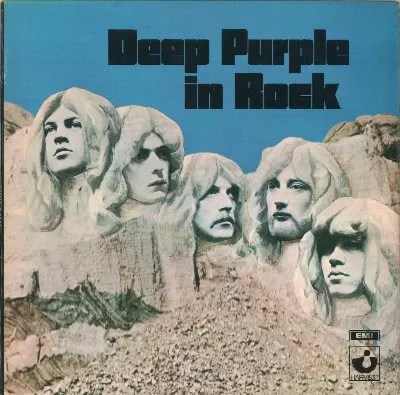
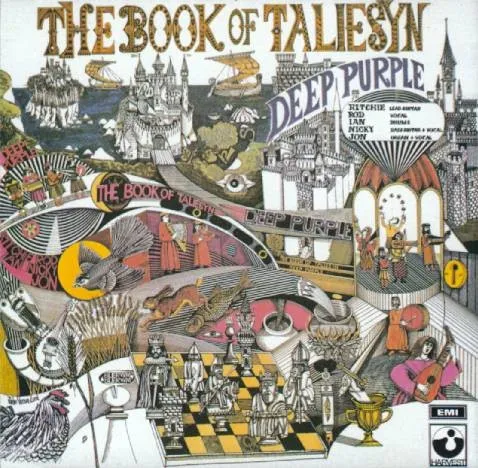
If this landed
Records by other artists that run on the same instinct.
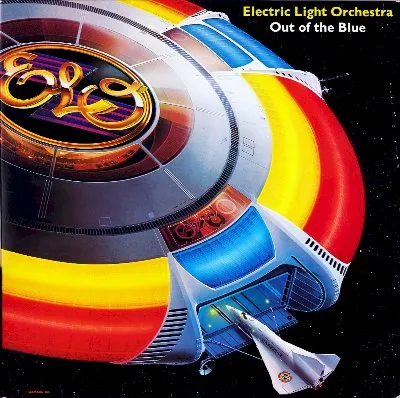
Out of the Blue
Electric Light Orchestra
Blends orchestral arrangements with rock elements, creating a similarly ambitious sound landscape.
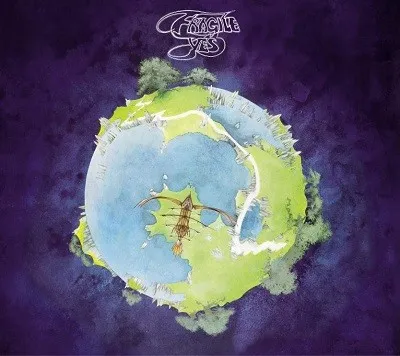
Fragile
Yes
Features intricate compositions and a blend of rock and classical influences, echoing Deep Purple's experimentalism.
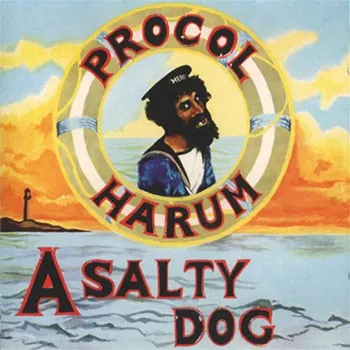
A Salty Dog
Procol Harum
Combines rock with classical motifs and lyrical depth, resonating with the fusion approach of Deep Purple.
Reference: Wikipedia · MusicBrainz · Wikidata
Sync your library
Everything you track here works immediately — no account needed. Create one when you want to sync across devices.