

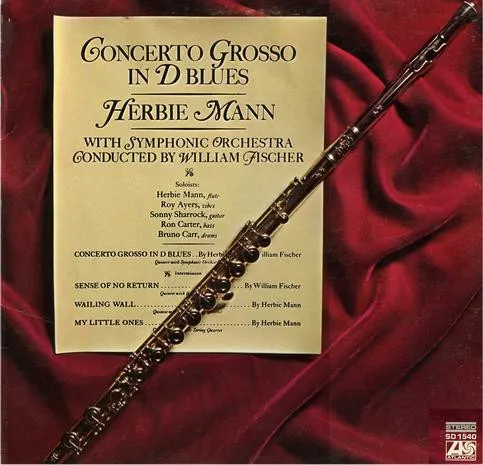
Concerto Grosso in D Blues
Herbie Mann · 1969
50 min · 4 tracks · jazz
An ambitious fusion of jazz and classical, weaving intricate melodies through dynamic improvisation and world music influences.
Top tracks — play these first
-
→
Concerto Grosso in D Blues — The title track serves as the album's centerpiece, showcasing a lengthy orchestral arrangement that beautifully interlaces jazz improvisation with classical motifs, creating a unique listening experience.
-
→
Wailing Wall — This track features a haunting melody that allows for profound emotional expression through Mann's flute work, encapsulating the album's thematic depth and musical exploration.
-
→
Sense of No Return — With its rhythmic complexity and engaging harmonies, this track highlights Mann's adeptness at blending different genres while retaining a cohesive sound throughout the album.
Elevation
Our rating, out of 100 — and why.
AI-generated from five scored dimensions. An opinion, not a measurement.
InstrumentalThe album combines jazz improvisation with orchestral depth, creating a unique sound within its genre.
What we noticed
- Each track varies in tempo and mood, with 'Concerto Grosso in D Blues' opening with a slow build that transitions into more energetic sections.
- The final track, 'My Little Ones', concludes with a gentle fade-out, contrasting the more intense earlier pieces.
- Composition 25% of the score
-
7/10
- Craft 20% of the score
-
8/10
- Durability 25% of the score
-
6/10
- Distinctiveness 18% of the score
-
8/10
- Sequencing 12% of the score
-
7/10
the writing — melody, harmony, structure, lyrics
production, performance, arrangement
whether it rewards returning to it
whether it sounds like itself
running order, pacing, length
Little footprint beyond its audience. Reported but not counted — how far a record travelled describes its reception rather than the record, and a newer release has had less time to travel than an older one.
Where this album fits
- In the catalog
- Experimental — Represents a bold fusion of jazz and classical, deviating from Mann's established sound.
- Themes
- orchestral improvisation· world music influences
- Career context
- By the time of its release in 1969, Herbie Mann was already a notable figure in the jazz scene, having achieved recognition with his previous albums. 'Concerto Grosso in D Blues' represents a bold artistic evolution as it merges jazz improvisation with classical forms, showcasing Mann's versatility and willingness to experiment beyond traditional genre boundaries.
- Stylistic neighbors
- Chick Corea· Stan Getz· Weather Report
Tracklist
Best experienced from track one — press play and let it unfold.
- 1 Concerto Grosso in D Blues 28:12
- 2 Sense of No Return 5:10
- 3 Wailing Wall 9:42
- 4 My Little Ones 7:08

If this landed
Records by other artists that run on the same instinct.
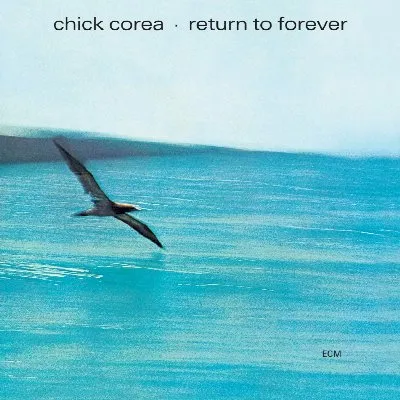
Return to Forever
Chick Corea
Explores jazz fusion with orchestral arrangements and world influences, similar improvisational spirit.
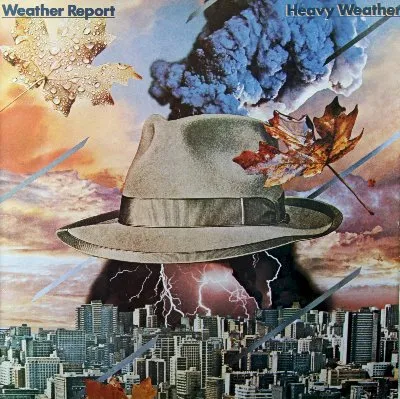
Heavy Weather
Weather Report
Merges jazz with diverse global sounds and dynamic improvisation, reflecting a bold experimental approach.
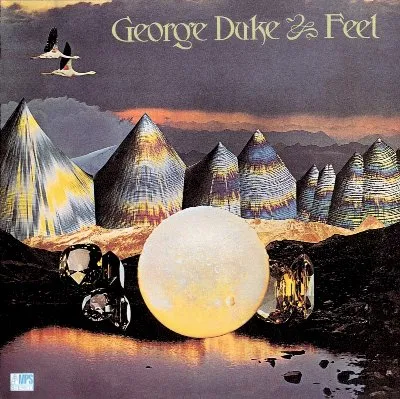
Feel (George Duke album)
George Duke
Combines jazz, funk, and orchestral elements with rich melodies and improvisational flair, echoing Mann's style.
Reference: Wikipedia · MusicBrainz · Wikidata
Sync your library
Everything you track here works immediately — no account needed. Create one when you want to sync across devices.