

Why Herbie Mann Is Worth Your Time
Experience the rhythmic vitality of Herbie Mann's music.
Herbie Mann stands as a pivotal figure in the evolution of jazz, embodying an ethos that bridges traditional forms with contemporary expressions.
Herbie Mann transformed the jazz landscape by incorporating global rhythms and textures into his music. His adventurous spirit and innovative use of the flute create a vibrant sound that resonates with both jazz aficionados and casual listeners alike. Exploring Mann's work opens doors to a diverse musical world that blends traditional jazz with bossa nova, disco, and more.
What they sound like
Herbie Mann's music features lively grooves and intricate textures, often led by his signature flute playing. His work fuses elements of jazz with various cultural sounds, creating an engaging listening experience.
You'll like this if
You'll connect with this if you enjoy rhythm-driven music that crosses genres or if you're curious about how jazz interacts with global influences.
Start here
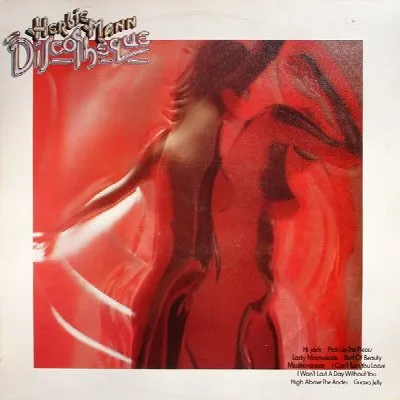
Is this for you?
Good fit if you like
- dance floor grooves with flair
- vibrant energy for celebration
- dynamic flow with peaks
- uplifting tracks for socializing
Maybe skip if you
- prefer slower, introspective music
- seek minimalistic soundscapes
Songs to start with
If you'd rather pick a song than an album.
-
1
"The Sweetest Sounds" — from Richard Rodgers’ No Strings. An After‐Theatre Version (1962)
accessible entry with immediate hook
-
2
"Yardbird Suite" — from Yardbird Suite (1957)
establishes the sonic palette early
-
3
"Hi-Jack" — from Discothèque (1975)
establishes the sonic palette early
-
4
"A Man and a Woman" — from A Mann & a Woman (1967)
establishes the sonic palette early
-
5
"Right Now" — from Right Now (1962)
accessible entry with immediate hook
-
6
"Memphis Underground" — from Memphis Underground (1969)
establishes the sonic palette early
Listening paths
Pick a path through Herbie Mann's catalog.
Explore the key albums that define Herbie Mann's artistry.



Start with these approachable albums for casual listeners.


Dive deep into Herbie Mann's boldest and most innovative works.
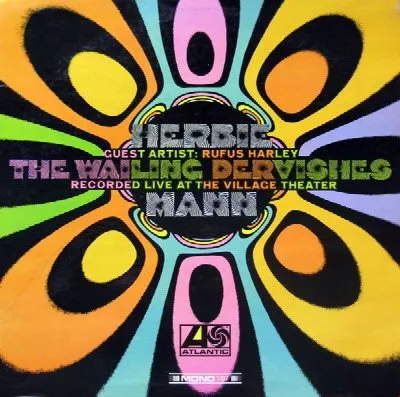

Go deeper
Common questions
Where should I start with Herbie Mann?
Start with Discothèque (1975). 'Discothèque' serves as a introduction to Herbie Mann's style, featuring infectious beats and a captivating mix of sounds that illustrate his innovative approach. Its blend of genres makes it approachable for new listeners while still being rich in complexity.
What does Herbie Mann sound like?
Herbie Mann's music features lively grooves and intricate textures, often led by his signature flute playing. His work fuses elements of jazz with various cultural sounds, creating an engaging listening experience. Rooted in jazz fusion and disco.
Who is Herbie Mann for?
You'll connect with this if you enjoy rhythm-driven music that crosses genres or if you're curious about how jazz interacts with global influences.
How many albums does Herbie Mann have?
Herbie Mann has 108 releases in their discography, including 108 albums.