


Crisis
44 min · 5 tracks · jazz
An avant-garde exploration where free jazz meets complex structures, creating an unpredictable yet harmonious sonic landscape.
Top tracks — play these first
-
→
Broken Shadows Start here — This track opens the album with a dynamic interplay between the ensemble, setting the tone for the exploratory nature of the record. Its intricate melodies and rhythmic complexity exemplify Coleman’s unique approach to free jazz.
-
→
Comme il faut — As one of the longest tracks on the album, it showcases extended improvisation that challenges traditional jazz forms. The piece's fluidity allows for deep musical conversations among the players, highlighting Coleman's visionary compositional style.
-
→
Song for Che — This piece pays tribute to revolutionary figures while incorporating both somber and spirited elements, reflecting Coleman's ability to fuse political themes with musical expression. Its emotional depth resonates throughout its unfolding structure.
Is this for you?
Good fit if you like
- intricate explorations of musical space
- patient unfolding of complex themes
- immersive late-night listening sessions
- cathartic moments of sonic release
Maybe skip if you
- prefer concise, straightforward tracks
- want constant high-energy tempos
Where this album fits
- In the catalog
- Breakthrough — This album marks a significant step in Coleman's recognition and innovation in jazz.
- Career context
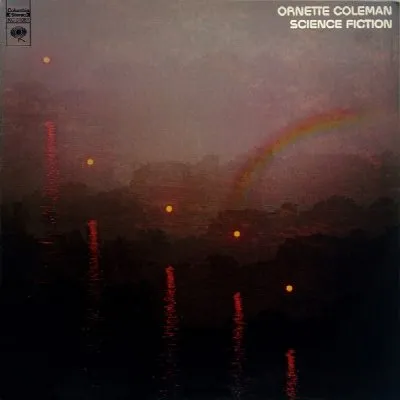
- Released in 1978, Crisis marked Ornette Coleman's return to the recording scene after a five-year hiatus. It followed his album Science Fiction and showcased his continued evolution in the avant-garde jazz movement, as Coleman experimented with new compositional approaches and ensemble dynamics.
- Stylistic neighbors
- Albert Ayler· John Coltrane· Cecil Taylor
Tracklist
- 1 Broken Shadows Start here 6:10
- 2 Comme il faut 14:33
- 3 Song for Che 11:39
- 4 Space Jungle 5:30
- 5 Trouble in the East 6:47

Reference: Wikipedia · MusicBrainz · Wikidata
Sync your library
Everything you track here works immediately — no account needed. Create one when you want to sync across devices.