


Crossings
Herbie Hancock · 1972
46 min · 3 tracks · classical music
A cosmic journey through jazz fusion, blending intricate melodies with experimental textures and rhythms.
Top tracks — play these first
-
→
Sleeping Giant — Spanning nearly 25 minutes, this track serves as the album's centerpiece, featuring expansive improvisation and a dynamic interplay between musicians that encapsulates the essence of jazz fusion.
-
→
Quasar — This track stands out with its rhythmic complexity and electronic influences, representing Hancock’s shift towards blending traditional jazz with futuristic sounds.
-
→
Water Torture — With its haunting themes and intricate arrangements, this piece showcases Hancock's ability to fuse emotional depth with innovative musical structures.
Elevation
Our rating, out of 100 — and why.
AI-generated from five scored dimensions. An opinion, not a measurement.
InstrumentalThe album showcases intricate compositions and pioneering use of synthesizers, marking a significant step in jazz fusion.
What we noticed
- The album features extended compositions, with each track exceeding ten minutes, allowing for deep exploration of themes.
- Improvisation plays a key role, with musicians frequently diverging from established melodies to create spontaneous soundscapes.
- Composition 25% of the score
-
8/10
- Craft 20% of the score
-
9/10
- Durability 25% of the score
-
7/10
- Distinctiveness 18% of the score
-
8/10
- Sequencing 12% of the score
-
6/10
the writing — melody, harmony, structure, lyrics
production, performance, arrangement
whether it rewards returning to it
whether it sounds like itself
running order, pacing, length
Significant within its genre. Reported but not counted — how far a record travelled describes its reception rather than the record, and a newer release has had less time to travel than an older one.
Where this album fits
- In the catalog
- Experimental — Represents a bold departure with pioneering electronic textures in jazz.
- Themes
- cosmic soundscapes· electronic jazz fusion· avant-garde experimentation
- Career context
- Released in 1972, Crossings marks a significant phase in Herbie Hancock's career as he transitioned from acoustic jazz to a more avant-garde, electric sound. This album followed his acclaimed work on Head Hunters, showcasing Hancock's innovative approach to jazz fusion during this period of artistic exploration.
- Stylistic neighbors
- Chick Corea· Joe Zawinul· George Duke
Tracklist
Best experienced from track one — press play and let it unfold.
- 1 Sleeping Giant 24:48
- 2 Quasar 7:25
- 3 Water Torture 13:54
What to play next
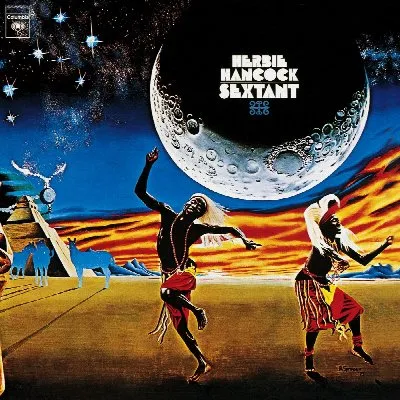
Sextant
1973
Continues the exploration of electronic textures and avant-garde elements.
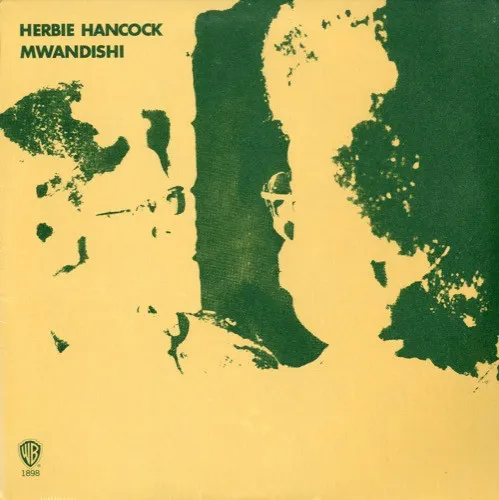
Mwandishi
1971
Sets the stage for the cosmic blend found in Crossings.
If this landed
Records by other artists that run on the same instinct.
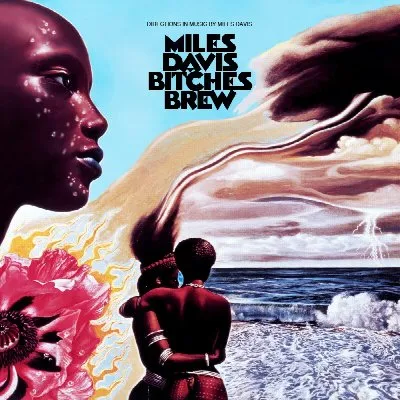
Bitches Brew
Miles Davis
Explores similar cosmic soundscapes, blending jazz with electronic elements and avant-garde experimentation.
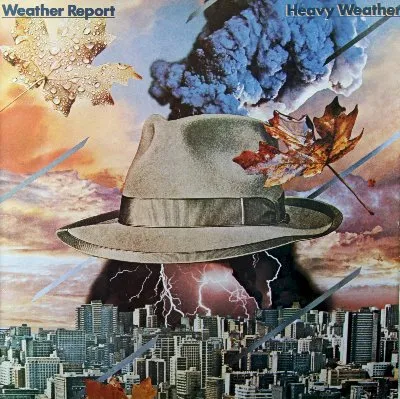
Heavy Weather
Weather Report
Features intricate fusion of jazz and electronic textures, embodying a creative, exploratory spirit.
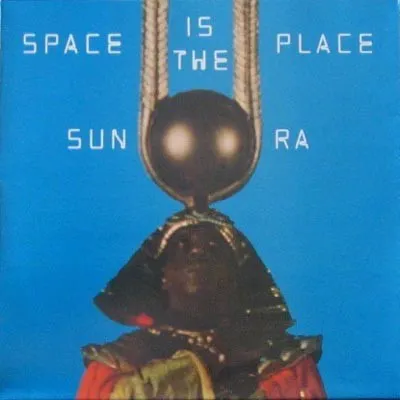
Space Is the Place
Sun Ra
Shares a cosmic aesthetic and avant-garde approach, merging jazz with otherworldly themes and sounds.
Reference: Wikipedia · MusicBrainz · Wikidata
Sync your library
Everything you track here works immediately — no account needed. Create one when you want to sync across devices.