


Mwandishi
Herbie Hancock · 1971
44 min · 3 tracks · classical music
A cosmic blend of jazz fusion, where ethereal melodies and intricate rhythms create a transcendent listening experience.
Top tracks — play these first
-
→
Ostinato (Suite for Angela) — This track showcases Hancock's unique blending of melodic themes with rhythmic complexity, setting the tone for the innovative sound of the album.
-
→
You'll Know When You Get There — The exploration of space within this piece highlights Hancock's ability to create tension and resolution through improvisation and intricate layers.
-
→
Wandering Spirit Song — As the longest track on the album, it beautifully encapsulates Hancock's fusion of jazz with spiritual motifs, creating an otherworldly atmosphere.
Elevation
Our rating, out of 100 — and why.
AI-generated from five scored dimensions. An opinion, not a measurement.
InstrumentalMwandishi showcases intricate compositions and innovative use of synthesizers, marking a distinct evolution in jazz fusion.
What we noticed
- The album features extended compositions, with each track exceeding ten minutes, allowing for deep exploration of themes.
- Synthesizers are prominently used throughout, creating layered textures that shift and evolve over the course of each piece.
- Composition 25% of the score
-
8/10
- Craft 20% of the score
-
9/10
- Durability 25% of the score
-
8/10
- Distinctiveness 18% of the score
-
9/10
- Sequencing 12% of the score
-
7/10
the writing — melody, harmony, structure, lyrics
production, performance, arrangement
whether it rewards returning to it
whether it sounds like itself
running order, pacing, length
Significant within its genre. Reported but not counted — how far a record travelled describes its reception rather than the record, and a newer release has had less time to travel than an older one.
Where this album fits
- In the catalog
- Experimental — Marks Hancock's shift to avant-garde jazz, influencing future genres.
- Themes
- avant-garde jazz fusion· electronic experimentation· improvisational dialogue
- Moods
- Ethereal· Introspective
- Career context
- In 1971, Herbie Hancock was transitioning from his famous work with the Miles Davis Quintet to a solo career that embraced experimental jazz fusion. Mwandishi was his fifth studio album, marking a significant shift in his artistic direction towards more avant-garde and electronic sounds, following the commercial success of albums like Head Hunters.
- Stylistic neighbors
- Chick Corea· Weather Report· Miles Davis
Tracklist
Best experienced from track one — press play and let it unfold.
- 1 Ostinato (Suite for Angela) 13:05
- 2 You'll Know When You Get There 10:01
- 3 Wandering Spirit Song 21:23


If this landed
Records by other artists that run on the same instinct.
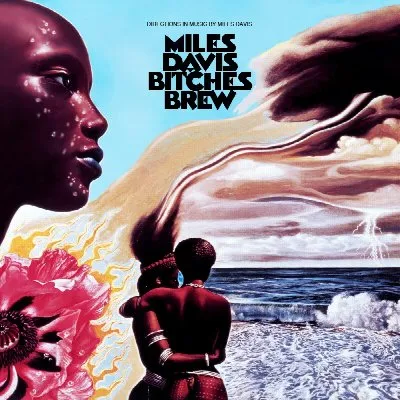
Bitches Brew
Miles Davis
Shares the same experimental jazz fusion ethos with a focus on electric instruments and improvisation.

Space Is the Place
Sun Ra
Explores avant-garde jazz with cosmic themes and innovative soundscapes, akin to Hancock's electronic explorations.

Return to Forever
Chick Corea
Combines intricate melodies and electronic elements, echoing the complex rhythms of Hancock's fusion approach.
Reference: Wikipedia · MusicBrainz · Wikidata
Sync your library
Everything you track here works immediately — no account needed. Create one when you want to sync across devices.