

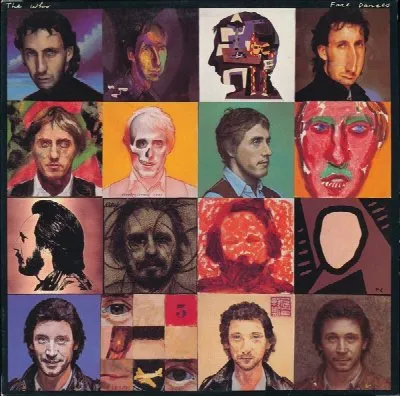
Top tracks — play these first
-
→
You Better You Bet Start here — Townshend’s choppy guitar and bright keyboard figures frame Daltrey’s insistent vocal, making the album’s polished but restless sound immediately audible.
-
→
The Quiet One — John Entwistle takes the lead on his own composition, pushing back against his reserved public image over a brisk, hard-edged band performance.
-
→
How Can You Do It Alone — A wiry groove carries Townshend’s uneasy study of isolation and sexual frustration, balancing the record’s accessible sound with its more uncomfortable writing.
-
→
Another Tricky Day — The original album’s closing track moves from a measured opening toward a fuller band arrangement, giving its advice about adversity an unusually patient delivery.
Elevation
Our rating, out of 100 — and why.
AI-generated from five scored dimensions. An opinion, not a measurement.
The album showcases a polished sound with varied tempos but lacks the depth and cohesion of earlier works.
What we noticed
- The first three tracks maintain a brisk tempo, while the fourth track introduces a slower, more reflective mood.
- Several tracks employ layered vocal harmonies, particularly in the choruses, enhancing the melodic complexity.
- Composition 25% of the score
-
6/10
- Craft 20% of the score
-
7/10
- Durability 25% of the score
-
5/10
- Distinctiveness 18% of the score
-
5/10
- Sequencing 12% of the score
-
6/10
the writing — melody, harmony, structure, lyrics
production, performance, arrangement
whether it rewards returning to it
whether it sounds like itself
running order, pacing, length
Known within its scene. Reported but not counted — how far a record travelled describes its reception rather than the record, and a newer release has had less time to travel than an older one.
Is this for you?
Good fit if you like
- wave-like pacing with energy shifts
- dynamic mix for varied moods
- engaging sing-alongs with friends
- reflective moments amidst lively tracks
Maybe skip if you
- prefer instant gratification tracks
- seek uniform, steady sound
Where this album fits
- In the catalog
- Breakthrough — It marked a significant shift in sound post-Keith Moon, gaining commercial success.
- Themes
- post-Keith Moon transition· early '80s adaptation
- Career context
- Released in 1981, Face Dances was the Who’s first studio album after drummer Keith Moon’s death in 1978. Kenney Jones, formerly of Small Faces and Faces, joined Roger Daltrey, Pete Townshend and John Entwistle for the follow-up to Who Are You.
- Stylistic neighbors
- The Kinks· Led Zeppelin· The Rolling Stones
Tracklist
- 1 You Better You Bet Start here 5:36
- 2 Don’t Let Go the Coat 3:43
- 3 Cache Cache 3:57
- 4 The Quiet One 3:09
- 5 Did You Steal My Money 4:13
- 6 How Can You Do It Alone 5:26
- 7 Daily Records 3:27
- 8 You 4:32
- 9 Another Tricky Day 4:55
- 10 I Like Nightmares 3:11
- 11 It’s in You 5:01
- 12 Somebody Saved Me 5:31
- 13 How Can You Do It Alone (live) 5:27
- 14 The Quiet One (live) 4:32
What to play next
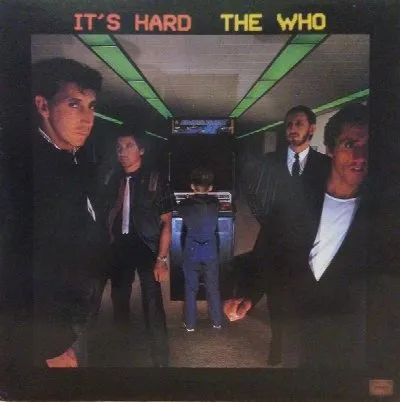
It's Hard
1982
Continues the polished sound and energy from Face Dances while exploring new themes.
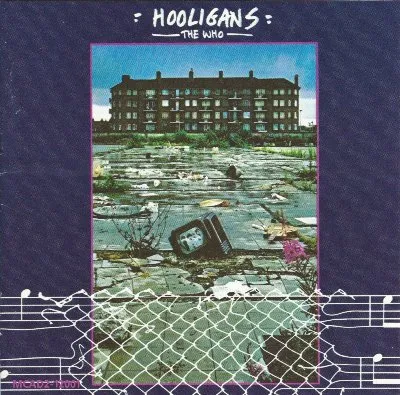
Hooligans
1981
Sets the stage with a similar vibe and energy as Face Dances.
If this landed
Records by other artists that run on the same instinct.
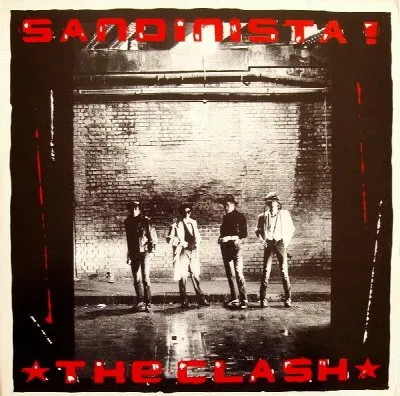
Sandinista!
The Clash
Shares a similar blend of punk energy and eclectic influences with polished production.
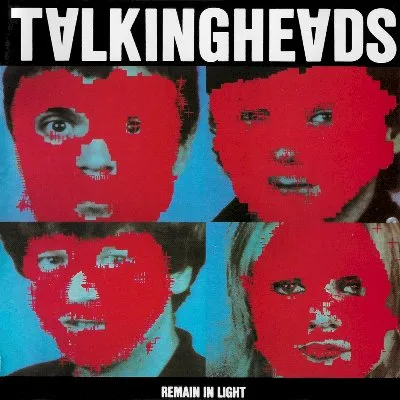
Remain in Light
Talking Heads
Both feature vibrant arrangements and a fusion of rock with new wave sensibilities.
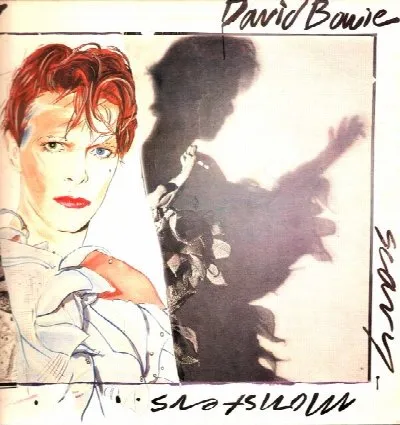
Scary Monsters (and Super Creeps)
David Bowie
Combines art rock elements with a fresh 80s sound and introspective themes.
Reference: Wikipedia · MusicBrainz · Wikidata
Sync your library
Everything you track here works immediately — no account needed. Create one when you want to sync across devices.