

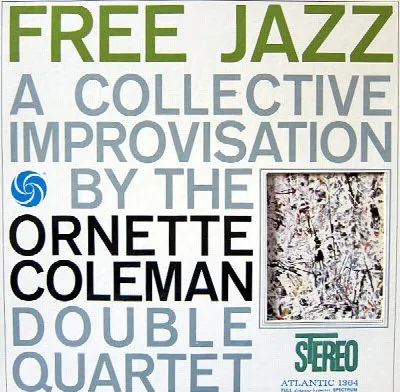
Free Jazz: A Collective Improvisation
Ornette Coleman · 1961
54 min · 2 tracks · jazz
A groundbreaking exploration of collective improvisation, where dissonance and melody intertwine in an avant-garde jazz tapestry.
Top tracks — play these first
-
→
Free Jazz — The title track exemplifies the album's ethos of collective improvisation, featuring two quartets playing simultaneously, creating a rich tapestry of sound that defies conventional structure.
-
→
First Take — This track showcases Coleman's unique approach to melody and rhythm, allowing each musician's voice to emerge distinctly amidst the collective sound.
Elevation
Our rating, out of 100 — and why.
AI-generated from five scored dimensions. An opinion, not a measurement.
InstrumentalThe album's innovative structure and collective improvisation set it apart as a defining work in free jazz.
What we noticed
- The album consists of two long tracks that feature simultaneous improvisation from multiple musicians, creating a dense and layered sound.
- Each track is structured around a loose framework, allowing for spontaneous interaction and exploration among the players.
- Dissonance is frequently employed alongside melodic elements, challenging traditional jazz conventions and inviting varied listener interpretations.
- Composition 25% of the score
-
8/10
- Craft 20% of the score
-
9/10
- Durability 25% of the score
-
9/10
- Distinctiveness 18% of the score
-
10/10
- Sequencing 12% of the score
-
7/10
the writing — melody, harmony, structure, lyrics
production, performance, arrangement
whether it rewards returning to it
whether it sounds like itself
running order, pacing, length
Defined its genre or moment. Reported but not counted — how far a record travelled describes its reception rather than the record, and a newer release has had less time to travel than an older one.
Where this album fits
- In the catalog
- Breakthrough — Defined the free jazz genre and established Coleman's reputation.
- Career context
- In 1961, Ornette Coleman was emerging as a pivotal figure in avant-garde jazz following his 1959 album 'The Shape of Jazz to Come.' 'Free Jazz: A Collective Improvisation' marked a significant evolution of his sound, further distancing himself from traditional jazz structures while introducing an innovative approach to ensemble playing.
- Stylistic neighbors
- Albert Ayler· John Coltrane· Cecil Taylor
Tracklist
Best experienced from track one — press play and let it unfold.
- 1 Free Jazz 37:08
- 2 First Take 17:03
Reference: Wikipedia · MusicBrainz · Wikidata
Sync your library
Everything you track here works immediately — no account needed. Create one when you want to sync across devices.