

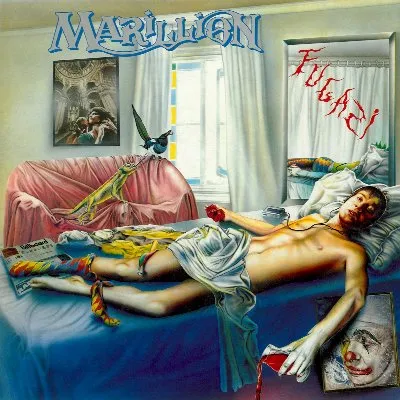
Fugazi
Marillion · 1984
45 min · 7 tracks · progressive rock
Fish’s theatrical voice moves through tense progressive rock that turns sudden rhythmic shifts into scenes of suspicion and unrest.
Top tracks — play these first
-
→
Assassing Start here — The opener moves from an ominous, Eastern-tinged introduction into a forceful attack, setting Fish’s theatrical delivery against the band’s sharp rhythmic turns.
-
→
Punch & Judy — The album’s shortest track compresses a deteriorating relationship into a clipped, bitter single, trading extended prog architecture for immediate rhythmic punch.
-
→
Jigsaw — Its shifting sections give a fractured relationship room to unfold, with Steve Rothery’s guitar adding a lyrical counterpoint to Fish’s elaborate imagery.
-
→
Fugazi — The closing title track expands personal unease into a broader vision of social disorder, building through changing textures toward a barrage of urgent questions.
Elevation
Our rating, out of 100 — and why.
AI-generated from five scored dimensions. An opinion, not a measurement.
Fugazi showcases intricate compositions and dynamic arrangements typical of neo-prog, solidifying Marillion's distinct sound in the genre.
What we noticed
- Several tracks incorporate extended instrumental sections that allow for improvisation and exploration of themes, particularly in 'Incubus' and 'Fugazi'.
- Composition 25% of the score
-
7/10
- Craft 20% of the score
-
8/10
- Durability 25% of the score
-
6/10
- Distinctiveness 18% of the score
-
8/10
- Sequencing 12% of the score
-
7/10
the writing — melody, harmony, structure, lyrics
production, performance, arrangement
whether it rewards returning to it
whether it sounds like itself
running order, pacing, length
Significant within its genre. Reported but not counted — how far a record travelled describes its reception rather than the record, and a newer release has had less time to travel than an older one.
Is this for you?
Good fit if you like
- long, immersive listening sessions
- dynamic emotional journeys
- layered, dense sonic textures
- gradual builds and payoffs
Where this album fits
- In the catalog
- Critical Peak — Solidified Marillion's position in the neo-prog scene with complex arrangements.
- Themes
- 1980s political tension· complex emotional landscapes
- Career context
- Fugazi was Marillion’s second studio album, following their 1983 debut Script for a Jester’s Tear. Its troubled production included drummer changes after Mick Pointer’s departure, with Ian Mosley joining the band during the sessions.
Tracklist
- 1 Assassing Start here 7:02
- 2 Punch & Judy 3:21
- 3 Jigsaw 6:49
- 4 Emerald Lies 5:08
- 5 She Chameleon 6:52
- 6 Incubus 8:30
- 7 Fugazi 8:12
What to play next
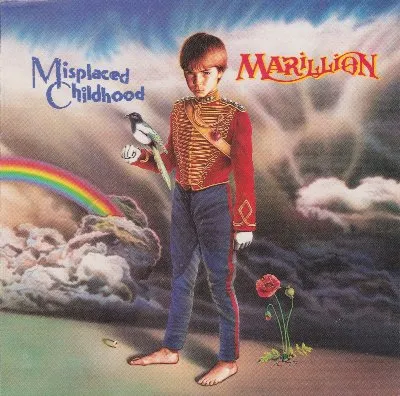
Misplaced Childhood
1985
Continues the intricate melodies and dynamic arrangements with a more accessible approach.
Script for a Jester's Tear
1983
Sets the stage with similar complex themes and progressive rock elements.
If this landed
Records by other artists that run on the same instinct.
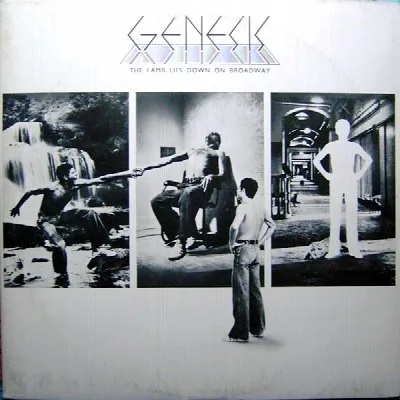
The Lamb Lies Down on Broadway
Genesis
Shares complex storytelling and emotive melodies within a progressive rock framework.
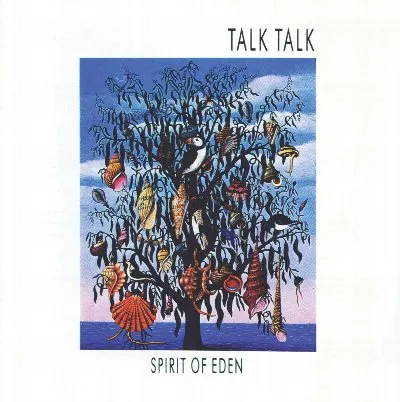
Spirit of Eden
Talk Talk
Explores atmospheric soundscapes and emotional depth, with intricate arrangements and lyrical introspection.
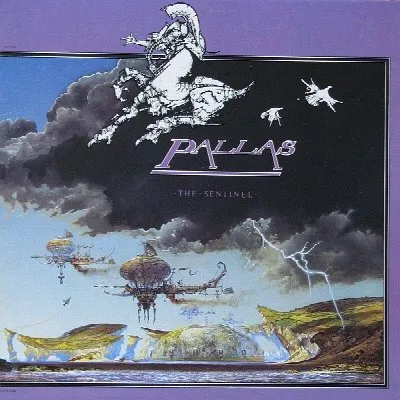
The Sentinel
Pallas
Combines intricate rhythms and thematic complexity, reflecting similar political and emotional concerns.
Reference: Wikipedia · MusicBrainz · Wikidata
Sync your library
Everything you track here works immediately — no account needed. Create one when you want to sync across devices.