

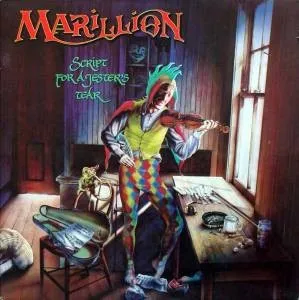
Script for a Jester's Tear
Marillion · 1983
46 min · 6 tracks · progressive rock
Emotional narratives intertwine with intricate melodies, creating a lush tapestry of sound that defines the neo-prog landscape.
Top tracks — play these first
-
→
Script for a Jester’s Tear Start here — This title track encapsulates the album's thematic depth and musical complexity, blending poetic lyrics with haunting melodies that signal Marillion's artistic vision.
-
→
Garden Party — As one of the most recognizable songs from the album, its commentary on societal expectations and personal desire resonates with listeners while showcasing catchy hooks.
-
→
Forgotten Sons — This track stands out for its poignant reflection on war and loss, using dynamic shifts to convey emotional intensity and social commentary.
Elevation
Our rating, out of 100 — and why.
AI-generated from five scored dimensions. An opinion, not a measurement.
The album combines intricate melodies and emotional narratives, establishing a strong identity within neo-prog.
What we noticed
- The opening track features a lengthy instrumental introduction that sets a dramatic tone before the vocals enter.
- Each song typically follows a verse-chorus structure but often includes extended instrumental sections that showcase complex arrangements.
- The album's final track, 'Forgotten Sons', incorporates a gradual build-up, culminating in a powerful climax that contrasts with the softer moments earlier in the record.
- Composition 25% of the score
-
7/10
- Craft 20% of the score
-
6/10
- Durability 25% of the score
-
8/10
- Distinctiveness 18% of the score
-
7/10
- Sequencing 12% of the score
-
6/10
the writing — melody, harmony, structure, lyrics
production, performance, arrangement
whether it rewards returning to it
whether it sounds like itself
running order, pacing, length
Significant within its genre. Reported but not counted — how far a record travelled describes its reception rather than the record, and a newer release has had less time to travel than an older one.
Is this for you?
Good fit if you like
- steady emotional narrative progression
- immersive storytelling through music
- reflective moments of introspection
- patient unfolding of musical themes
Maybe skip if you
- prefer short, standalone tracks
- want instant gratification music
Where this album fits
- In the catalog
- Breakthrough — This debut album established Marillion's presence in the neo-progressive rock scene.
- Themes
- theatrical despair· war's aftermath· music industry critique
- Moods
- Introspective· Melancholy
- Career context
- Released in March 1983, Script for a Jester's Tear was Marillion's debut album, marking their entrance into the progressive rock scene. At this point, the band was still establishing their identity following lineup changes and honing their sound after previous demos. This album set the stage for their rise as key figures in the neo-progressive movement.
- Stylistic neighbors
- Genesis· Yes· Porcupine Tree
Tracklist
- 1 Script for a Jester’s Tear Start here 8:39
- 2 He Knows You Know 5:22
- 3 The Web 8:48
- 4 Garden Party 7:15
- 5 Chelsea Monday 8:16
- 6 Forgotten Sons 8:21

If this landed
Records by other artists that run on the same instinct.

The Lamb Lies Down on Broadway
Genesis
Both explore theatrical narratives with intricate arrangements and emotionally charged storytelling.

Wish You Were Here
Pink Floyd
Shares a melancholic introspection and elaborate soundscapes, reflecting on personal and societal themes.

The Wake
IQ
Features complex compositions and lyrical depth, echoing the emotional and thematic richness of neo-prog.
Reference: Wikipedia · MusicBrainz · Wikidata
Sync your library
Everything you track here works immediately — no account needed. Create one when you want to sync across devices.