

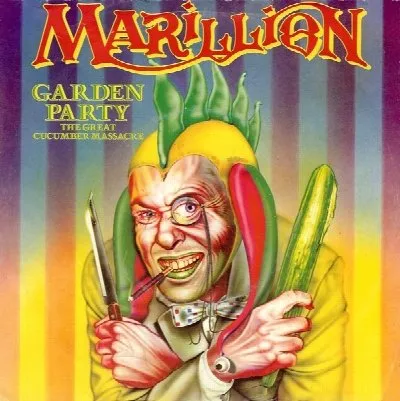
Garden Party
Marillion · 1983
26 min · 3 tracks · progressive rock
Fish’s theatrical satire rides bright keyboards and darting guitar before the single opens out into the untidier energy of a live finale.
Top tracks — play these first
-
→
Garden Party — Fish turns an upper-class gathering into a caricature, while the band gives his theatrical delivery a brisk, keyboard-led setting.
-
→
Charting the Single — This B-side aims its satire at the music business, making a pointed companion to the A-side’s portrait of social performance.
-
→
Margaret — The extended live track gives the band room to stretch beyond the single’s compact format and brings its early stage persona into the set.
Elevation
Our rating, out of 100 — and why.
AI-generated from five scored dimensions. An opinion, not a measurement.
The album combines intricate melodies with theatrical elements, establishing Marillion's distinct sound in progressive rock.
What we noticed
- The final track, 'Margaret', showcases a slower tempo and introspective lyrics, creating a contrast to the more energetic opener.
- Composition 25% of the score
-
7/10
- Craft 20% of the score
-
6/10
- Durability 25% of the score
-
5/10
- Distinctiveness 18% of the score
-
7/10
- Sequencing 12% of the score
-
6/10
the writing — melody, harmony, structure, lyrics
production, performance, arrangement
whether it rewards returning to it
whether it sounds like itself
running order, pacing, length
Known within its scene. Reported but not counted — how far a record travelled describes its reception rather than the record, and a newer release has had less time to travel than an older one.
Where this album fits
- In the catalog
- Breakthrough — Debut album that helped establish Marillion's presence in progressive rock.
- Themes
- theatrical storytelling· commercialism critique· 1980s music scene
- Career context
- Garden Party was released as a single in 1983, the year Marillion issued their debut album, Script for a Jester’s Tear. This three-track edition pairs the album’s society satire with a B-side and a lengthy live performance, documenting the band’s early mix of studio ambition and stage theatrics.
- Stylistic neighbors
- Genesis· Yes· Porcupine Tree
Moments worth listening for
Where the writing does something specific.
-
Garden Party
A sequence of first-person declarations ticks off the leisure activities of the party’s privileged guests.
The accumulating verbs make social status sound like a performance that must be continually advertised.
Tracklist
Best experienced from track one — press play and let it unfold.
- 1 Garden Party 7:15
- 2 Charting the Single 6:30
- 3 Margaret 12:17
What to play next
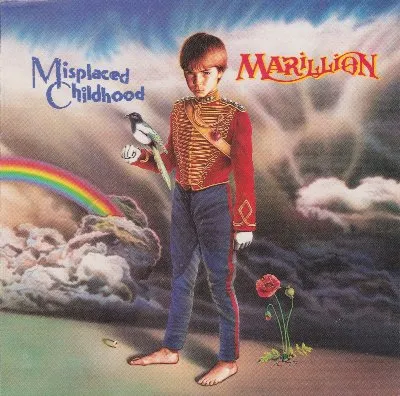
Misplaced Childhood
1985
It continues the theatrical storytelling and lush melodies found in Garden Party.
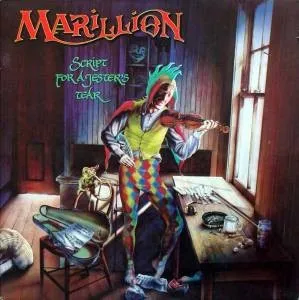
Script for a Jester's Tear
1983
It sets the stage with similar themes and progressive rock elements.
If this landed
Records by other artists that run on the same instinct.
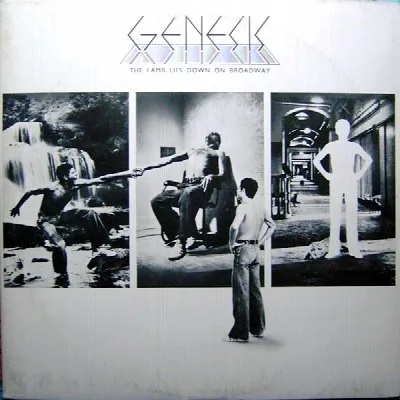
The Lamb Lies Down on Broadway
Genesis
Both feature epic storytelling and intricate arrangements with a theatrical flair.
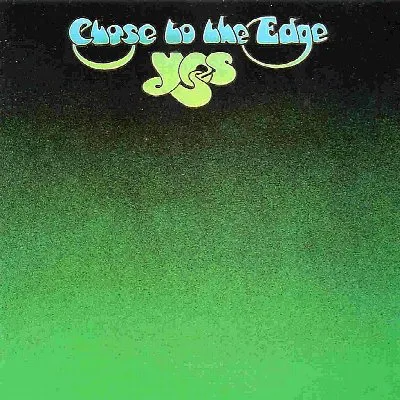
Close to the Edge
Yes
Shares complex song structures and a grandiose soundscape typical of progressive rock.
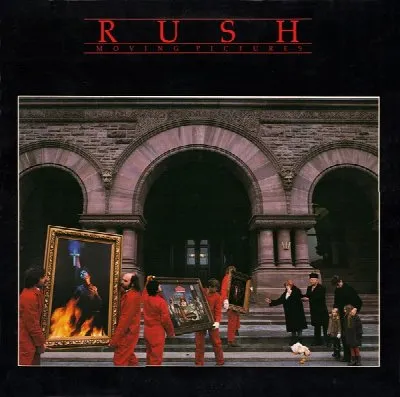
Moving Pictures
Rush
Combines narrative depth with sophisticated instrumentation, mirroring neo-prog's theatricality.
Reference: Wikipedia · MusicBrainz · Wikidata
Sync your library
Everything you track here works immediately — no account needed. Create one when you want to sync across devices.