


Misplaced Childhood
Marillion · 1985
41 min · 10 tracks · progressive rock
A sweeping narrative of yearning and nostalgia set against lush, intricate soundscapes that blend progressive rock with artful storytelling.
Top tracks — play these first
-
→
Kayleigh Start here — This track is emblematic of the album's themes of love and longing, combining emotional lyrics with an unforgettable melody that captured mainstream attention.
-
→
Lavender — Flowing seamlessly from 'Kayleigh', this song's whimsical tone and evocative imagery further illustrate the album's exploration of childhood memories and nostalgia.
-
→
Heart of Lothian — As one of the longer tracks on the album, it showcases Marillion's progressive rock roots through its complex structure and lyrical depth, highlighting personal and collective history.
-
→
Childhoods End? — This track serves as a reflective culmination of the album's narrative arc, pondering themes of growth and lost innocence with both poignancy and introspection.
Elevation
Our rating, out of 100 — and why.
AI-generated from five scored dimensions. An opinion, not a measurement.
The album's seamless flow and rich instrumentation create a compelling narrative that rewards repeated listening.
What we noticed
- The album is structured as a continuous suite, with tracks flowing seamlessly into one another, creating a cohesive narrative experience.
- Lush keyboard arrangements and intricate guitar solos dominate the sound, often layering multiple melodies simultaneously.
- Several tracks feature shifts in tempo and dynamics, moving from soft, introspective passages to more intense, climactic sections.
- Composition 25% of the score
-
8/10
- Craft 20% of the score
-
7/10
- Durability 25% of the score
-
8/10
- Distinctiveness 18% of the score
-
8/10
- Sequencing 12% of the score
-
9/10
the writing — melody, harmony, structure, lyrics
production, performance, arrangement
whether it rewards returning to it
whether it sounds like itself
running order, pacing, length
Significant within its genre. Reported but not counted — how far a record travelled describes its reception rather than the record, and a newer release has had less time to travel than an older one.
Is this for you?
Good fit if you like
- immersive storytelling experiences
- reflective and contemplative moods
- dynamic emotional journeys
- gradual builds and payoffs
Where this album fits
- In the catalog
- Breakthrough — Established Marillion's reputation in the neo-prog scene, achieving commercial success.
- Themes
- lost love nostalgia· childhood memories· Scottish landscapes
- Career context
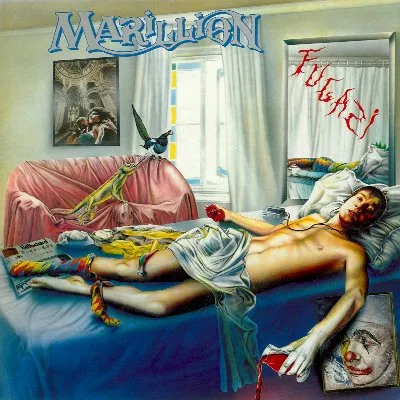
- Released on June 17, 1985, Misplaced Childhood marked Marillion's breakthrough album, solidifying their presence in the neo-prog scene. This was the band's third studio album and followed the commercial success of their previous record, Fugazi, which had elevated their profile significantly. The album's conceptual nature showcased a shift towards more personal and introspective lyrics, setting a new direction for their artistry.
- Stylistic neighbors
- Genesis· Yes· Porcupine Tree
Tracklist
- 1 Pseudo Silk Kimono 2:14
- 2 Kayleigh Start here 4:04
- 3 Lavender 2:27
- 4 Bitter Suite 5:54
- 5 Heart of Lothian 6:02
- 6 Waterhole (Expresso Bongo) 2:13
- 7 Lords of the Backstage 1:52
- 8 Blind Curve 9:28
- 9 Childhoods End? 4:35
- 10 White Feather 2:23

If this landed
Records by other artists that run on the same instinct.

The Lamb Lies Down on Broadway
Genesis
Shares complex narratives and lush instrumentation with surreal themes of identity and memory.

Wish You Were Here
Pink Floyd
Explores nostalgia and loss through atmospheric soundscapes and poignant lyrics, similar to Marillion's emotional depth.

The Sentinel
Pallas
Combines neo-prog arrangements with lyrical themes of introspection and landscape, paralleling Marillion's style.
Reference: Wikipedia · MusicBrainz · Wikidata
Sync your library
Everything you track here works immediately — no account needed. Create one when you want to sync across devices.