

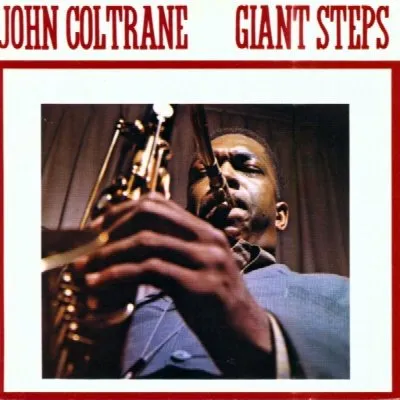
Giant Steps
John Coltrane · 1960
75 min · 15 tracks · jazz
A revolutionary blend of complex harmonies and improvisation that challenges the conventions of jazz.
Top tracks — play these first
-
→
Giant Steps Start here — This track showcases Coltrane's groundbreaking harmonic framework, pushing the boundaries of jazz structure while remaining intensely melodic and rhythmic.
-
→
Naima — An exquisite ballad named after his first wife, this piece highlights Coltrane's ability to convey deep emotion through intricate melodies and lush harmonics.
-
→
Countdown — This track features rapid chord changes that challenge both musicians and listeners, exemplifying Coltrane's innovative approach to improvisation and harmony.
Elevation
Our rating, out of 100 — and why.
AI-generated from five scored dimensions. An opinion, not a measurement.
InstrumentalGiant Steps is a landmark in jazz for its complex harmonies and improvisational depth, influencing generations of musicians.
What we noticed
- The title track features rapid chord changes that challenge traditional jazz forms, creating a sense of urgency and complexity.
- Each piece showcases extended improvisation, with musicians taking turns exploring themes rather than adhering strictly to a melody.
- The album's first six tracks are all original compositions, while the remaining tracks consist of alternate takes, emphasizing the creative process.
- Composition 25% of the score
-
9/10
- Craft 20% of the score
-
8/10
- Durability 25% of the score
-
9/10
- Distinctiveness 18% of the score
-
10/10
- Sequencing 12% of the score
-
6/10
the writing — melody, harmony, structure, lyrics
production, performance, arrangement
whether it rewards returning to it
whether it sounds like itself
running order, pacing, length
Defined its genre or moment. Reported but not counted — how far a record travelled describes its reception rather than the record, and a newer release has had less time to travel than an older one.
Is this for you?
Good fit if you like
- dynamic exploration of musical themes
- wave-like pacing that captivates
- immersive improvisational listening experience
- alternate takes for deeper understanding
Maybe skip if you
- seeking straightforward, catchy tunes
- prefer short, concise tracks
Where this album fits
- In the catalog
- Breakthrough — Established Coltrane's reputation with innovative harmonic structures in jazz.
- Themes
- avant-garde jazz exploration· lyrical saxophone mastery· revolutionary chord progressions
- Career context
- Released on February 1, 1960, 'Giant Steps' marked John Coltrane's third studio album as a bandleader following 'My Favorite Things.' This album came at a pivotal moment in his career when he began to solidify his unique sound and approach to jazz, moving towards more avant-garde expressions while still rooted in bebop traditions.
- Stylistic neighbors
- Pharoah Sanders· Ornette Coleman· Albert Ayler
Tracklist
- 1 Giant Steps Start here 4:49
- 2 Cousin Mary 5:52
- 3 Countdown 2:27
- 4 Spiral 6:05
- 5 Syeeda's Song Flute 7:07
- 6 Naima 4:27
- 7 Mr. P.C. 7:05
- 8 Giant Steps (alternate version 1) 3:46
- 9 Naima (alternate version 1) 4:34
- 10 Cousin Mary (alternate take) 5:52
- 11 Countdown (alternate take) 4:39
- 12 Syeeda's Song Flute (alternate take) 7:13
- 13 Giant Steps (alternate version 2) 3:33
- 14 Naima (alternate version 2) 3:29
- 15 Giant Steps (alternate take) 4:51


If this landed
Records by other artists that run on the same instinct.

The Shape of Jazz to Come
Ornette Coleman
Explores avant-garde improvisation and challenges traditional jazz forms with innovative harmonic structures.

Speak No Evil
Wayne Shorter
Features complex harmonies and a lyrical approach, blending modal jazz with sophisticated arrangements.

Maiden Voyage
Herbie Hancock
Shares a similar experimental spirit and rich harmonic language, pushing boundaries within the post-bop framework.
Reference: Wikipedia · MusicBrainz · Wikidata
Sync your library
Everything you track here works immediately — no account needed. Create one when you want to sync across devices.