

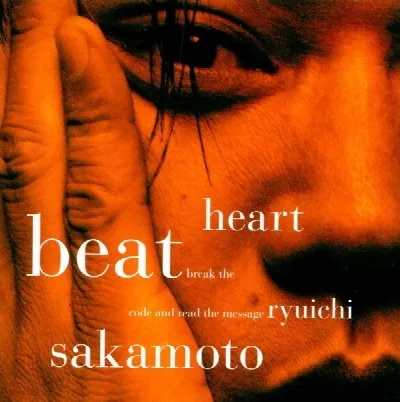
Heartbeat
Ryuichi Sakamoto · 1992
52 min · 12 tracks · electronic music
A fusion of ambient soundscapes and intricate melodies that explore the interplay between human emotion and technology.
Top tracks — play these first
-
→
Heartbeat Start here — The title track encapsulates the album's exploration of emotional depth, combining ethereal vocals with pulsating rhythms that evoke a sense of intimacy.
-
→
Rap the World — This track features an engaging dialogue between spoken word and musical composition, representing Sakamoto's commentary on global culture and communication.
-
→
Sayonara — With its haunting melodies and minimalist arrangement, this track serves as a poignant reflection on themes of departure and nostalgia, highlighting Sakamoto's lyrical sensitivity.
Elevation
Our rating, out of 100 — and why.
AI-generated from five scored dimensions. An opinion, not a measurement.
InstrumentalThe album blends electronic and acoustic elements effectively, creating a unique soundscape that rewards repeated listens.
What we noticed
- The album opens with a title track that features layered electronic textures and a prominent piano melody, setting an intimate tone.
- Several tracks utilize minimalistic arrangements, allowing space for ambient sounds to create a sense of vastness.
- The last three tracks gradually decrease in tempo and complexity, providing a reflective conclusion to the album.
- Composition 25% of the score
-
7/10
- Craft 20% of the score
-
8/10
- Durability 25% of the score
-
6/10
- Distinctiveness 18% of the score
-
8/10
- Sequencing 12% of the score
-
7/10
the writing — melody, harmony, structure, lyrics
production, performance, arrangement
whether it rewards returning to it
whether it sounds like itself
running order, pacing, length
Known within its scene. Reported but not counted — how far a record travelled describes its reception rather than the record, and a newer release has had less time to travel than an older one.
Is this for you?
Good fit if you like
- steady pacing for focused listening
- nostalgic melodies with reflective depth
- introspective soundscapes for solitude
- consistent flow through each track
Maybe skip if you
- prefer upbeat and fast tracks
- seek instant gratification in music
Where this album fits
- In the catalog
- Breakthrough — This album followed a critically acclaimed soundtrack, marking Sakamoto's wider recognition.
- Themes
- ambient soundscapes· global musical fusion· nostalgic innovation
- Career context
- Released in 1992, Heartbeat marked Ryuichi Sakamoto's evolution into more experimental territory following his acclaimed work on film scores like The Last Emperor. At this point, he was already a celebrated figure in electronic music and had begun to incorporate more diverse influences, reflecting his artistic growth after his 1989 album, Beauty.
- Stylistic neighbors
- Brian Eno· Alva Noto· Tangerine Dream
Moments worth listening for
Where the writing does something specific.
-
Sayonara
The arrangement shifts from sparse instrumentation to an orchestral swell, creating a climactic emotional release.
This transition amplifies the song’s themes of farewell, using dynamics to reflect the weight of loss and longing.
Tracklist
- 1 Heartbeat Start here 4:46
- 2 Rap the World 4:53
- 3 Triste 4:23
- 4 Lulu 4:19
- 5 High Tide 4:47
- 6 Song Lines 2:56
- 7 Nuages 2:14
- 8 Sayonara 5:24
- 9 Borom Gal 3:59
- 10 Epilogue 3:42
- 11 Heartbeat (Tainai Kaiki II-Returning to the Womb) 5:20
- 12 Cloud #9 5:17
What to play next

Hard Revenge
1994
Continues the electronic exploration with a more intense energy and dynamic soundscapes.
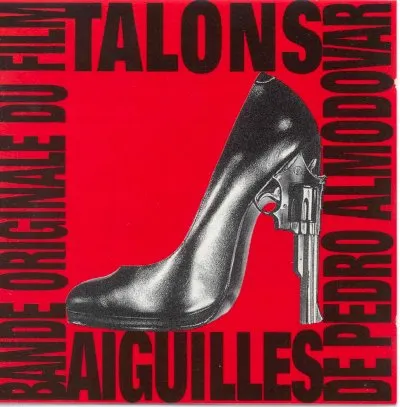
Tacones lejanos – Banda sonora original del film de Pedro Almodovar
1991
Sets the stage with rich emotional textures leading into Heartbeat's intimate feel.
If this landed
Records by other artists that run on the same instinct.
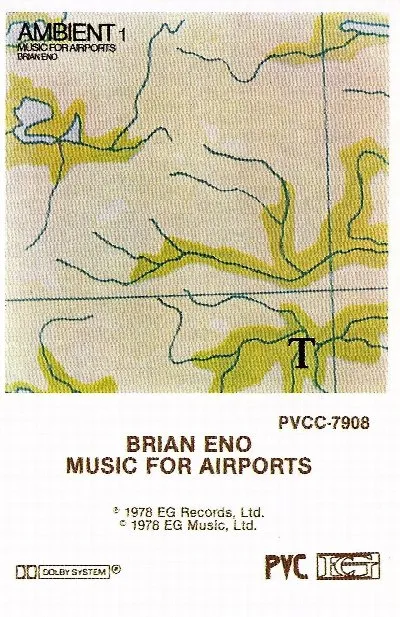
Ambient 1: Music for Airports
Brian Eno
Shares a focus on ambient soundscapes and evocative, serene textures.
Selected Ambient Works 85–92
Aphex Twin
Combines introspective melodies with innovative electronic production techniques.
Silk Road
Kitarō
Explores global musical fusion with lush synth landscapes and nostalgic themes.
Reference: Wikipedia · MusicBrainz · Wikidata
Sync your library
Everything you track here works immediately — no account needed. Create one when you want to sync across devices.