

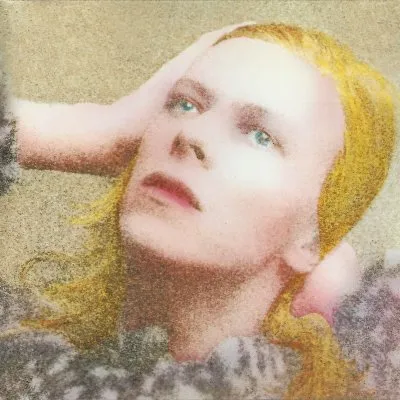
Hunky Dory
David Bowie · 1971
57 min · 15 tracks · alternative rock
Piano-led art pop drifts from domestic tenderness to cosmic unease, with Bowie’s voice shifting shape at every turn.
Top tracks — play these first
-
→
Changes Start here — A stuttering vocal hook turns a song about reinvention into an inviting pop opener, while Rick Wakeman’s piano gives its restless movement a light touch.
-
→
Life on Mars? — Wakeman’s piano and Mick Ronson’s swelling string arrangement frame Bowie’s leap from an alienated cinema-goer to a surreal vision of popular culture.
-
→
Quicksand — Acoustic guitars carry a dense tangle of spiritual and political references, with Bowie’s voice lending the song’s uncertainty a dramatic intimacy.
-
→
Queen Bitch — Ronson’s sharp guitar chords drive a brisk tribute to the Velvet Underground, offering a streetwise counterpoint to the album’s more elaborate piano arrangements.
-
→
The Bewlay Brothers — The original album’s closing song pairs elusive family imagery with an increasingly eerie acoustic arrangement and distorted voices.
Elevation
Our rating, out of 100 — and why.
AI-generated from five scored dimensions. An opinion, not a measurement.
Bowie's 'Hunky Dory' combines strong songwriting with exceptional production, making it a standout in early 70s rock.
What we noticed
- The album opens with a strong, anthemic track 'Changes' that sets a reflective tone, followed by a series of diverse arrangements that blend rock and pop.
- Several tracks feature intricate piano melodies, particularly 'Life on Mars?', which showcases a dramatic vocal delivery paired with lush instrumentation.
- The sequencing includes both upbeat songs and more introspective pieces, creating a dynamic flow that shifts between energy levels throughout.
- Composition 25% of the score
-
8/10
- Craft 20% of the score
-
9/10
- Durability 25% of the score
-
9/10
- Distinctiveness 18% of the score
-
8/10
- Sequencing 12% of the score
-
8/10
the writing — melody, harmony, structure, lyrics
production, performance, arrangement
whether it rewards returning to it
whether it sounds like itself
running order, pacing, length
Significant within its genre. Reported but not counted — how far a record travelled describes its reception rather than the record, and a newer release has had less time to travel than an older one.
Is this for you?
Good fit if you like
- kaleidoscopic emotional exploration
- thought-provoking lyrical reflections
- playful yet introspective vibes
- dynamic shifts in pacing
Maybe skip if you
- prefer straightforward song structures
- seek instant gratification tracks
Where this album fits
- In the catalog
- Breakthrough — Marked Bowie's transition to mainstream success and wider recognition.
- Themes
- Ziggy Stardust persona· surreal suburban life· early 70s experimentation
- Career context
- Released in December 1971, Hunky Dory was Bowie’s fourth studio album and his first for RCA Records. It followed the harder-rocking The Man Who Sold the World and preceded The Rise and Fall of Ziggy Stardust and the Spiders from Mars, which brought him wider fame in 1972.
- Stylistic neighbors
- Brian Eno· Roxy Music· Talking Heads
Tracklist
- 1 Changes Start here 3:37
- 2 Oh! You Pretty Things 3:12
- 3 Eight Line Poem 2:55
- 4 Life on Mars? 3:54
- 5 Kooks 2:53
- 6 Quicksand 5:08
- 7 Fill Your Heart 3:07
- 8 Andy Warhol 3:56
- 9 Song for Bob Dylan 4:12
- 10 Queen Bitch 3:18
- 11 The Bewlay Brothers 5:27
- 12 Bombers 2:41
- 13 The Supermen (alternate version) 2:43
- 14 Quicksand (demo version) 4:46
- 15 The Bewlay Brothers (alternate mix) 5:20
What to play next
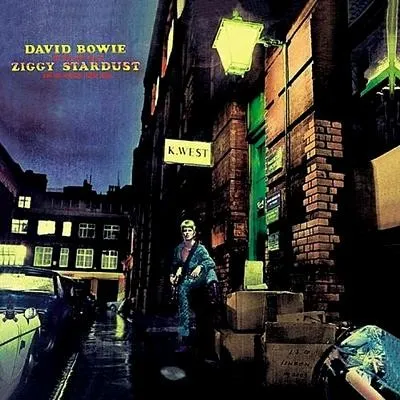
The Rise and Fall of Ziggy Stardust and the Spiders from Mars
1972
It continues the eclectic art rock style with a strong narrative focus, expanding on themes from Hunky Dory.

The Man Who Sold the World
1970
If this landed
Records by other artists that run on the same instinct.
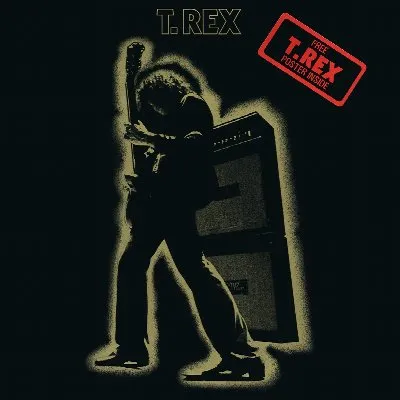
Electric Warrior
T. Rex
Shares glam rock flair and theatricality, blending pop hooks with a touch of surrealism.
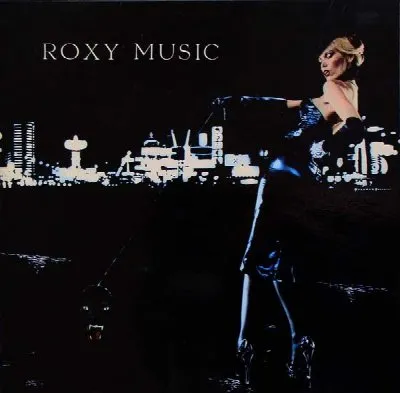
For Your Pleasure
Roxy Music
Explores avant-garde pop with lush arrangements and a similar sense of artistic experimentation.
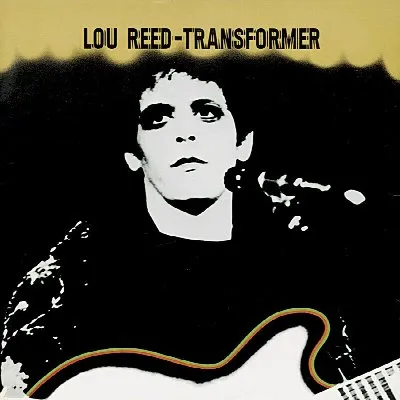
Transformer
Lou Reed
Captures urban surrealism and character-driven storytelling, paralleling Bowie's narrative style.
Reference: Wikipedia · MusicBrainz · Wikidata
Sync your library
Everything you track here works immediately — no account needed. Create one when you want to sync across devices.