

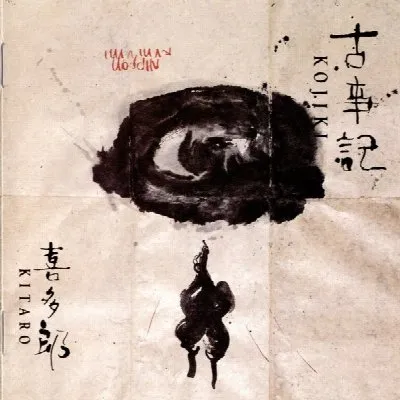
Kojiki
Kitarō · 1990
46 min · 7 tracks · electronica
Synthesizers swell into mythic drama as percussion gives Kitarō’s electronic landscapes a ceremonial pulse.
Top tracks — play these first
-
→
Hajimari Start here — The opening piece sets the record’s creation-story scale, introducing its electronic atmosphere before the longer dramatic movements unfold.
-
→
Orochi — Named for the serpent of Japanese mythology, it brings a more ominous dramatic tension to the album’s mythological arc.
-
→
Matsuri — Its festival setting and insistent rhythmic drive provide a striking contrast to the record’s more contemplative passages.
-
→
Reimei — The extended closing piece gives the album room to settle into a sense of dawn after its preceding conflicts and celebrations.
Elevation
Our rating, out of 100 — and why.
AI-generated from five scored dimensions. An opinion, not a measurement.
InstrumentalKojiki blends electronic textures with traditional melodies, creating an immersive and cohesive listening experience.
What we noticed
- The album features a consistent use of synthesizers layered with traditional Japanese instruments, creating a rich textural landscape.
- Each track flows seamlessly into the next, often using nature sounds as transitions, which enhances the immersive experience.
- Melodic themes are introduced in the first half and revisited in varied forms throughout the latter tracks, establishing a cohesive narrative.
- Composition 25% of the score
-
7/10
- Craft 20% of the score
-
8/10
- Durability 25% of the score
-
8/10
- Distinctiveness 18% of the score
-
7/10
- Sequencing 12% of the score
-
9/10
the writing — melody, harmony, structure, lyrics
production, performance, arrangement
whether it rewards returning to it
whether it sounds like itself
running order, pacing, length
Significant within its genre. Reported but not counted — how far a record travelled describes its reception rather than the record, and a newer release has had less time to travel than an older one.
Is this for you?
Good fit if you like
- serene soundscapes for relaxation
- wave-like pacing encourages reflection
- nature-inspired immersion in sound
- gradual builds create anticipation
Maybe skip if you
- seeks fast-paced excitement
- prefers short, standalone tracks
Where this album fits
- In the catalog
- Breakthrough — Elevated Kitarō's profile globally, following Grammy win and critical acclaim.
- Themes
- Japanese festival spirit· nature's serene beauty· ancient traditions meets electronics
- Career context
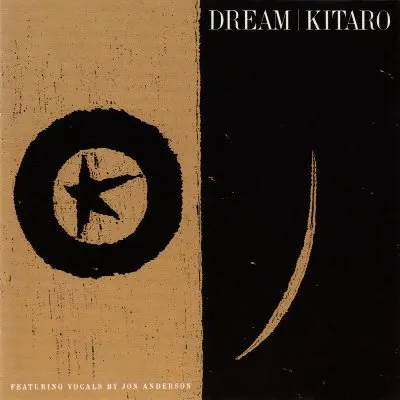
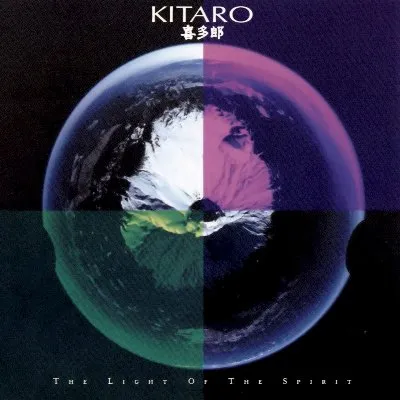
- Released in 1990, Kojiki followed Kitarō’s Grammy-nominated 1987 album The Light of the Spirit. By then, the Japanese composer had built an international audience for instrumental music that blended electronic textures with traditional influences.
- Stylistic neighbors
- Vangelis· Enya· Jean-Michel Jarre
Tracklist
- 1 Hajimari Start here 3:34
- 2 Sozo 5:34
- 3 Koi 6:29
- 4 Orochi 7:08
- 5 Nageki 5:46
- 6 Matsuri 8:59
- 7 Reimei 8:36
If this landed
Records by other artists that run on the same instinct.
Beauty
Ryuichi Sakamoto
Pairs electronic production with Japanese and other Asian instruments, balancing traditional textures with contemporary arrangements.
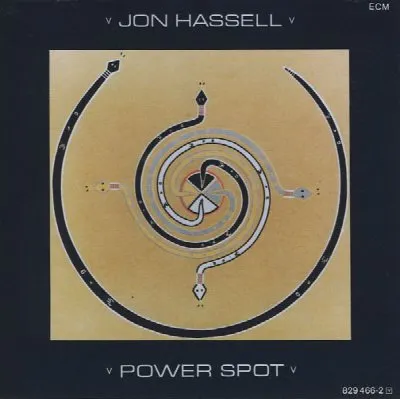
Power Spot
Jon Hassell
Blends spacious electronics with world-music timbres for a similarly meditative meeting of ancient-sounding and modern textures.
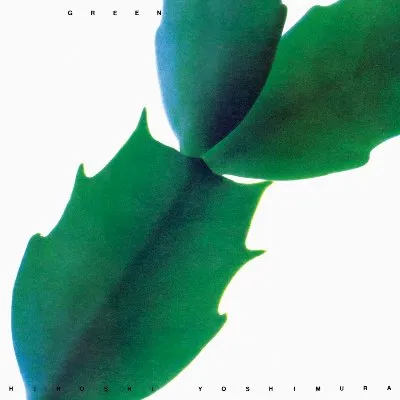
Green
Hiroshi Yoshimura
Shares a serene, nature-oriented atmosphere, using soft synth patterns to create spacious environmental listening.
Reference: Wikipedia · MusicBrainz · Wikidata
Sync your library
Everything you track here works immediately — no account needed. Create one when you want to sync across devices.