

Where to Start with Kitarō
Begin with cinematic synth textures and patient, instrumental storytelling.
Kitarō has carved out a significant space in the world of ambient music, acting as a bridge between traditional Eastern sounds and Western electronic experimentation.
Kitarō makes instrumental music that favors atmosphere and gradual development over songs built around vocals. Start with Kojiki for a vivid, cinematic introduction, then follow the path toward his more spacious or electronically focused albums depending on what draws you in.
What they sound like
Expect synthesizers, recurring melodies, and textures that build patiently rather than resolve like conventional pop songs. Kitarō’s sound often blends electronic atmosphere with Eastern-influenced colors.
You'll like this if
You’ll connect with this if you enjoy instrumental music that creates a sense of place and gives melodies room to unfold. It suits focused listening as well as quiet background play.
Start here
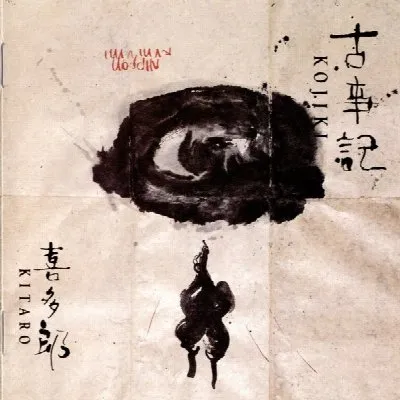
Kojiki
1990
Best starting point
This track features captivating hooks and introduces listeners to Kitarō's unique blend of ambient and new age elements, making it a strong standalone piece.
Is this for you?
Good fit if you like
- serene soundscapes for relaxation
- wave-like pacing encourages reflection
- nature-inspired immersion in sound
- gradual builds create anticipation
Maybe skip if you
- seeks fast-paced excitement
- prefers short, standalone tracks
Songs to start with
If you'd rather pick a song than an album.
-
1
"Jesu Joy of Man's Desiring" — from Peace on Earth (1996)
establishes the sonic palette early
-
2
"Yamadashi: Tanne / Prayer" — from Gaia-Onbashira (1998)
establishes the sonic palette early
-
3
"Mandala" — from Mandala (1994)
accessible entry with immediate hook
-
4
"Symphony of the Forest" — from Dream (1992)
establishes the sonic palette early
-
5
"Mysterious Encounter" — from The Light of the Spirit (1987)
establishes the sonic palette early
-
6
"Gentle Forest" — from Spiritual Garden (2006)
accessible entry with immediate hook
Listening paths
Pick a path through Kitarō's catalog.
Explore Kitarō's foundational works and signature sound.

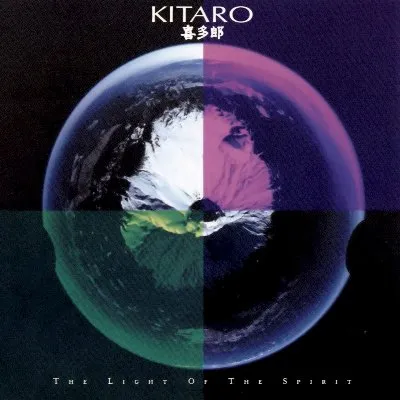
A smooth introduction to Kitarō’s captivating music.
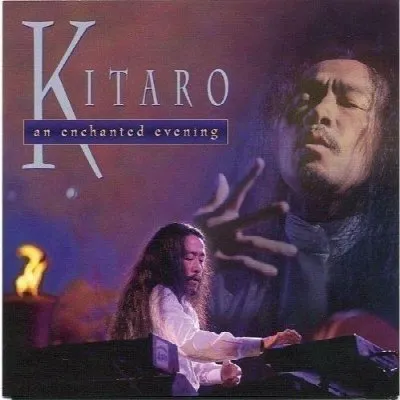
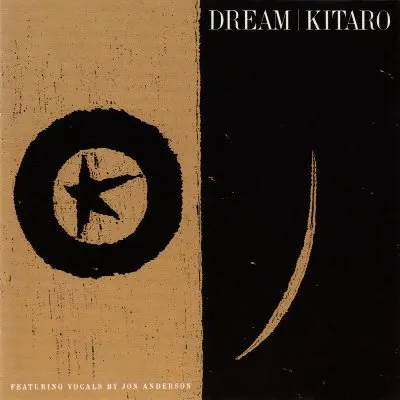
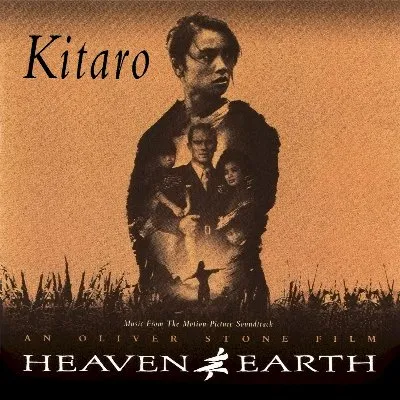
Dive deep into Kitarō's innovative and diverse catalog.
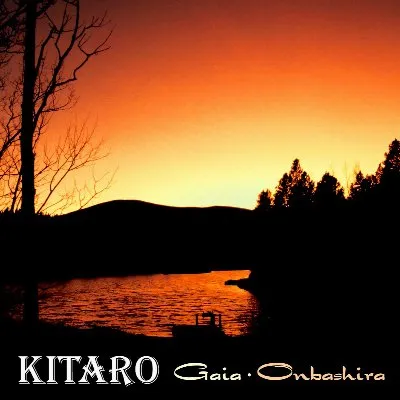
Go deeper
Common questions
Where should I start with Kitarō?
Start with Kojiki (1990). Kojiki is a strong first choice because it pairs recognizable melodic ideas with expansive electronic arrangements. The album’s cinematic pacing introduces Kitarō’s atmosphere-first style while still giving a newcomer musical landmarks to follow.
What does Kitarō sound like?
Expect synthesizers, recurring melodies, and textures that build patiently rather than resolve like conventional pop songs. Kitarō’s sound often blends electronic atmosphere with Eastern-influenced colors. Rooted in classical and country.
Who is Kitarō for?
You’ll connect with this if you enjoy instrumental music that creates a sense of place and gives melodies room to unfold. It suits focused listening as well as quiet background play.
How many albums does Kitarō have?
Kitarō has 42 releases in their discography, including 35 albums and 2 EPs.