

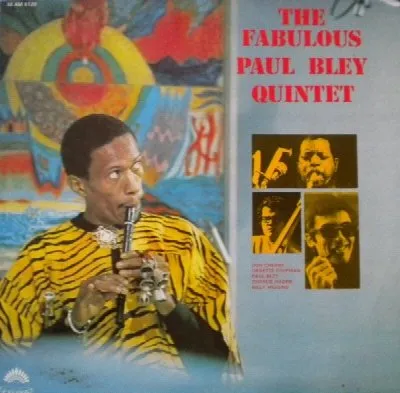
Live at the Hilcrest Club 1958
32 min · 4 tracks · jazz
Bebop themes open into searching ensemble improvisation as Paul Bley’s piano meets the restless phrasing of Ornette Coleman and Don Cherry.
Top tracks — play these first
-
→
Klactoveedsestene — The Charlie Parker composition gives the band a bebop starting point, making the players’ departures from familiar phrasing especially revealing.
-
→
The Blessing — Coleman’s composition places his distinctive melodic language at the center of the set, with Bley responding from the piano rather than merely supplying harmonic background.
-
→
Free — This shorter performance is a useful entry point into the group’s conversational improvising, where the horn lines and rhythm section keep the music in motion.
Elevation
Our rating, out of 100 — and why.
AI-generated from five scored dimensions. An opinion, not a measurement.
InstrumentalThe album captures Bley's innovative improvisation style in a cohesive live setting, reflecting the energy of late '50s jazz.
What we noticed
- Bley's piano work is characterized by rapid shifts in dynamics and tempo, creating a sense of spontaneity throughout the performance.
- Each track transitions seamlessly into the next, maintaining an uninterrupted flow that enhances the live atmosphere.
- Composition 25% of the score
-
7/10
- Craft 20% of the score
-
8/10
- Durability 25% of the score
-
6/10
- Distinctiveness 18% of the score
-
7/10
- Sequencing 12% of the score
-
8/10
the writing — melody, harmony, structure, lyrics
production, performance, arrangement
whether it rewards returning to it
whether it sounds like itself
running order, pacing, length
Known within its scene. Reported but not counted — how far a record travelled describes its reception rather than the record, and a newer release has had less time to travel than an older one.
Where this album fits
- In the catalog
- Breakthrough — Showcases Bley's innovative improvisation, marking his rise in the avant-garde jazz scene.
- Themes
- avant-garde jazz· 1950s club scene· improvisational mastery
- Career context
- Recorded in 1958, this set finds Canadian pianist Paul Bley leading a Los Angeles club band before his better-known 1960s work as a leader in free jazz. The group included Ornette Coleman and Don Cherry, shortly before their recordings helped bring Coleman’s approach to a wider audience.
- Stylistic neighbors
- Bill Evans· Keith Jarrett· Chick Corea
Tracklist
Best experienced from track one — press play and let it unfold.
- 1 Klactoveedsestene 11:45
- 2 I Remember Harlem 4:50
- 3 The Blessing 10:30
- 4 Free 5:30
What to play next

Coleman Classics Volume 1
Continues the improvisational spirit with a focus on collective jazz exploration.
Solemn Meditation
1958
Sets the stage for intimate, reflective performances that lead into the current live album.
If this landed
Records by other artists that run on the same instinct.
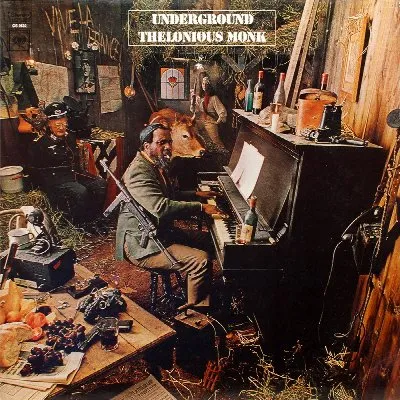
Underground
Thelonious Monk
Shares a similar avant-garde approach with intricate improvisation and a vibrant live energy.
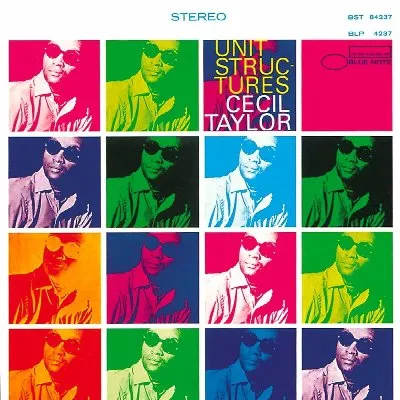
Unit Structures
Cecil Taylor
Explores complex, free-form improvisation in a way that resonates with Bley's innovative spirit.
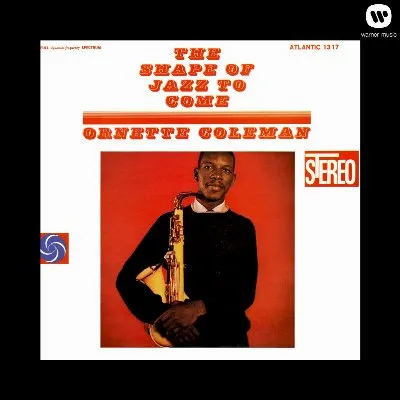
The Shape of Jazz to Come
Ornette Coleman
Both push boundaries of jazz with an emphasis on freedom and collective improvisation.
Reference: Wikipedia · MusicBrainz · Wikidata
Sync your library
Everything you track here works immediately — no account needed. Create one when you want to sync across devices.