

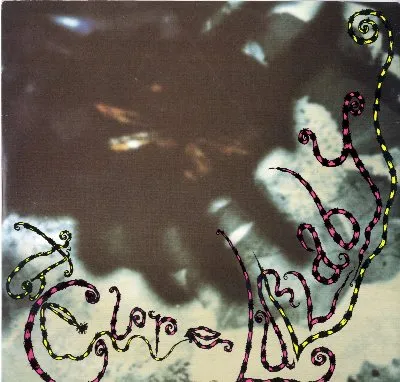
Lullaby
The Cure · 1989
19 min · 4 tracks · alternative rock
Whispered dread curls around plucked strings and a stalking rhythm, turning a bedtime story into a waking nightmare.
Top tracks — play these first
-
→
Lullaby (remix) — Smith’s hushed delivery makes the approaching spider figure feel uncomfortably close, while the clipped rhythm and curling strings give the nightmare a precise pop shape.
-
→
Babble — This B-side offers a more agitated contrast to the title track’s stealth, with a restless performance that shows another side of the Disintegration-era sessions.
-
→
Out of Mind — A second non-album B-side extends the single beyond its centerpiece, giving listeners another glimpse of the material The Cure recorded around Disintegration.
-
→
Lullaby (extended remix) — The longer mix gives the song’s creeping arrangement more room to unfold, drawing attention to the tension between its danceable pulse and Smith’s whispered vocal.
Elevation
Our rating, out of 100 — and why.
AI-generated from five scored dimensions. An opinion, not a measurement.
The record showcases strong atmospheric writing and production, though its cohesion is affected by the mix of remixes and original tracks.
What we noticed
- The title track features a prominent, repetitive bassline that drives the song while layered synths create a dense atmospheric backdrop.
- The remix of 'Lullaby' emphasizes rhythmic elements, adding a danceable quality that contrasts with the original's haunting tone.
- Composition 25% of the score
-
7/10
- Craft 20% of the score
-
8/10
- Durability 25% of the score
-
6/10
- Distinctiveness 18% of the score
-
7/10
- Sequencing 12% of the score
-
5/10
the writing — melody, harmony, structure, lyrics
production, performance, arrangement
whether it rewards returning to it
whether it sounds like itself
running order, pacing, length
Significant within its genre. Reported but not counted — how far a record travelled describes its reception rather than the record, and a newer release has had less time to travel than an older one.
Where this album fits
- In the catalog
- Breakthrough — 'Lullaby' solidified The Cure's influence in alternative music and gained significant chart success.
- Themes
- hypnotic nightmares· gothic atmospheres· dark pop elegance
- Career context
- Released in April 1989, Lullaby was the lead single from The Cure’s eighth studio album, Disintegration. It arrived after the band’s 1987 double album Kiss Me, Kiss Me, Kiss Me had expanded their international audience, bringing Robert Smith’s darker writing back to the foreground.
- Stylistic neighbors
- Siouxsie and the Banshees· Echo & the Bunnymen· The Chameleons
Tracklist
Best experienced from track one — press play and let it unfold.
- 1 Lullaby (remix) 4:10
- 2 Babble 4:23
- 3 Out of Mind 3:53
- 4 Lullaby (extended remix) 7:29
What to play next
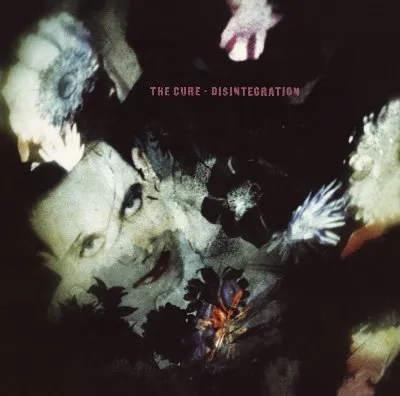
Disintegration
1989
Continues the atmospheric themes with deeper emotional layers and expansive soundscapes.
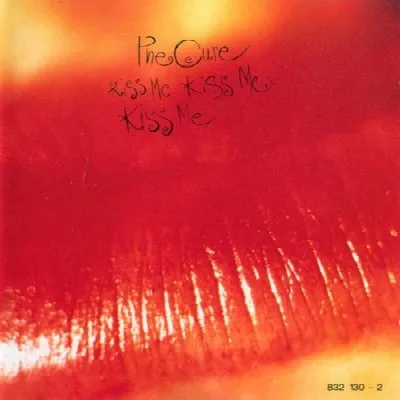
Kiss Me, Kiss Me, Kiss Me
1987
Sets the stage with a mix of energy and experimentation leading into the darker tones of Lullaby.
If this landed
Records by other artists that run on the same instinct.
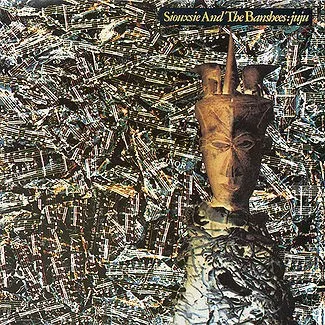
Juju
Siouxsie and the Banshees
Shares a similar gothic atmosphere and hypnotic rhythms, blending post-punk with dark pop elegance.
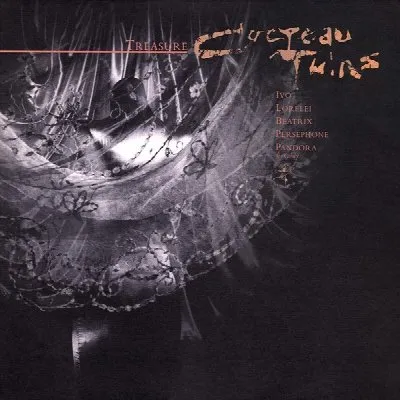
Treasure
Cocteau Twins
Explores ethereal soundscapes and haunting melodies that resonate with Lullaby's dreamlike quality.
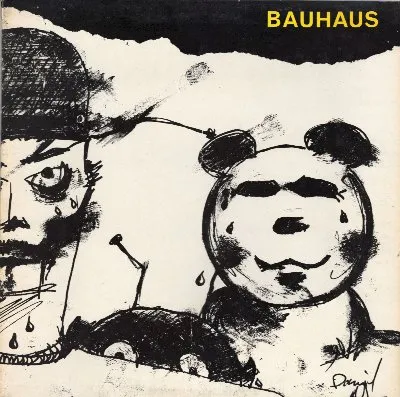
Mask
Bauhaus
Captures a dark, atmospheric essence with hypnotic rhythms that align well with The Cure's gothic pop.
Reference: Wikipedia · MusicBrainz · Wikidata
Sync your library
Everything you track here works immediately — no account needed. Create one when you want to sync across devices.