

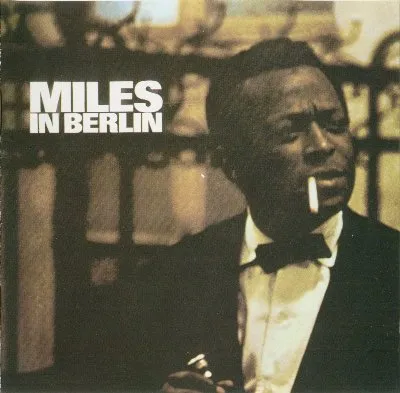
Miles in Berlin
Miles Davis · 1965
57 min · 6 tracks · jazz
A vibrant live performance blending modal jazz with intricate improvisations, capturing the essence of Davis's innovative spirit.
Top tracks — play these first
-
→
Milestones Start here — This track opens the album with a powerful statement, showcasing Davis's signature trumpet style and the band's tight interplay. It sets the tone for the rest of the performance with its innovative structure and rhythmic complexity.
-
→
Autumn Leaves — The rendition of this classic highlights the emotive depth of Davis's playing, weaving through intricate melodies and harmonies that bring a fresh perspective to a well-known standard. The extended improvisation allows each band member to shine, demonstrating their unique contributions.
-
→
So What — As one of Davis's most recognized compositions, this version emphasizes the hypnotic groove and modal framework that defines much of his work. The interplay between instruments creates an engaging dialogue that exemplifies the essence of jazz improvisation.
Elevation
Our rating, out of 100 — and why.
AI-generated from five scored dimensions. An opinion, not a measurement.
InstrumentalThe album showcases strong improvisation within familiar structures, balancing innovation with recognizable melodies.
What we noticed
- The album features extended improvisations, with each track allowing for significant solo exploration, particularly from Davis's trumpet.
- The final track includes an announcement and a theme that shifts the mood from the previous pieces, creating a distinct closing moment.
- Composition 25% of the score
-
7/10
- Craft 20% of the score
-
8/10
- Durability 25% of the score
-
8/10
- Distinctiveness 18% of the score
-
7/10
- Sequencing 12% of the score
-
6/10
the writing — melody, harmony, structure, lyrics
production, performance, arrangement
whether it rewards returning to it
whether it sounds like itself
running order, pacing, length
Significant within its genre. Reported but not counted — how far a record travelled describes its reception rather than the record, and a newer release has had less time to travel than an older one.
Is this for you?
Good fit if you like
- evocative melodies for deep reflection
- haunting improvisations that linger
- captivating live atmosphere experience
- extended tracks for patient listening
Maybe skip if you
- seeking fast-paced gratification
- prefer short, standalone tracks
Where this album fits
- In the catalog
- Experimental — Captures a transitional phase towards electric jazz, showcasing improvisational brilliance.
- Themes
- Berlin jazz scene· live improvisation· modal exploration
- Career context
- Released in 1965, Miles in Berlin was recorded during a period of significant creative output for Miles Davis, shortly after the groundbreaking album 'Kind of Blue' in 1959. This live album showcases Davis's continued evolution as a musician, reflecting his exploration of modal jazz and the dynamic interplay between his band members.
- Stylistic neighbors
- John Coltrane· Herbie Hancock· Wayne Shorter
Tracklist
- 1 Milestones Start here 8:58
- 2 Autumn Leaves 12:38
- 3 So What 10:27
- 4 Stella by Starlight 12:53
- 5 Walkin' 10:39
- 6 Go-Go (Theme and Announcement) 1:45

If this landed
Records by other artists that run on the same instinct.

A Love Supreme
John Coltrane
Shares deep modal exploration and spiritual intensity, blending improvisation with rich emotional landscapes.

Speak Like a Child
Herbie Hancock
Features intricate arrangements and a lush sound palette, emphasizing melodic interplay and live spontaneity.

Return to Forever
Chick Corea
Explores similar jazz fusion territory with innovative compositions and a focus on rhythmic complexity and improvisation.
Reference: Wikipedia · MusicBrainz · Wikidata
Sync your library
Everything you track here works immediately — no account needed. Create one when you want to sync across devices.