

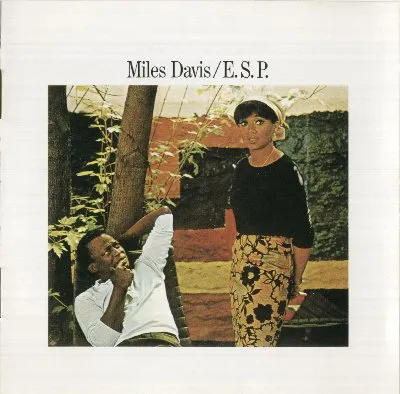
E.S.P.
Miles Davis · 1965
48 min · 7 tracks · jazz
A seamless blend of intricate melodies and rhythmic complexity, showcasing the electric evolution of jazz in the mid-1960s.
Top tracks — play these first
-
→
E.S.P. Start here — The title track exemplifies the album's innovative spirit, featuring complex harmonies and a compelling dialogue between instruments that showcases Davis's evolving style.
-
→
Eighty-One — With its intricate rhythms and melodic exploration, this track highlights the collaborative interplay among band members, showcasing their individual voices within a unified sound.
-
→
Agitation — This piece captures the essence of tension and release, reflecting the dynamic shifts that define the album while allowing each musician to shine through improvisation.
Elevation
Our rating, out of 100 — and why.
AI-generated from five scored dimensions. An opinion, not a measurement.
InstrumentalE.S.P. exemplifies innovative modal jazz with intricate compositions and strong performances, marking a significant moment in Davis's career.
What we noticed
- The opening track features a complex interplay of instruments, with the piano and horns weaving in and out of each other's lines.
- Each piece maintains a modal structure, allowing for extended improvisation that showcases the musicians' technical abilities.
- The album's tracks vary in tempo and mood, with 'Agitation' introducing a more frenetic pace compared to the introspective feel of 'Little One'.
- Composition 25% of the score
-
8/10
- Craft 20% of the score
-
9/10
- Durability 25% of the score
-
8/10
- Distinctiveness 18% of the score
-
8/10
- Sequencing 12% of the score
-
7/10
the writing — melody, harmony, structure, lyrics
production, performance, arrangement
whether it rewards returning to it
whether it sounds like itself
running order, pacing, length
Significant within its genre. Reported but not counted — how far a record travelled describes its reception rather than the record, and a newer release has had less time to travel than an older one.
Is this for you?
Good fit if you like
- steady progression with peaks
- introspective moments of reflection
- vibrant exploration of sound
- rich textures for deep listening
Maybe skip if you
- seeking fast-paced excitement
- prefer short, standalone tracks
Where this album fits
- In the catalog
- Breakthrough — Marked the start of Miles's second great quintet and renewed interest in modal jazz.
- Themes
- modal jazz exploration· intricate musical interplay· 1960s creative renaissance
- Moods
- Introspective· Energetic
- Career context
- Released in November 1965, E.S.P. is Miles Davis's first album after his historic quintet period and marked a pivotal shift toward jazz fusion. At the time, Davis was exploring new sonic territories with a group that included notable talents like Wayne Shorter and Herbie Hancock, setting the stage for future innovations in jazz.
- Stylistic neighbors
- John Coltrane· Herbie Hancock· Wayne Shorter
Tracklist
- 1 E.S.P. Start here 5:32
- 2 Eighty-One 6:16
- 3 Little One 7:24
- 4 R.J. 3:59
- 5 Agitation 7:48
- 6 Iris 8:33
- 7 Mood 8:49

If this landed
Records by other artists that run on the same instinct.

Maiden Voyage
Herbie Hancock
Shares the same modal jazz exploration with rich harmonic textures and intricate improvisation.

Speak No Evil
Wayne Shorter
Features complex rhythms and introspective melodies, embodying the 1960s creative jazz renaissance.

Return to Forever
Chick Corea
Combines vibrant fusion elements with intricate musical interplay, echoing the exploratory spirit of E.S.P.
Reference: Wikipedia · MusicBrainz · Wikidata
Sync your library
Everything you track here works immediately — no account needed. Create one when you want to sync across devices.