


Miles Smiles
Miles Davis · 1967
41 min · 6 tracks · jazz
Rhythms tilt and pivot beneath spare horn lines as the quintet makes familiar jazz forms feel thrillingly unstable.
Top tracks — play these first
-
→
Orbits Start here — Wayne Shorter’s compact theme launches the album into restless motion, with Tony Williams’s drumming continually redirecting the soloists rather than simply keeping time.
-
→
Circle — The ballad gives the quintet room to work with silence and suspended harmony, making its careful pacing a striking contrast to the surrounding turbulence.
-
→
Footprints — Shorter’s composition becomes a flexible vehicle for the rhythm section: Ron Carter’s recurring bass figure anchors a performance whose pulse seems to shift beneath the soloists.
-
→
Freedom Jazz Dance — Eddie Harris’s jagged theme gives the horns a tightly articulated opening before the quintet loosens its grip on the melody and sends the improvisation in unexpected directions.
Elevation
Our rating, out of 100 — and why.
AI-generated from five scored dimensions. An opinion, not a measurement.
InstrumentalMiles Smiles showcases complex improvisation and modal jazz, solidifying its place in the genre's evolution.
What we noticed
- The album features extended improvisations, with each track often exceeding six minutes, allowing for deep exploration of themes.
- Tracks frequently shift between collective ensemble playing and individual solos, creating a dynamic interplay among musicians.
- Modal structures dominate the compositions, with less reliance on traditional chord progressions, encouraging spontaneous creativity.
- Composition 25% of the score
-
8/10
- Craft 20% of the score
-
9/10
- Durability 25% of the score
-
8/10
- Distinctiveness 18% of the score
-
8/10
- Sequencing 12% of the score
-
7/10
the writing — melody, harmony, structure, lyrics
production, performance, arrangement
whether it rewards returning to it
whether it sounds like itself
running order, pacing, length
Significant within its genre. Reported but not counted — how far a record travelled describes its reception rather than the record, and a newer release has had less time to travel than an older one.
Is this for you?
Good fit if you like
- steady progression through improvisation
- thoughtful exploration of soundscapes
- ideal for focused listening sessions
- intricate interplay of musicianship
Maybe skip if you
- prefer straightforward, catchy tunes
- seek fast-paced, energetic music
Where this album fits
- In the catalog
- Experimental — Represents a shift toward more avant-garde jazz, pushing boundaries of the genre.
- Themes
- avant-garde improvisation· modal exploration· 1960s jazz innovation
- Career context
- Released in 1967, Miles Smiles was the second studio album by Davis’s second great quintet, following E.S.P. Wayne Shorter, Herbie Hancock, Ron Carter and Tony Williams had become a remarkably responsive unit, stretching the conventions of small-group jazz without abandoning composed themes.
- Stylistic neighbors
- John Coltrane· Herbie Hancock· Wayne Shorter
Tracklist
- 1 Orbits Start here 4:38
- 2 Circle 5:54
- 3 Footprints 9:48
- 4 Dolores 6:23
- 5 Freedom Jazz Dance 7:12
- 6 Ginger Bread Boy 7:48
What to play next
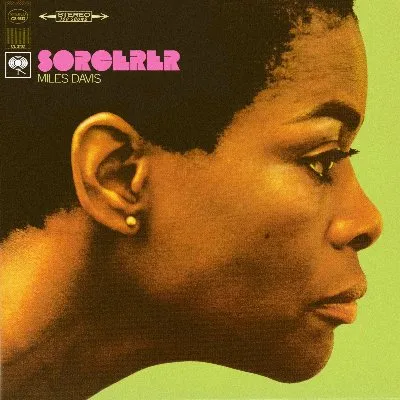
Sorcerer
1967
Continues the avant-garde exploration and modal complexity of 'Miles Smiles'.
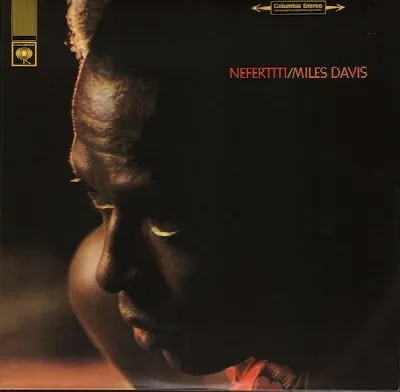
Nefertiti
1967
Sets up the thematic and sonic landscape that 'Miles Smiles' builds upon.
If this landed
Records by other artists that run on the same instinct.
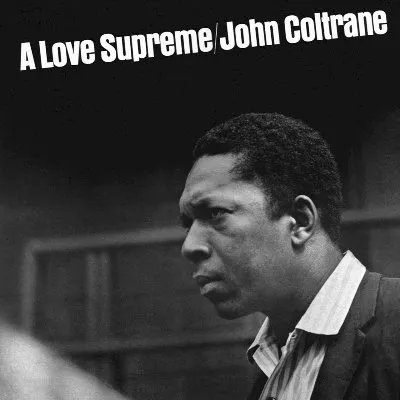
A Love Supreme
John Coltrane
Explores modal structures and spiritual themes with intense improvisation, similar to Davis's avant-garde approach.
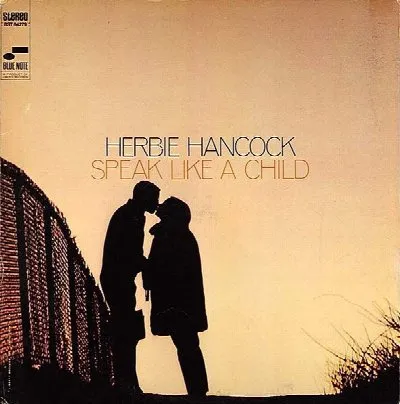
Speak Like a Child
Herbie Hancock
Features complex arrangements and modal exploration, blending jazz innovation with a unique sonic palette.
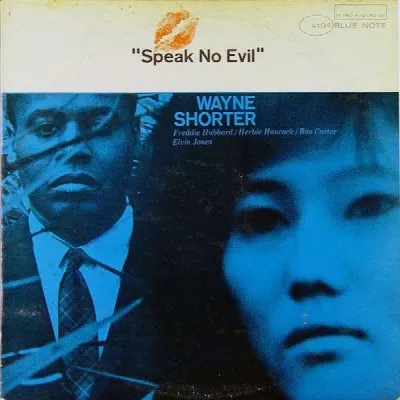
Speak No Evil
Wayne Shorter
Shares the same experimental spirit and intricate compositions, pushing the boundaries of jazz in the '60s.
Reference: Wikipedia · MusicBrainz · Wikidata
Sync your library
Everything you track here works immediately — no account needed. Create one when you want to sync across devices.