


Mind Games
John Lennon · 1973
40 min · 12 tracks · hard rock
Soft-focus guitars and layered keyboards surround a voice that moves from intimate apology to full-throated protest.
Top tracks — play these first
-
→
Mind Games Start here — A gently swelling arrangement gives the peace message an incantatory quality, with the repeated refrain balancing idealism against a wistful melody.
-
→
Aisumasen (I’m Sorry) — A vulnerable apology unfolds slowly over keyboards and guitar, culminating in a long solo that gives the song room to dwell on regret.
-
→
Bring On the Lucie (Freda Peeple) — Slide guitar and a buoyant groove frame a direct challenge to political leaders, carrying protest into a more relaxed musical setting than the preceding album’s agitprop.
-
→
Meat City — The closing rocker breaks the album’s softer spell with a snarling vocal, distorted guitar and a backwards-recorded message.
Elevation
Our rating, out of 100 — and why.
AI-generated from five scored dimensions. An opinion, not a measurement.
Mind Games showcases introspective songwriting with varied structures but lacks strong cohesion throughout.
What we noticed
- The album opens with a title track that features layered harmonies and a steady mid-tempo beat, establishing a reflective mood.
- Several tracks incorporate unconventional structures, such as 'Nutopian International Anthem,' which is more of an ambient soundscape than a traditional song.
- The lyrics often blend personal introspection with broader philosophical themes, particularly evident in tracks like 'Out the Blue' and 'You Are Here.'
- The final track, 'Meat City,' shifts to a more aggressive rock sound, providing a contrast to the preceding introspective pieces.
- Composition 25% of the score
-
6/10
- Craft 20% of the score
-
7/10
- Durability 25% of the score
-
6/10
- Distinctiveness 18% of the score
-
6/10
- Sequencing 12% of the score
-
5/10
the writing — melody, harmony, structure, lyrics
production, performance, arrangement
whether it rewards returning to it
whether it sounds like itself
running order, pacing, length
Known within its scene. Reported but not counted — how far a record travelled describes its reception rather than the record, and a newer release has had less time to travel than an older one.
Is this for you?
Good fit if you like
- steady pacing for reflective moments
- introspective themes for quiet times
- gradual resolution encourages deep thought
- soft melodies for peaceful listening
- thoughtful exploration of spirituality
Maybe skip if you
- seeking high-energy tracks
- prefer immediate gratification
Where this album fits
- In the catalog
- Experimental — Marks a departure in sound and themes, exploring spirituality and introspection.
- Themes
- social justice anthems· personal reflection· spiritual exploration
- Career context
- Released in 1973, Mind Games followed the overtly political Some Time in New York City. It was John Lennon’s first self-produced solo album, recorded as his separation from Yoko Ono was beginning.
- Stylistic neighbors
- David Bowie· Paul McCartney· George Harrison
Tracklist
- 1 Mind Games Start here 4:14
- 2 Tight A$ 3:37
- 3 Aisumasen (I’m Sorry) 4:44
- 4 One Day (at a Time) 3:09
- 5 Bring On the Lucie (Freda Peeple) 4:14
- 6 Nutopian International Anthem 0:04
- 7 Intuition 3:09
- 8 Out the Blue 3:22
- 9 Only People 3:22
- 10 I Know (I Know) 3:50
- 11 You Are Here 4:09
- 12 Meat City 2:49

If this landed
Records by other artists that run on the same instinct.

Diamond Dogs
David Bowie
Shares a similar blend of introspective lyrics and experimental rock with a focus on personal and societal themes.
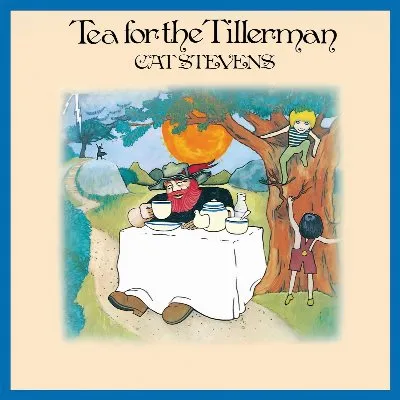
Tea for the Tillerman
Cat Stevens
Equally contemplative, with soft melodies and spiritual exploration reflecting personal journeys.
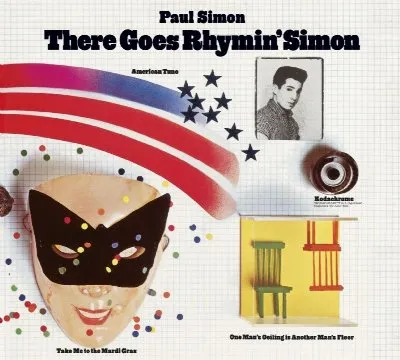
There Goes Rhymin' Simon
Paul Simon
Combines reflective songwriting with soulful melodies, echoing themes of social justice and self-discovery.
Reference: Wikipedia · MusicBrainz · Wikidata
Sync your library
Everything you track here works immediately — no account needed. Create one when you want to sync across devices.